What Should Buyers Know About Pasadena’s Historic Districts?
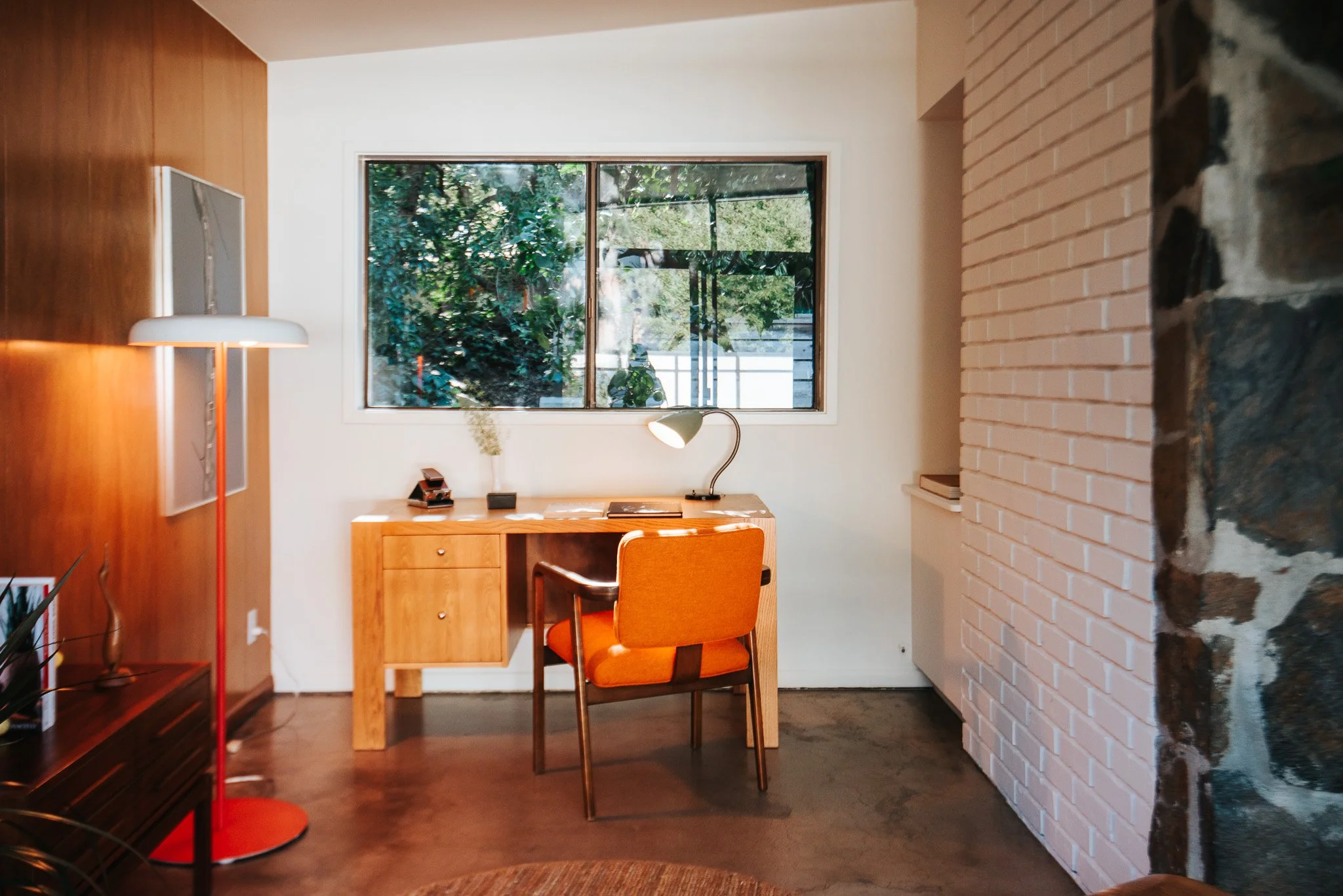
Listed by Tracy Do and Elias Tebache of Coldwell Banker
What should buyers know about Pasadena’s historic districts before buying a home?
Answer:
Buyers considering Pasadena’s historic districts should understand preservation rules, renovation restrictions, maintenance expectations, and potential benefits like architectural charm and long-term value. Historic homes attract passionate buyers, but they require thoughtful ownership. May Kunka helps buyers evaluate historic properties so they can purchase with clarity and confidence.
Pasadena Is One of California’s Most Architecturally Significant Cities
Pasadena is famous for its historic neighborhoods, beautifully preserved homes, and strong sense of place. Buyers are often drawn to the character, craftsmanship, and community pride found in historic districts.
But historic homes aren’t the same as newer construction. Understanding what comes with historic designation is essential before making an offer.
This guide explains what buyers should know — honestly and clearly.
1. What Is a Historic District in Pasadena?
A historic district is a designated area recognized for its architectural or cultural significance. Homes within these districts are often protected by local preservation guidelines.
Common Pasadena historic districts include:
Bungalow Heaven
Madison Heights (select properties)
Historic Highlands
Garfield Heights
Orange Grove Boulevard
Other Landmark or National Register districts
Each district may have different rules depending on designation type.
2. Why Buyers Love Historic Pasadena Homes
Buyers are drawn to historic homes because of:
Unique architecture and craftsmanship
Original woodwork, built-ins, and period details
Tree-lined streets and cohesive neighborhood design
Strong community identity
Long-term desirability and value stability
These homes often feel irreplaceable — because they are.
3. Historic Designation Does NOT Mean You Can’t Renovate
One of the biggest misconceptions buyers have is that historic homes can’t be updated.
In reality:
Interior renovations are usually unrestricted
Exterior changes may require approval depending on scope
Repairs and maintenance are encouraged
Restoration is often supported by the city
You can modernize kitchens, bathrooms, systems, and layout — you just need to approach exterior changes thoughtfully.
4. What Renovation Restrictions Buyers Should Understand
Depending on the property’s designation, you may need approval for:
Exterior paint colors
Window replacements
Roof materials
Additions or expansions
Structural exterior changes
Demolition
These guidelines protect the neighborhood’s character, which is one reason values remain strong.
May Kunka helps buyers understand what is allowed before making an offer — not after closing.
5. Maintenance Expectations Are Higher — but Predictable
Historic homes often require:
Ongoing maintenance
Period-appropriate repairs
Specialized contractors
More frequent inspections
However, many owners view this as part of the pride of ownership rather than a burden.
With proper care, historic homes often age better than poorly built newer construction.
6. Inspections Are Especially Important
Because many historic homes are older, inspections are critical.
Common inspection areas include:
Plumbing and electrical systems
Foundation and seismic considerations
Roof condition
Termite or pest history
Sewer laterals
HVAC upgrades
Inspection findings are common — what matters is understanding what’s typical vs. expensive.
May helps buyers interpret inspections so nothing feels alarming or unclear.
7. Potential Financial Benefits: Mills Act Contracts
Some historic homes qualify for Mills Act property tax reductions.
Benefits can include:
Property tax savings of 40–60%
Long-term financial incentives
Increased affordability for long-term owners
Not all homes qualify, and Mills Act contracts are regulated — but when available, they can significantly improve affordability.
Buyers should never assume eligibility without verification.
8. Historic Districts Often Offer Strong Resale Value
Historic neighborhoods tend to:
Have limited inventory
Attract passionate buyer pools
Maintain architectural consistency
Resist overdevelopment
This stability helps support long-term home values, even during market shifts.
Buyers who appreciate character often stay longer — reducing turnover and preserving demand.
9. Historic Homes Attract a Specific Buyer Type
If you’re buying in a historic district, you’re joining a community of buyers who value:
Preservation
Authenticity
Design integrity
Neighborhood pride
That means when you eventually sell, you’re likely appealing to a motivated and informed buyer audience.
Pasadena Market Insight
In 2025:
Historic homes remain highly competitive when priced correctly
Buyers prioritize well-maintained historic properties over poorly renovated ones
Preserved homes often outperform remodeled homes that lose character
Buyers are willing to pay premiums for authenticity and neighborhood identity
Historic districts continue to be some of Pasadena’s most resilient markets.
How May Kunka Helps Buyers Navigate Historic Homes
May supports buyers by:
Explaining historic designations clearly
Identifying renovation limitations early
Evaluating long-term costs and value
Connecting buyers with preservation-experienced inspectors
Advising on Mills Act eligibility
Helping buyers compete effectively in historic neighborhoods
Historic homes require expertise — May brings it.
Final Thoughts: Historic Pasadena Homes Are a Lifestyle Choice
Buying in a historic district is about more than a house — it’s about preserving beauty, craftsmanship, and community.
With the right expectations and expert guidance from May Kunka, buyers can enjoy the benefits of historic homeownership while avoiding surprises.
Thinking About Buying in a Pasadena Historic District?
Contact May Kunka for a historic-home consultation and neighborhood-specific buying strategy.