How Do You Evaluate a Home’s Condition Before Making an Offer in Pasadena?
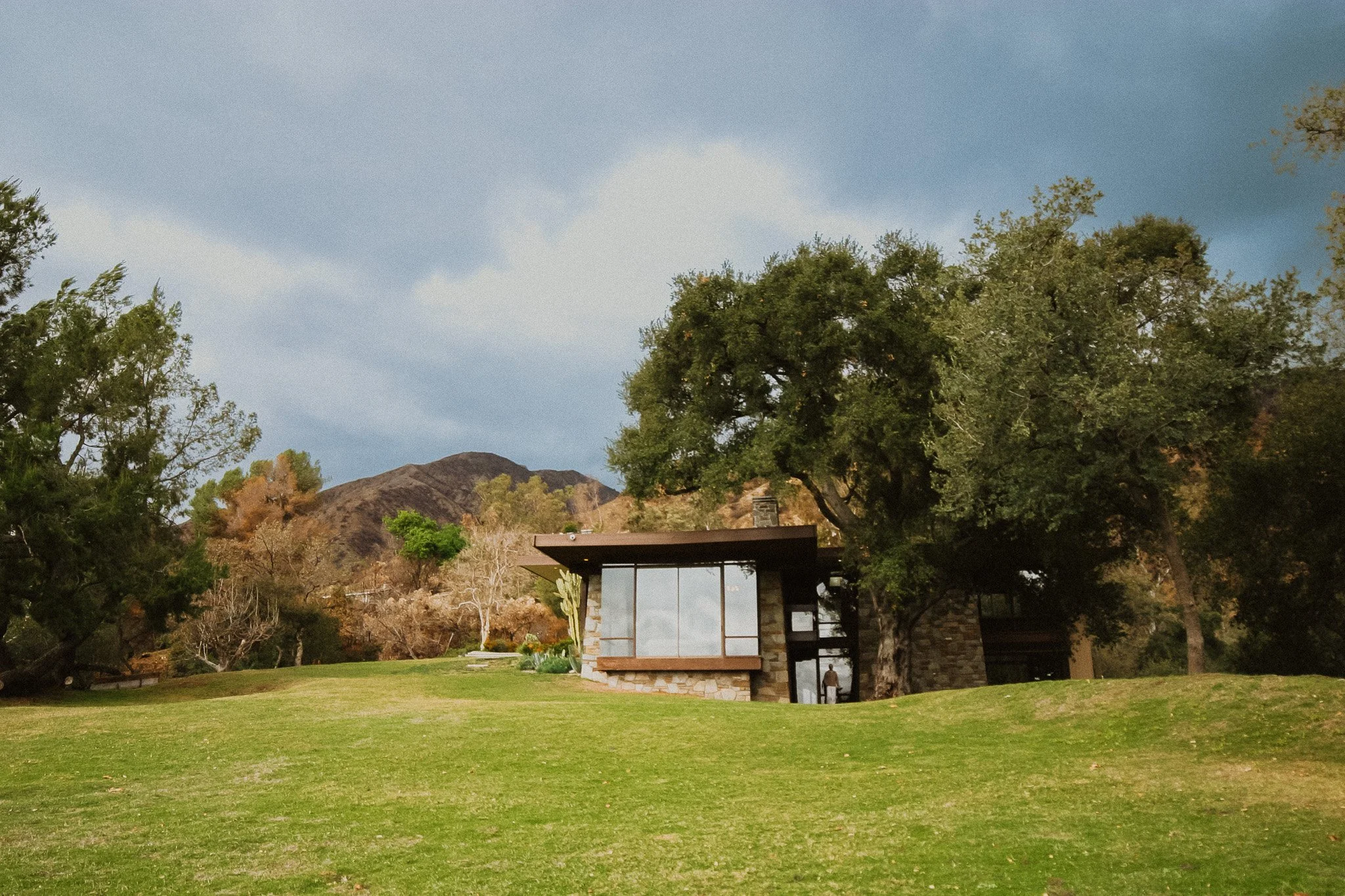
Listed by Ashleigh Rader of Compass
How do you evaluate a home’s condition before making an offer in Pasadena?
Answer:
To evaluate a home’s condition in Pasadena, buyers should look beyond cosmetic updates and focus on major systems, structural integrity, and long-term maintenance needs. Many Pasadena homes are older, so understanding what’s typical versus what’s costly is critical. May Kunka helps buyers assess condition realistically so they can make confident, well-informed offers.
Why Condition Matters More in Pasadena Than Many Markets
Pasadena’s housing stock is full of charm—but also age. Craftsman, Spanish, Mid-Century, and traditional homes often come with decades of wear, partial upgrades, and unique construction methods.
Evaluating condition properly helps buyers:
Avoid unexpected repair costs
Decide how competitive to be with price
Understand future maintenance needs
Negotiate strategically
Choose the right home, not just a pretty one
This guide shows you how to evaluate condition before you commit.
1. Separate Cosmetic Updates From Structural Health
Fresh paint and new light fixtures can make a home look turnkey—but they don’t tell the whole story.
Cosmetic items include:
Paint
Flooring
Cabinet hardware
Lighting
Landscaping
Structural and system items include:
Foundation
Roof
Plumbing
Electrical
HVAC
Sewer line
Cosmetics are easier and cheaper to change. Systems and structure matter far more in Pasadena.
2. Evaluate the Age and Condition of Major Systems
Before making an offer, buyers should ask (or investigate):
How old is the roof?
Has the plumbing been updated?
Is the electrical system modernized?
How old is the HVAC system?
Has the sewer line been replaced or scoped?
In Pasadena, many homes have some updated systems and some original ones. Knowing which is which helps you assess future costs.
3. Watch for Foundation and Structural Clues
You’re not expected to diagnose structural issues—but you should notice red flags.
Look for:
Sloping or uneven floors
Cracks in walls or ceilings
Doors or windows that stick
Visible foundation cracks
Signs of past repairs
These don’t always mean serious issues, but they warrant closer inspection.
May helps buyers understand which signs are common—and which deserve concern.
4. Pay Attention to Water and Drainage
Water issues are one of the most expensive surprises buyers face.
Watch for:
Stains on ceilings or walls
Musty smells
Poor exterior drainage
Yard slopes toward the home
Signs of past leaks
Pasadena’s older homes often need drainage or waterproofing improvements over time.
5. Evaluate Windows, Insulation, and Energy Efficiency
Older Pasadena homes often have:
Single-pane windows
Limited insulation
Older doors
This doesn’t make them bad homes—but it does affect:
Energy bills
Comfort
Noise levels
Some buyers prioritize charm over efficiency, while others budget for upgrades later.
6. Understand What’s “Normal” for Older Pasadena Homes
Buyers often panic over inspection-style concerns before inspections even happen.
Common and normal Pasadena findings include:
Termite history
Minor foundation notes
Older sewer lines
Partial electrical updates
Aging but functional systems
What matters is severity, not perfection.
7. Ask the Right Questions Before Writing an Offer
Before submitting an offer, May helps buyers clarify:
What systems are original vs. updated
What improvements the seller has made
Whether disclosures mention known issues
How the home compares to others in the area
This prevents surprises later—and helps guide offer terms.
8. Don’t Assume “Flipped” Means Better Condition
Some Pasadena flips look beautiful but hide problems.
Buyers should be cautious of:
Cosmetic upgrades without permits
Cheap materials
Poor workmanship
Ignored system upgrades
A well-done renovation improves both appearance and infrastructure. A bad one only improves photos.
9. Factor Condition Into Offer Strategy
Condition directly affects:
How competitive you should be
Whether to expect multiple offers
How much negotiation room exists
Whether credits or repairs may be reasonable
A home needing work may offer opportunity—but only if priced accordingly.
10. Use Inspections Strategically After Offer Acceptance
Evaluating condition before an offer helps you:
Avoid homes outside your comfort level
Write realistic offers
Reduce renegotiation stress
Focus inspections on confirmation—not surprises
Once under contract, inspections provide detail—not discovery.
Pasadena Market Insight
In 2025:
Buyers are more cautious about condition than during peak frenzy years
Homes with updated systems command premiums
Buyers are less tolerant of deferred maintenance
Sellers of well-maintained homes still attract strong offers
Understanding condition helps buyers compete smartly—not emotionally.
How May Kunka Helps Buyers Evaluate Condition Confidently
May supports buyers by:
Identifying red flags early
Explaining what’s typical for Pasadena homes
Comparing condition against pricing
Advising on repair cost implications
Helping buyers decide when to proceed—and when to walk away
Protecting buyers from expensive surprises
Her guidance turns uncertainty into clarity.
Final Thoughts: Condition Should Guide Confidence, Not Fear
Pasadena homes don’t need to be perfect—but they should be understood.
When buyers evaluate condition thoughtfully, they make smarter offers, feel less stressed, and enjoy their homes more long term.
With May Kunka’s expertise, you’ll know exactly what you’re buying—and why it’s the right choice.
Want Help Evaluating a Pasadena Home Before Making an Offer?
Contact May Kunka for buyer guidance that helps you assess condition, value, and long-term ownership with confidence.