Should I Accept a Cash Offer for My Monterey Park Home?
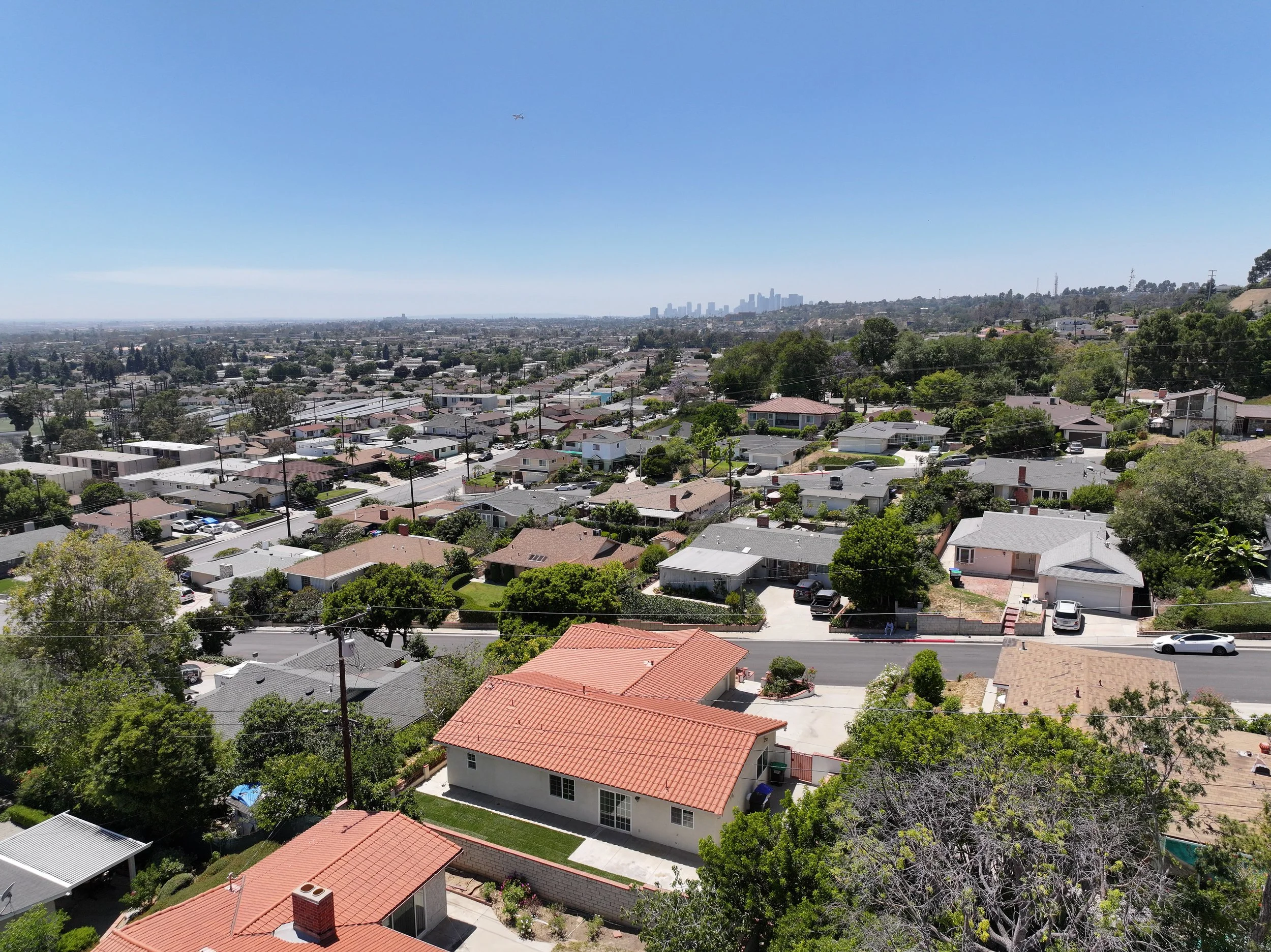
Listed by May Kunka of Compass in Monterey Park
A cash offer can be a great option when selling your Monterey Park home, especially if you want a faster closing, fewer financing-related complications, or a buyer who is comfortable purchasing the property in its current condition. But cash isn't automatically better than a financed offer. Before accepting, you should compare the purchase price, estimated net proceeds, proof of funds, contingencies, closing timeline, and likelihood of the buyer actually completing the purchase.
You decide it's time to sell your Monterey Park home.
Maybe you've owned it for 30 years.
Maybe you inherited it.
Maybe it's a rental property you're ready to let go of.
And before you've even put it on the market, someone reaches out.
"I'll buy your house for cash, as-is, and we can close in two weeks."
Sounds pretty good, right?
No open houses.
No repairs.
No strangers walking through your home every weekend.
No worrying about whether the buyer's loan will be approved.
But there's one question I want to ask before you sign anything.
How much money are you potentially leaving on the table for that convenience?
Because a cash offer can be an excellent option.
It can also be an expensive shortcut.
The difference comes down to the numbers and the terms.
What Does an All-Cash Offer Actually Mean?
An all-cash offer means the buyer intends to purchase the property without relying on a mortgage loan to fund the transaction.
Instead of waiting for a lender to approve and fund a loan, the buyer plans to use available funds to complete the purchase.
That can eliminate several complications associated with traditional financing.
For example, the transaction generally doesn't need to wait for mortgage underwriting or lender-required appraisal approval.
But here's something important.
All cash doesn't mean someone shows up at escrow with a suitcase full of money.
The funds still need to be properly transferred and verified through escrow.
And just because someone writes "all cash" on an offer doesn't prove they actually have the money.
We'll get to that.
Why Do Sellers Like Cash Offers?
There are some legitimate advantages.
A cash offer may provide:
A faster closing timeline.
No mortgage loan contingency.
No lender-required appraisal.
Fewer financing-related delays.
Greater flexibility with certain property conditions.
A potentially simpler transaction.
That can be particularly attractive if you're selling a property that needs significant work.
Maybe your house has an older roof.
An outdated kitchen.
Deferred maintenance.
Or repairs you've been putting off for years.
A buyer using conventional financing may have lender requirements to satisfy.
A cash buyer doesn't have those same mortgage-lender requirements.
But that doesn't mean the buyer won't care about the condition.
And it definitely doesn't mean they'll automatically pay whatever you're asking.
Is a Cash Offer Always Better Than a Financed Offer?
No.
Let's look at an example.
You list your Monterey Park home for $1,100,000.
We receive two offers.
<text preserveWhitespace={true}>Offer A: Cash Buyer
Purchase price: $1,050,000
No loan contingency
10-day closing
Buying as-is
Offer B: Financed Buyer
Purchase price: $1,130,000
Strong preapproval
25% down payment
30-day closing
Standard inspection terms</text>
That's an $80,000 difference in purchase price.
Would I automatically tell you to accept the cash offer?
Absolutely not.
We need to evaluate the financed buyer's qualifications, contingencies, and potential risks.
But giving up $80,000 simply because someone is paying cash might not make sense.
Especially if you're not in a hurry.
How Much Is a Faster Closing Worth?
That's a question only you can answer.
Imagine you're selling a vacant property.
You're paying:
Property taxes.
Insurance.
Utilities.
Landscaping.
Maintenance.
And perhaps a mortgage.
A faster closing can reduce some of those carrying costs.
But let's say your monthly carrying costs are $4,000.
One buyer offers to close in 10 days.
Another offers to close in 30 days.
That difference is approximately 20 days.
Using a simplified 30-day month, the additional carrying cost is around $2,667.
If the financed offer is $40,000 higher, would saving approximately $2,667 justify accepting $40,000 less?
Probably not based on carrying costs alone.
Of course, there may be other reasons a quick closing matters.
Maybe you're relocating.
Maybe you're managing an inherited estate.
Maybe you already purchased another property.
Or maybe you simply want the transaction finished.
Those things have value too.
But I want us putting actual numbers to the decision.
Can a Cash Buyer Still Cancel the Purchase?
Yes.
This is one of the biggest misconceptions about cash offers.
Cash does not automatically mean non-contingent.
A buyer paying cash may still include contingencies for:
Property inspections.
Reviewing disclosures.
Title.
Other investigations.
Or additional contractual conditions.
California's Department of Real Estate explains that contingencies and special conditions are part of the purchase agreement and can affect a buyer's rights and obligations.
So I don't want you assuming:
"They offered cash, so the sale is guaranteed."
It isn't.
We still need to read the contract.
What If the Cash Buyer Requests Repairs?
They can ask.
Whether you're obligated to agree is another matter.
Let's say a cash buyer offers $1,100,000.
We accept.
They inspect the property.
Then they come back requesting a $35,000 reduction.
Now what?
The answer depends on the contract, including the contingencies still in place and the parties' rights.
But the point is that a cash buyer can still attempt to renegotiate.
I've seen buyers make requests after inspections, regardless of how they're financing the purchase.
That's why I pay attention to the buyer's investigation period and the actual terms of the offer.
Not just the words "all cash."
What Does Buying As-Is Really Mean?
This is another phrase that sounds more definitive than it sometimes is.
A buyer may offer to purchase your home in its present condition.
That generally means they're not requiring you to complete specified repairs as part of the initial offer.
But an as-is offer doesn't necessarily eliminate inspection rights.
And it doesn't eliminate your legal disclosure obligations.
The buyer may still investigate the property.
Depending on the contract, they may have the right to cancel during an applicable contingency period.
They may also request a price adjustment.
You don't automatically have to agree to that request.
But it's important to understand what the buyer can and cannot do under the agreement.
How Do I Know If a Cash Buyer Actually Has the Money?
This is one of the first things I want to verify.
Proof of funds.
If someone offers $1.2 million cash for your house, I want reasonable evidence that they have access to enough money to complete the purchase.
That might include appropriate documentation from a financial institution showing sufficient available funds.
We also want to understand:
Who owns the funds?
Are they readily accessible?
Are they in the buyer's name or an entity purchasing the property?
Does the buyer need to liquidate investments?
Are they depending on money from another transaction?
When can the funds reach escrow?
A buyer with $1.2 million in readily available funds is not necessarily in the same position as someone who needs to sell another property to produce that money.
The California Department of Real Estate has specifically warned real estate professionals about misrepresenting offers as all cash when financing is actually required.
So this isn't something I take lightly.
What If the Buyer Says They Don't Want to Share Financial Information?
I understand that people value privacy.
I do too.
Financial documents can contain sensitive information.
But there are ways to provide reasonable verification while protecting unnecessary personal details.
A legitimate buyer should understand why a seller wants confirmation that the purchase funds are available.
If someone refuses to provide any meaningful evidence and expects you to take your home off the market, I'm going to have questions.
Are All Cash Buyers Investors?
No.
Some are.
But plenty of cash buyers are regular homeowners.
Maybe someone sold a longtime home in Pasadena and is downsizing.
Maybe they're relocating from a more expensive market.
Maybe they have substantial savings or investments.
Maybe they're purchasing a property for a family member.
The National Association of REALTORS® has reported that cash purchases are common among repeat buyers with substantial home equity, not just investors.
So I wouldn't assume every cash buyer is looking for a bargain or planning to flip your house.
We evaluate the actual buyer and offer.
What About Companies That Buy Houses for Cash?
You've probably seen the advertisements.
"We Buy Houses!"
"Cash Offer in 24 Hours!"
"Sell Your Home As-Is!"
Some of these businesses provide a legitimate service.
They may purchase properties that need significant repairs, offer flexible closing dates, or help owners avoid the traditional listing process.
But their business model often depends on purchasing properties at a price that leaves room for repairs, holding costs, resale expenses, and profit.
That's not inherently wrong.
They're operating a business.
But as the seller, you should understand the tradeoff.
You may be accepting less money in exchange for speed and convenience.
The question is whether that exchange makes sense for you.
Should I Get a Market Value Estimate Before Accepting an Investor Offer?
Absolutely.
Imagine an investor offers:
$850,000 cash.
They tell you:
"Your house needs work. This is a great offer."
Maybe it is.
But what if similar properties suggest the house could sell on the open market for approximately $1,050,000 in its current condition?
That's a $200,000 difference.
Even after accounting for selling expenses, preparation, and time on the market, that could be significant.
On the other hand, maybe the property has major structural problems and a realistic market value closer to $875,000.
Now the $850,000 cash offer looks very different.
We need actual comparable sales and an honest assessment of condition.
Not just the buyer's opinion of what your property is worth.
Can I Sell My Monterey Park Home for Cash Without Making Repairs?
Yes.
You can sell a property in its current condition if you find a buyer willing to accept it.
And that buyer doesn't necessarily have to be an investor.
There are regular buyers who are comfortable purchasing homes that need work.
Some have contractors.
Some are planning major renovations anyway.
Some want to customize the property.
This is particularly relevant in Monterey Park, where longtime family homes sometimes come to market with original kitchens, older bathrooms, or deferred maintenance.
A house doesn't need to look like a brand-new remodel to attract buyers.
But pricing and presentation still matter.
Should I List My Home Instead of Selling Directly to a Cash Buyer?
Often, I think it's worth exploring what the open market could produce.
Here's why.
If you sell directly to one investor, you're negotiating with one buyer.
If we expose the property to the broader market, we may attract:
Cash buyers.
Owner-occupants.
Investors.
Contractors.
Move-up buyers.
Buyers looking for renovation opportunities.
That competition can help us understand the property's actual market value.
And here's something sellers sometimes forget.
Listing your home doesn't prevent you from accepting a cash offer.
We can market the property and still receive cash offers.
In fact, competition among buyers may improve the terms.
What If I Don't Want Open Houses?
That's okay.
We can discuss a marketing plan that respects your priorities.
Some sellers are comfortable with open houses.
Others prefer private appointments.
Some have tenants.
Some are handling an estate.
Some are still living in the property and don't want constant interruptions.
We can evaluate alternatives.
But I wouldn't automatically assume your only choices are:
Hold open houses every weekend.
Or sell to the first investor who calls.
There are other ways to approach a sale.
Can a Cash Buyer Close in Seven Days?
Sometimes.
But I wouldn't promise it.
Even without a mortgage lender, the transaction may still require:
Opening escrow.
Verifying funds.
Reviewing title.
Resolving liens or ownership issues.
Preparing required documents.
Completing agreed investigations.
Signing closing documents.
Recording the transfer.
A short escrow may be possible when everything is ready and the parties can perform.
But the closing date should be realistic.
If the property is held in a trust, involved in probate, or has unresolved title issues, the timeline may be more complicated.
Cash doesn't automatically solve those problems.
What If the Buyer Offers Cash but Wants a Long Inspection Period?
Then I want to understand why.
A buyer offering a 10-day closing with a short investigation period is presenting a different risk profile from someone offering cash but requesting several weeks to investigate the property.
Neither is automatically unacceptable.
But the terms should make sense together.
If the buyer wants a lengthy investigation period, a small deposit, and broad cancellation rights, the transaction may not provide as much certainty as the word "cash" initially suggests.
Should I Worry About a Buyer Assigning the Contract?
It's something worth reviewing.
Some investors purchase properties directly.
Others may seek the right to assign their purchase contract to another buyer.
That can be part of a legitimate business arrangement, but it may also mean the person making the offer isn't the person who ultimately intends to purchase the property.
I want to understand:
Who is the buyer?
Who is providing the funds?
Does the agreement allow assignment?
Would the original buyer remain responsible?
Could an assignment affect closing?
If the structure is unusual, we may want legal guidance before accepting.
Is a Large Earnest Money Deposit Important?
It can be.
A meaningful deposit may indicate that the buyer is serious.
But a large deposit doesn't guarantee closing.
And it doesn't mean the seller automatically gets to keep the money if the buyer cancels.
The purchase agreement and applicable California law determine the parties' rights.
So I consider the deposit alongside the other terms.
Price.
Proof of funds.
Contingencies.
Closing timeline.
And the buyer's ability to perform.
What If the Cash Offer Is Lower but Has No Contingencies?
Now we're getting into a more interesting comparison.
Suppose we have:
Offer A
$1,150,000 cash.
Verified funds.
No buyer contingencies.
15-day closing.
Offer B
$1,180,000 financed.
Strong preapproval.
20% down.
Inspection, appraisal, and loan contingencies.
30-day closing.
That's a $30,000 difference.
Which would I recommend?
It depends.
If the property is in excellent condition and the financed buyer appears very strong, I may prefer the additional $30,000.
If there are significant property issues, unusual financing concerns, or a compelling need for certainty and speed, the cash offer may deserve more consideration.
We need to look at the complete transaction.
What If I'm Selling an Inherited Monterey Park Home?
Cash offers can be attractive when dealing with inherited property.
Maybe the house hasn't been updated in 40 years.
Maybe it's full of belongings.
Maybe multiple family members are involved.
Maybe the estate wants to avoid spending money on renovations.
A cash buyer willing to purchase the home in its existing condition could simplify the process.
But I still want the heirs or authorized seller to understand the property's market value.
An inherited home may be worth substantially more than the first investor offers.
And any trust, probate, or title requirements still need to be addressed.
What If I'm Selling a Rental Property With Tenants?
A cash investor may be interested in purchasing the property with tenants in place.
That can be useful when the existing leases make an immediate owner-occupant purchase more complicated.
But cash doesn't eliminate tenant rights.
The buyer generally takes the property subject to applicable tenancy obligations.
We should evaluate the existing leases, actual rental income, condition, and buyer pool before deciding whether an investor offer is the best option.
What If My House Has Unpermitted Work?
This is another situation where cash may provide flexibility.
Some financed buyers may encounter appraisal or underwriting concerns involving certain property conditions.
A cash buyer doesn't have a mortgage lender imposing those particular requirements.
But that doesn't mean unpermitted work becomes irrelevant.
The buyer may still investigate it.
The condition may affect the property's value.
And seller disclosure obligations still apply.
I wouldn't automatically accept a steep discount without first understanding the issue and our alternatives.
What If I Already Accepted a Cash Offer and the Buyer Wants a Price Reduction?
We need to review the contract.
If the buyer is still within an applicable contingency period, they may have certain contractual rights.
If contingencies have been removed, the situation may be different.
Either way, the buyer can ask for a reduction.
That doesn't mean you have to agree.
But I want to understand the potential consequences of refusing, including whether the buyer has a right to cancel.
This is where having a carefully negotiated agreement matters.
Can a Cash Offer Fall Out of Escrow?
Yes.
A cash transaction can still fail because of:
Buyer cancellation under a contingency.
Disagreements over property condition.
Title problems.
Unverified or unavailable funds.
Contract disputes.
Failure to meet closing obligations.
Or other complications.
Cash reduces one major category of risk.
It doesn't eliminate every risk.
How Do I Compare a Cash Offer With a Financed Offer?
I like to put the offers side by side.
Not just the purchase prices.
Here's a simplified example:
Offer TermCash BuyerFinanced BuyerPurchase price$1,100,000$1,145,000FinancingCashConventional loanDown paymentNot applicable25%Proof of fundsVerifiedVerified down paymentLoan contingencyNoneIncludedAppraisal contingencyNoneIncludedInspection contingency7 days10 daysClosing timeline14 days30 daysSeller creditNoneNone
The financed offer is $45,000 higher.
Now we need to ask whether the shorter timeline and reduced financing risk of the cash offer justify that difference.
And we should calculate estimated net proceeds for both.
That's a much better way to make the decision than simply saying:
"Cash is king."
When Would I Recommend Seriously Considering a Lower Cash Offer?
There are situations where a lower cash offer may make sense.
For example:
You need a very quick closing.
The property has significant condition issues.
You have limited funds for repairs.
A financed transaction presents unusual uncertainty.
You want to avoid extended carrying costs.
The difference in net proceeds is relatively small.
Or the cash buyer is offering particularly strong terms.
But I want the decision to be informed.
Not driven by fear or pressure.
When Would I Be Hesitant to Accept a Cash Offer?
I'd have questions if:
The offer is substantially below market value.
The buyer won't provide reasonable proof of funds.
The contract contains unusual assignment provisions.
The buyer wants a very long investigation period.
The deposit is unusually small relative to the transaction.
The buyer keeps changing the terms.
The promised closing timeline doesn't appear realistic.
Or the buyer is pressuring you to sign before you've had an opportunity to review the agreement.
None of those automatically proves the buyer is illegitimate.
But they're reasons to slow down and investigate.
Frequently Asked Questions
Is a cash offer better than a financed offer when selling a house?
Not automatically. Cash eliminates mortgage-financing risk and may allow a faster closing, but a strong financed offer can provide a higher price or better overall terms.
Do cash buyers need an appraisal?
A cash buyer generally doesn't need a lender-required appraisal because there's no mortgage lender. However, the buyer can still choose to obtain an appraisal or valuation as part of their own investigation.
Can a cash buyer ask for repairs?
Yes. A cash buyer can request repairs or credits, although the seller isn't automatically required to agree. The buyer's rights depend on the purchase agreement.
How fast can I sell my Monterey Park home for cash?
Some cash transactions can close relatively quickly, but the timeline depends on escrow, title, funds, inspections, contract terms, and any ownership or property complications.
Should I sell my house to a cash-buying company?
It may make sense if speed and convenience are especially important. However, you should compare the company's offer with a realistic estimate of what the property could sell for on the open market.
How do I verify a cash buyer?
Request appropriate proof of funds and confirm that the buyer has access to sufficient money to complete the purchase. Your real estate agent and escrow professionals can help review the transaction's financial and contractual requirements.
Can I sell my Monterey Park home as-is for cash?
Yes. You can sell a property in its existing condition to a willing cash buyer, subject to applicable disclosure obligations and the terms of the purchase agreement.
So What's the Next Step?
If someone approaches you with a cash offer for your Monterey Park home, I don't want you immediately saying yes.
But I don't want you dismissing it either.
Let's evaluate it.
First, I want to know what your property is actually worth.
Not what an investor says it's worth.
Not what an online estimate says.
What do comparable homes suggest?
What condition is your property in?
What would we need to do to prepare it for the open market?
How much might that cost?
Then let's look at the cash offer.
What's the purchase price?
Are the funds verified?
Are there contingencies?
Is the buyer purchasing as-is?
How quickly can they realistically close?
Are there any unusual contract terms?
And most importantly:
How much money will you actually walk away with?
Because if a cash buyer offers you $950,000 and we believe your property could realistically sell for $1,150,000, I want you understanding that difference before making a decision.
Maybe the convenience is worth it to you.
Maybe it isn't.
But at least you're making the choice with the full picture.
After nearly 20 years helping sellers throughout Monterey Park and the San Gabriel Valley, I've learned that the strongest offer isn't always the highest one, and it isn't always the cash one.
It's the offer that best balances price, terms, certainty, and your individual goals.
If you're thinking about selling your Monterey Park home and have received a cash offer, I'd be happy to review it with you, estimate your property's market value, and help you compare the options before you commit to anything.