Should I Offer a Home Warranty When Selling My Monterey Park Home?
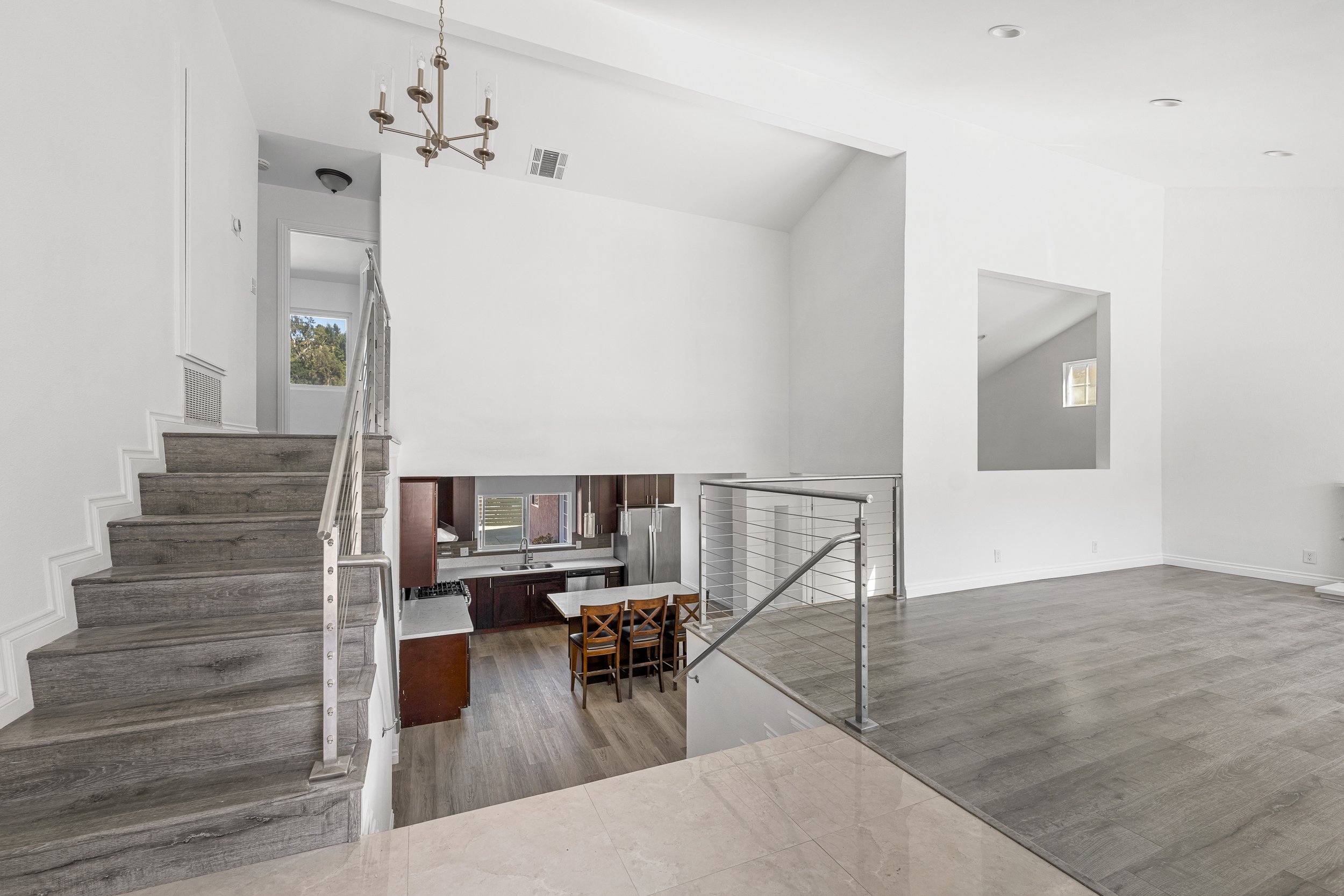
Listed by May Kunka, Realtor of Compass in Monterey Park
Offering a home warranty when selling your Monterey Park home is optional, but it can be a useful incentive for certain buyers. A home warranty is a service contract that may help cover repairs or replacements of specified home systems and appliances when they fail under covered circumstances. However, plans have exclusions, service fees, and coverage limits. Whether it's worthwhile depends on your home's condition, the buyer's concerns, the warranty terms, and the overall negotiation.
You're getting ready to sell your Monterey Park home.
The house is in good condition, but it's not brand-new.
Maybe the air conditioner is getting older. The dishwasher has been around for a while. And although everything seems to be working fine, you know some of those systems won't last forever.
Then someone suggests:
"Why don't you offer the buyer a home warranty?"
It sounds like a pretty good idea.
For a relatively small expense compared with the sale price, you could give the buyer a little extra confidence about purchasing the property.
But is it actually worth it?
And does a home warranty really protect the buyer if something breaks?
Let's talk about what these plans do, what they don't do, and when I think offering one makes sense.
What Is a Home Warranty?
A home warranty is a service contract that provides certain repair or replacement benefits for covered home systems and appliances.
Depending on the plan, coverage may include things like:
Heating and air conditioning systems.
Plumbing components.
Electrical systems.
Water heaters.
Ovens and cooktops.
Dishwashers.
Built-in microwaves.
Garage door openers.
Some companies offer additional coverage for refrigerators, washers, dryers, or other equipment.
But every plan is different.
And this is important:
A home warranty doesn't mean everything in the house is covered.
The contract determines what qualifies, what is excluded, how claims are handled, and how much the company will pay.
Is a Home Warranty the Same as Homeowners Insurance?
No, and buyers sometimes confuse the two.
Homeowners insurance generally addresses certain covered losses involving the property, such as damage from specified events, subject to the policy's terms and exclusions.
A home warranty typically focuses on certain covered mechanical failures of home systems and appliances.
For example, if an aging dishwasher stops working because of a covered mechanical failure, a home warranty might provide benefits.
If a kitchen is damaged by a covered fire, that's generally an insurance question rather than a home warranty issue.
Neither type of coverage replaces the other.
And neither guarantees that every problem will be paid for.
Do I Have to Offer a Home Warranty When Selling My House in California?
No.
California doesn't generally require a homeowner to purchase a home warranty for the buyer as a condition of selling a residential property.
A seller-paid warranty is something the parties can negotiate.
Sometimes a seller offers one upfront.
Sometimes the buyer requests one in the purchase offer.
And sometimes the transaction closes without a home warranty at all.
There's no universal rule saying every Monterey Park seller should provide one.
How Much Does a Home Warranty Cost?
The price depends on the company, coverage level, optional add-ons, and contract terms.
Many residential plans cost several hundred dollars for a year of coverage, although actual quotes can be higher.
There may also be a service call fee each time the homeowner requests service.
And a more expensive plan doesn't necessarily mean every repair is fully covered.
I recommend comparing actual quotes and reviewing the coverage limits before agreeing to pay for a plan.
The important question isn't just what the warranty costs.
It's what the buyer receives for that cost.
Does a Home Warranty Cover an Old Air Conditioner?
Possibly.
This is one of the reasons sellers consider offering a warranty.
Imagine you're selling a Monterey Park home with an air conditioning system that's 18 years old.
It works.
It cools the house.
The inspector doesn't identify an immediate failure.
But the buyer is understandably nervous about the system's age.
A home warranty might provide some reassurance if the plan covers certain mechanical failures.
However, coverage may depend on the specific contract, the cause of the failure, and any applicable exclusions or limits.
Some plans may not pay the full cost of replacing an entire system.
There may also be exclusions for particular components, modifications, or conditions.
So I wouldn't tell a buyer:
"Don't worry, the home warranty will replace the AC if it breaks."
That could be misleading.
Instead, I'd encourage them to review exactly what the plan covers.
Will a Home Warranty Cover Preexisting Problems?
Not necessarily.
This is one of the most important things to understand.
Some plans exclude known preexisting conditions or limit coverage based on the condition of the system when coverage begins.
Other contracts have different definitions and eligibility rules.
If the home inspection identifies a water heater that's already leaking, I wouldn't assume a newly purchased home warranty will pay to replace it.
The same goes for a malfunctioning furnace, broken dishwasher, or plumbing problem that already exists.
A home warranty shouldn't be used as a way to avoid addressing known property defects.
If we know something is broken, we need to deal with it honestly.
Does a Home Warranty Replace the Need for Repairs?
No.
Let's say we're selling a Monterey Park home and the inspection reveals that the furnace isn't operating properly.
The buyer asks for a repair or credit.
Could we offer a home warranty instead?
We could discuss it as part of the negotiation, but the buyer may not find that acceptable.
And for good reason.
A warranty may not cover the existing problem.
Even if the plan includes furnace coverage, the buyer could still face service fees, exclusions, or repair limits.
If a system has a known defect, we need to evaluate the actual condition and cost of addressing it.
A home warranty is better viewed as potential protection against certain future covered failures, not a replacement for fixing existing issues.
Will Offering a Home Warranty Help My House Sell Faster?
Maybe, but I wouldn't count on it.
Most buyers are primarily concerned with the property's location, price, layout, condition, and overall value.
A home warranty isn't likely to convince someone to purchase a house they otherwise don't want.
And it won't fix an overpriced listing.
But it can be a nice additional benefit.
Especially if the buyer is choosing between similar properties or has concerns about older systems.
I think of it as one possible tool in our marketing and negotiation strategy.
Not the strategy itself.
Is a Home Warranty More Valuable for an Older Monterey Park Home?
It can be.
Monterey Park has plenty of homes built decades ago, including properties that have remained in the same family for generations.
Some have been beautifully maintained but haven't undergone major renovations.
Maybe the kitchen is original.
Maybe the plumbing has been updated in stages.
Maybe the HVAC system is working well but getting older.
A home warranty could be attractive to a buyer who understands they're purchasing an older home and wants some additional protection for eligible systems.
But we still need to consider the actual condition of the property.
If the house has major deferred maintenance, a warranty isn't going to make those issues disappear.
What If My House Has Been Completely Remodeled?
Then a home warranty may be less important to the buyer.
If the property has newer appliances, updated mechanical systems, and transferable manufacturer or contractor warranties, those may already provide some protection.
Of course, that depends on the terms of the existing warranties.
And a buyer may still appreciate an additional service contract.
But I wouldn't automatically spend money on a home warranty just because it's something sellers sometimes do.
I'd rather evaluate whether it adds meaningful value to the transaction.
Should I Offer the Home Warranty in My Listing?
Sometimes.
If we decide a home warranty would be a useful selling feature, we can mention that the seller is offering one, subject to the specific terms.
But I wouldn't make it the centerpiece of the marketing.
Buyers are looking at the house first.
The natural light.
The layout.
The yard.
The location.
The condition.
A home warranty is an added benefit, not a substitute for presenting the property well.
And any marketing claim about the warranty should be accurate.
We don't want buyers assuming they're receiving unlimited coverage.
What If the Buyer Requests a Home Warranty in Their Offer?
Then we evaluate it along with the rest of the offer.
Let's say your Monterey Park home is listed for $1,050,000.
A buyer offers $1,050,000 and requests that you pay for a one-year home warranty up to an agreed amount.
That's a relatively small concession compared with the overall transaction.
If the rest of the offer is strong, it may be perfectly reasonable.
But if the buyer is also asking for a significant price reduction, closing cost credits, and other concessions, we'll look at the total package.
I don't want sellers evaluating each request in isolation.
The question is what the complete offer means for your bottom line.
Can I Offer a Home Warranty Instead of a Price Reduction?
You can propose it.
But whether it works depends on the buyer's concerns.
If the buyer is nervous about the age of the appliances, a home warranty may help address some of that uncertainty.
If the buyer believes the property is overpriced by $50,000, a warranty costing several hundred dollars probably won't change their opinion.
And if the inspection reveals a major foundation problem, offering a home warranty isn't an appropriate substitute for evaluating that issue.
We need to match the negotiation strategy to the actual concern.
Can a Home Warranty Help During Inspection Negotiations?
Sometimes, but only in a limited way.
Let's say the inspector notes that the water heater is older but currently functioning.
The buyer is concerned about its remaining useful life.
A home warranty that includes eligible water heater failures might be one item we discuss.
But I want the buyer to understand that age alone doesn't necessarily establish coverage, and replacement benefits may be limited.
If the water heater is already leaking, that's a different conversation.
The inspection gives us information about the property's current condition.
The warranty may provide certain benefits for future covered events.
Those are separate things.
What Happens If Something Breaks After Closing?
If the buyer has a home warranty and experiences a problem, they'll generally need to follow the warranty company's claim process.
That may involve contacting the provider, paying a service fee, and using an approved service contractor.
The provider then determines whether the problem is covered under the contract.
Depending on the terms, the company may authorize a repair, replacement, or another form of benefit.
Or it may deny the claim.
This is why I encourage buyers to understand the process before they need to use it.
It's also why sellers shouldn't describe a warranty as a guarantee that nothing will cost the buyer money after closing.
Does a Home Warranty Protect Me as the Seller?
Not in the way some sellers assume.
A home warranty is not a substitute for your legal disclosure obligations.
And it doesn't automatically prevent a buyer from raising concerns about the property's condition after closing.
If you know about a material defect, you still need to make the disclosures required by California law.
Offering a warranty doesn't erase that responsibility.
I want sellers to be clear and accurate about what they know.
That helps buyers make informed decisions and reduces the risk of misunderstandings later.
Can I Buy Warranty Coverage While My Home Is Listed?
Some home warranty companies offer products or arrangements designed for sellers during the listing period.
Availability, coverage, costs, and eligibility vary.
These products may differ from the warranty purchased for the buyer at closing.
If you're interested in seller coverage, we'd need to review the actual contract and confirm when coverage begins and ends.
I wouldn't assume that purchasing a buyer's one-year warranty automatically provides coverage while the property is on the market.
What Should I Look for When Comparing Home Warranty Companies?
I wouldn't choose a company based on price alone.
I'd want to review the contract and ask a few practical questions.
What's covered?
Look at the specific systems and appliances included in the plan.
What's excluded?
Pay attention to preexisting conditions, maintenance-related exclusions, and other limitations.
What are the coverage limits?
Some contracts have maximum payout amounts for particular systems or services.
What's the service fee?
A homeowner may have to pay a fee each time service is requested.
Can the buyer choose their own contractor?
Some companies require the use of approved service providers.
How are replacements handled?
The contract may limit the amount paid or provide options that differ from what the homeowner expects.
What do customer reviews say about the claims process?
A low annual price isn't much of a bargain if getting service is consistently difficult.
The details matter much more than the marketing brochure.
Is It Better to Offer a Home Warranty or a Closing Cost Credit?
That depends on the buyer.
A first-time buyer who is worried about future appliance repairs may appreciate a home warranty.
Another buyer may prefer help with closing costs.
And a buyer planning a major renovation might not value a home warranty at all.
Closing cost credits also have financing limits and must be structured appropriately.
So I wouldn't assume one incentive is always better.
I'd rather understand what matters to the buyer and what makes financial sense for the seller.
What If the Buyer Doesn't Want a Home Warranty?
That's fine.
Not every buyer sees value in these plans.
Some prefer to choose their own contractors and pay for repairs directly.
Others have had disappointing experiences with warranty claims.
And some simply don't think the coverage is worth the cost.
I wouldn't insist on purchasing a warranty for someone who doesn't want it.
We can focus on the other terms of the transaction.
Should I Offer a Home Warranty on an As-Is Sale?
You can.
Selling a property as-is generally means the seller isn't agreeing to make repairs simply because the buyer requests them, subject to the actual contract terms.
It doesn't eliminate disclosure obligations.
And it doesn't prevent the buyer from investigating the property's condition.
A home warranty might be offered as an additional benefit in an as-is transaction.
But we need to be especially careful about the buyer's expectations.
If the property has known defects or significant deferred maintenance, the warranty may not cover those conditions.
I wouldn't want a buyer relying on a service contract instead of conducting appropriate inspections.
What If I'm Selling an Inherited Home?
This is another situation where the question sometimes comes up.
Maybe you've inherited your parents' Monterey Park home.
You haven't lived in the property for years.
You know the house has older appliances and mechanical systems, but you don't have detailed maintenance records.
A home warranty may be something we consider offering.
However, it doesn't replace inspections or whatever disclosures are legally required in the specific transaction.
Some transfers involving estates or trusts have different statutory disclosure requirements, so it's important to determine which rules apply.
The best approach is to be transparent about what you know, investigate concerns where appropriate, and decide whether the warranty would provide a meaningful benefit.
When Would I Recommend Offering a Home Warranty?
I'd consider it when the home has older but functioning systems, the buyer has expressed concerns about future repairs, or the warranty could help us reach an agreement without a major concession.
It may also make sense when the cost is relatively modest and the buyer specifically values the coverage.
But I want to see the actual policy first.
A home warranty is only useful to the extent that its terms provide the protection the buyer expects.
When Would I Skip It?
I might skip it when the buyer doesn't want one, the property's systems are already covered by other applicable warranties, or the plan's exclusions make it a poor fit.
I'd also be cautious about offering a warranty as a solution to known defects.
If a repair is necessary, let's discuss the repair.
If the buyer wants a credit, let's evaluate the request.
We don't need to force a home warranty into every transaction.
Frequently Asked Questions
Do sellers have to provide a home warranty in California?
No. A seller-paid home warranty is generally optional and can be negotiated as part of the purchase agreement.
How much does a seller-paid home warranty cost?
Many plans cost several hundred dollars for one year, but pricing varies by provider, coverage, and optional add-ons. Service fees and coverage limits may also apply.
Does a home warranty cover old appliances?
Possibly. Coverage depends on the contract, the appliance, the cause of failure, and any applicable exclusions or limits.
Will a home warranty cover an existing problem found during inspection?
Not necessarily. Some plans exclude known preexisting conditions or impose other eligibility requirements. Review the contract before relying on coverage.
Does offering a home warranty help sell a house faster?
It may provide additional reassurance to some buyers, but there's no guarantee it will shorten the selling process or increase the sale price.
Can a seller offer a home warranty instead of making repairs?
The parties can negotiate different solutions, but a home warranty doesn't necessarily cover known defects and shouldn't be presented as a replacement for required disclosures.
Does a home warranty protect sellers from lawsuits?
No. A home warranty doesn't eliminate a seller's legal obligations or automatically prevent post-closing disputes.
So What's the Next Step?
If you're preparing to sell your Monterey Park home, I wouldn't automatically recommend purchasing a home warranty.
I'd want to look at the property first.
How old are the major systems?
Are they functioning properly?
Have you made recent improvements?
Do you have transferable warranties?
And what kind of buyer are we likely to attract?
Maybe your home is beautifully maintained but has an older air conditioner and water heater.
In that case, a home warranty might be worth discussing.
Or maybe you've just completed a major remodel, and the buyer would rather have a closing cost credit.
The important thing is understanding what will actually help the transaction.
I've worked with plenty of older homes throughout Monterey Park and the San Gabriel Valley, and one thing I've learned is that buyers don't necessarily expect everything to be new.
But they do want to understand what they're purchasing.
Good inspections, accurate disclosures, thoughtful pricing, and realistic negotiations usually matter much more than adding a warranty to the deal.
If you're thinking about selling your Monterey Park home, I'd be happy to walk through the property with you, discuss which preparations are worthwhile, and help you decide whether offering a home warranty makes sense.
The goal isn't to spend money on every possible selling incentive.
It's to make smart decisions that help you get your home sold.