Should I Buy a Home In Pasadena with a Shared Driveway?
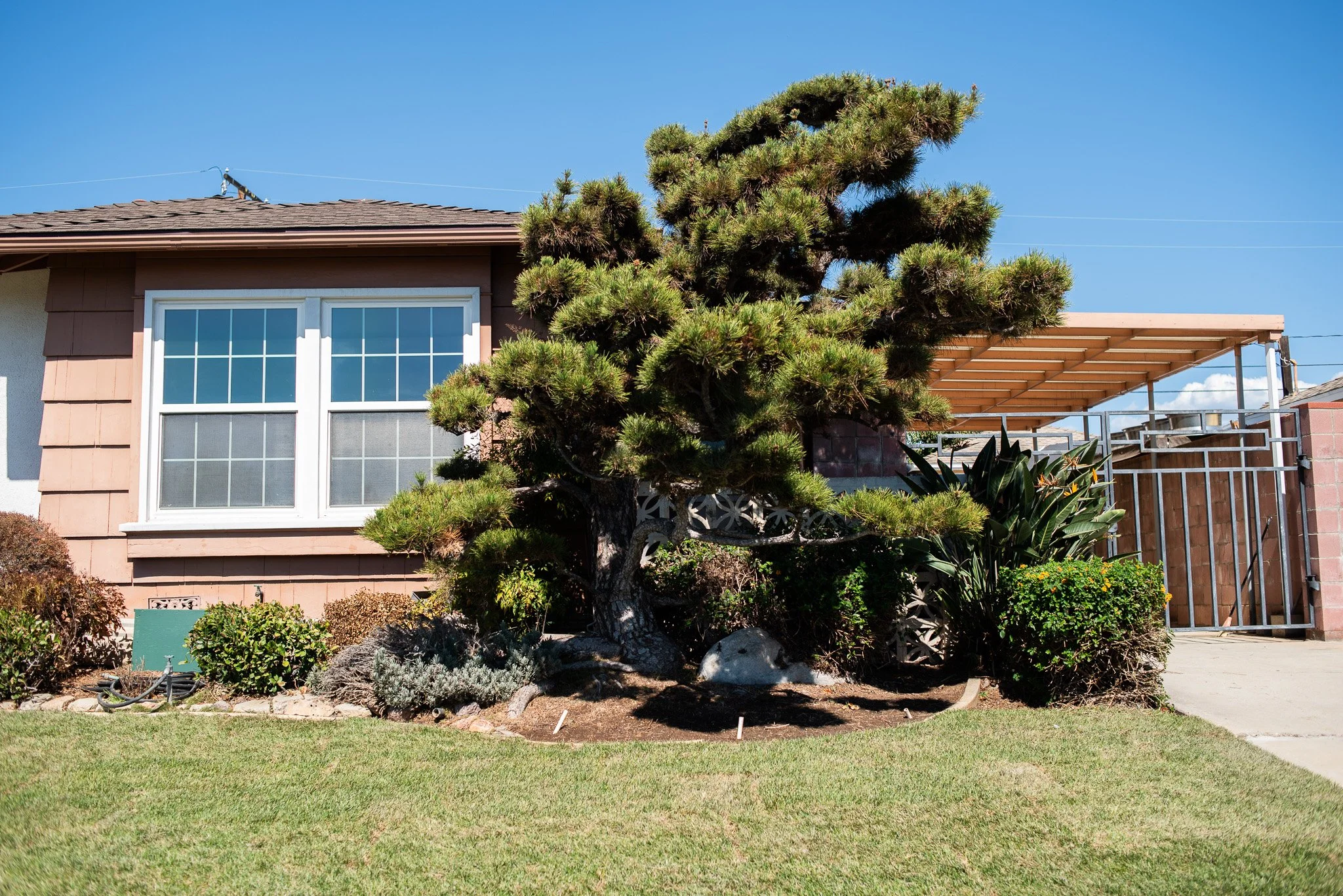
Listed by May Kunka, Realtor of Compass
Buying a Pasadena home with a shared driveway can be a perfectly reasonable decision, but you should verify the legal rights and responsibilities before purchasing. A shared driveway may involve a recorded easement, a written agreement, or another property arrangement. Buyers should review the preliminary title report, relevant recorded documents, property boundaries, maintenance responsibilities, and access to garages or parking areas. A shared driveway isn't automatically a dealbreaker, but unclear access rights or ongoing neighbor disputes deserve careful investigation.
There's something I love about Pasadena's older neighborhoods.
The beautiful Craftsman homes, Spanish-style houses, mature trees, and little architectural details you don't see in newer developments.
But older homes can also come with some interesting property arrangements.
And one that occasionally surprises buyers is the shared driveway.
Imagine touring a beautiful 1920s bungalow.
It has original hardwood floors, built-in cabinetry, and a detached garage tucked behind the house.
Everything looks great.
Then you step outside and notice something.
The driveway appears to run right between your house and the neighbor's.
And both properties seem to use it.
Naturally, you ask:
"Wait, who actually owns the driveway?"
That's exactly the question we need to answer.
Because while a shared driveway can work perfectly well, I don't want you buying a home without understanding the arrangement.
What Is a Shared Driveway?
A shared driveway is a driveway used by more than one property.
The physical arrangement can vary quite a bit.
Sometimes the driveway sits entirely on one property, but the neighboring property has a legal right to use it.
Sometimes it crosses the boundary between two lots.
And sometimes a separate parcel or another recorded arrangement provides access.
The important distinction is that using a driveway and owning the land underneath it aren't necessarily the same thing.
Just because two neighbors have shared a driveway for 50 years doesn't automatically tell us what legal rights exist.
We need to look at the documents.
Why Do Some Pasadena Homes Have Shared Driveways?
Many of Pasadena's older neighborhoods were developed when residential layouts and parking needs were different.
Some properties have narrow side yards, detached garages behind the house, and limited space between neighboring buildings.
A shared driveway may have provided a practical way for two homes to access their garages without each needing a full-width driveway.
In some cases, these arrangements have worked for generations.
Neighbors use the driveway, respect each other's access, and rarely think twice about it.
But when a property changes ownership, questions can come up.
Who can park there?
Who pays to repair the pavement?
Can one owner install a gate?
And what happens if someone blocks access?
That's why I want to understand the arrangement before escrow closes.
What Is a Driveway Easement?
An easement is a legal right to use another person's property for a particular purpose.
For a shared driveway, that purpose may be vehicle access to a garage or parking area.
For example, one property owner might own the land where the driveway sits, while the neighbor has a recorded easement allowing them to drive across it.
But the details depend on the specific easement.
Some agreements describe exactly where access is permitted.
Others include restrictions on parking, gates, or obstructions.
And some address maintenance responsibilities.
The actual language of the recorded document matters.
I wouldn't assume every driveway easement gives both owners identical rights.
How Do I Find Out Whether the Driveway Is Legally Shared?
One of the first places we'll look is the preliminary title report.
The title report may identify recorded easements or other matters affecting the property.
If there's a driveway easement, we'll want to obtain and review the underlying recorded document rather than relying only on a brief reference in the report.
We may also need to examine the recorded parcel map or other property records.
If the situation is unclear, a surveyor or real estate attorney may be needed.
A title company can provide information about recorded matters, but it doesn't necessarily determine every boundary or resolve every legal question.
My goal is to identify any uncertainty early enough that you can investigate it before removing your contingencies.
What If There's No Written Shared Driveway Agreement?
That doesn't automatically mean the driveway can't legally be shared.
Property rights can sometimes arise through legal arrangements other than a straightforward recorded agreement.
However, determining whether an unrecorded or disputed right exists can involve complicated legal questions.
I wouldn't try to resolve that by asking the seller whether the neighbors have always gotten along.
That's helpful background, but it isn't a substitute for establishing legal rights.
If there's no clear documentation, I'd recommend consulting a qualified California real estate attorney and, when appropriate, a surveyor.
Especially if the driveway is the only practical way to access the property's garage.
Can My Neighbor Park in the Shared Driveway?
That depends on the ownership and legal rights involved.
An easement allowing vehicle access doesn't automatically mean someone has the right to park in a way that obstructs that access.
But the exact restrictions depend on the governing documents and applicable law.
Before buying, I'd want to observe how the driveway is being used.
Are cars regularly parked there?
Does the neighbor use the driveway to reach a garage?
Is there enough room for vehicles to pass?
And are there any visible obstructions?
If the arrangement looks problematic during a showing, it's worth investigating rather than assuming it will improve after you move in.
Who Pays to Maintain a Shared Driveway in California?
This is one of the most important questions to ask.
Driveways need maintenance.
Concrete can crack.
Asphalt can deteriorate.
Drainage problems can develop.
And eventually, the surface may need substantial repairs.
A written easement or maintenance agreement may specify how those expenses are divided.
If there's no applicable agreement, California Civil Code Section 845 contains rules concerning maintenance of certain rights-of-way easements.
However, the statute's application and cost-sharing requirements depend on the circumstances.
I wouldn't assume the neighbors automatically split every repair bill 50/50.
We need to review the documents and, if necessary, obtain legal guidance.
What If the Driveway Needs Repairs Right Now?
Then I want to understand the cost and who is responsible.
Let's say the driveway is badly cracked and has drainage issues.
A contractor estimates that repairs will cost $12,000.
Before making assumptions, I'd want to know:
Who owns the affected portion?
Who has the right to use it?
Is there a written maintenance agreement?
Have the neighbors discussed the repairs?
And is there an existing disagreement about payment?
If the seller says, "The neighbor will pay half," I'd want that arrangement confirmed rather than relying on a verbal statement.
We should understand the situation before you inherit a potentially expensive problem.
Can I Widen or Repave a Shared Driveway?
Possibly, but don't assume you can make changes unilaterally.
Even if you own part of the driveway, another property may have access rights that limit what you can do.
Depending on the proposed work, you may also need permits or other approvals.
If you want to widen the driveway, install new paving, change the slope, or alter drainage, we should investigate the legal and practical requirements first.
This is particularly important with older Pasadena homes where the driveway may run very close to the buildings.
Can I Install a Gate on a Shared Driveway?
That depends on the legal arrangement and applicable requirements.
A gate could interfere with another owner's access rights.
Even if both neighbors agree to a gate, the installation may involve permitting, emergency access, or other considerations.
If having a gated driveway is important to you, I'd investigate whether it's permitted before purchasing the property.
I wouldn't assume you can install one simply because the driveway looks like it's part of your yard.
What If the Neighbor Blocks My Garage?
This is exactly the kind of situation I want to avoid.
Imagine purchasing a home with a detached garage, only to discover that the neighbor frequently parks in the shared driveway.
Now you can't easily get your car in or out.
The legal options depend on the ownership arrangement, easement rights, and specific circumstances.
But even when you have enforceable rights, resolving a dispute can be frustrating.
That's why I'd rather investigate the situation before closing.
We can review the documents, observe the property, and ask appropriate questions about how access has been handled.
If there's an ongoing dispute, that's something you deserve to know about before deciding whether to buy.
Should I Talk to the Neighbor Before Buying?
It can be helpful.
A friendly conversation may give you a better understanding of how the driveway is used.
Maybe the neighbors have shared it for decades without any issues.
Maybe they have an informal arrangement for repairs.
Or maybe there's been some tension about parking.
But I want to emphasize something.
A pleasant conversation doesn't replace the legal documents.
And an unpleasant conversation doesn't necessarily mean the property is a bad purchase.
I would use the discussion as additional information, not the final word on your rights.
Does a Shared Driveway Affect Home Value?
It can.
Some buyers prefer a completely private driveway and may be less interested in a property that requires shared access.
Others may not care, particularly if the arrangement is well documented and works smoothly.
The effect on value depends on the property's layout, parking options, neighborhood, and the nature of the shared access.
For example, a home with a clearly documented driveway easement and convenient garage access may be easier to market than one with uncertain rights and a history of disputes.
But I wouldn't automatically apply a particular percentage discount.
I'd want to compare similar properties and evaluate how buyers respond to the arrangement.
Are Homes With Shared Driveways Harder to Sell?
They can be, depending on the circumstances.
A shared driveway may raise questions during inspections and title review.
Some buyers may decide they don't want to deal with the arrangement.
And lenders or title insurers may require clarification if access rights are uncertain.
But a shared driveway isn't necessarily unusual in an older neighborhood.
If the legal rights are clear and the driveway functions well, it may be a manageable feature of the property.
The bigger concern is uncertainty.
Buyers generally want to know they can access and use the property as intended.
Will a Shared Driveway Affect My Mortgage?
Potentially.
Lenders generally want to know that the property has adequate and legally acceptable access.
If the driveway is necessary to reach the garage or parking area, the lender may need to review the easement or other access arrangement.
Requirements vary by loan program and lender.
A documented, acceptable easement may not be a problem.
But unclear or disputed access rights could create complications.
I'd recommend providing the relevant documents to your lender early rather than waiting until the final stages of escrow.
What About Title Insurance?
Title insurance may provide protection against certain covered title defects or issues involving recorded property rights.
But coverage depends on the policy, endorsements, exceptions, and specific circumstances.
A title insurance policy doesn't automatically guarantee that every driveway dispute will be covered.
That's why we need to review the preliminary title report and understand any exceptions.
If access is especially important, we can ask the title company about available coverage and whether additional documentation is required.
Should I Get a Property Survey?
Sometimes, yes.
A survey can help identify property boundaries and the location of improvements relative to those boundaries, depending on the type and scope of survey.
This can be particularly useful when the driveway appears to cross a property line or when there's uncertainty about where the easement is located.
But a survey doesn't automatically resolve every legal question about access rights.
We may need both surveying information and legal review.
If the driveway is essential to the property's use, I think it's worth investigating thoroughly.
What If the Driveway Is Shared With More Than One Neighbor?
That can make the arrangement more complicated.
Some access routes serve several properties.
In those situations, maintenance obligations, parking restrictions, and access rights may involve multiple owners.
I'd want to understand whether there's a recorded road maintenance agreement, easement, or other governing document.
And I'd want to know how decisions about repairs are made.
A driveway shared by three or four properties isn't necessarily a problem.
But the responsibilities should be clear.
What If I'm Buying a Pasadena Home With an ADU?
A shared driveway can be particularly important if the property has an accessory dwelling unit.
Maybe the ADU sits behind the main house.
Maybe tenants or family members will need access.
Or perhaps you're considering converting a detached garage.
Before making plans, we need to understand the property's legal access rights and applicable zoning, building, and fire access requirements.
An existing driveway easement may not automatically permit every proposed use or improvement.
I wouldn't assume you can increase traffic through a shared driveway without evaluating the legal arrangement.
What If the Property Is in a Historic District?
Pasadena has many historic neighborhoods, and certain properties are subject to preservation requirements.
If you want to alter a driveway, gate, paving, or other exterior features, historic designation may affect what approvals are needed.
The specific requirements depend on the property and proposed work.
So if we're buying a historic home with a shared driveway, we'll want to consider both the access rights and any applicable preservation rules.
When Would I Be Comfortable Buying a Home With a Shared Driveway?
I'd feel better about it when the access rights are clearly documented, the driveway is functional, and the maintenance responsibilities are understandable.
I'd also want to know that:
The driveway provides the access you need.
There are no known unresolved disputes.
Parking arrangements are practical.
Any necessary repairs have been evaluated.
Your lender and title company are comfortable with the arrangement.
You understand any restrictions on future improvements.
If those pieces line up, a shared driveway may be a perfectly reasonable trade-off for a home you love.
When Would I Be More Cautious?
I'd want additional investigation if the driveway is the property's only access route and no one can establish a clear legal right to use it.
I'd also be cautious if the seller reports ongoing disputes, the driveway is frequently blocked, or major repairs are needed without a clear understanding of who pays.
Another concern would be plans to renovate or develop the property that depend on access rights we haven't verified.
Those situations don't automatically mean you should walk away.
But they do mean we need more information before moving forward.
Frequently Asked Questions
Is it a bad idea to buy a house with a shared driveway?
Not necessarily. A shared driveway can work well when legal access rights are documented and maintenance responsibilities are clear.
Who owns a shared driveway in California?
Ownership varies. The driveway may sit on one property, cross multiple properties, or involve another ownership arrangement. Recorded documents and property records help establish the details.
Who pays for shared driveway repairs in California?
A written agreement may specify cost sharing. California Civil Code Section 845 may apply to certain easement maintenance situations, but the specific responsibilities depend on the circumstances.
Can my neighbor park in our shared driveway?
It depends on the ownership arrangement, easement language, and applicable law. A right of access doesn't automatically establish a right to obstruct the driveway.
Can I install a gate on a shared driveway?
Possibly, but you may need the agreement of other rights holders and applicable approvals. A gate cannot simply be assumed permissible.
Does a shared driveway lower property value?
It can affect buyer demand and resale value, but the impact varies. Clear documentation and practical access can make the arrangement more acceptable to buyers.
Should I get a survey before buying a house with a shared driveway?
A survey may be worthwhile when boundaries or easement locations are unclear, especially if the driveway is essential to accessing the property.
So What's the Next Step?
If you're considering buying a Pasadena home with a shared driveway, I wouldn't automatically rule it out.
Some of these arrangements have worked perfectly well for decades.
But I also wouldn't assume everything is fine just because the current owners haven't had any problems.
I want to understand the legal rights, maintenance responsibilities, and practical day-to-day use.
We'll start by reviewing the preliminary title report and any recorded easement documents.
If there are questions about boundaries, we can discuss whether a survey is appropriate.
If the legal rights are unclear, I'd recommend having a qualified California real estate attorney review the situation.
And we'll make sure your lender and title company have the information they need.
Because I don't want you buying a beautiful Pasadena home and discovering later that accessing your own garage is more complicated than you expected.
I've been helping buyers throughout Pasadena and the San Gabriel Valley since 2007, and one thing I've learned is that some of the most important property details aren't always obvious during a showing.
Sometimes they're in the title report.
Sometimes they're in the permit history.
And sometimes they're in a driveway that's been shared by two neighbors for 80 years.
If you're considering buying an older Pasadena home, I'd be happy to help you investigate the property, coordinate the right professionals, and understand what you're purchasing before moving forward.