Should I Buy a Home in Pasadena With a Swimming Pool?
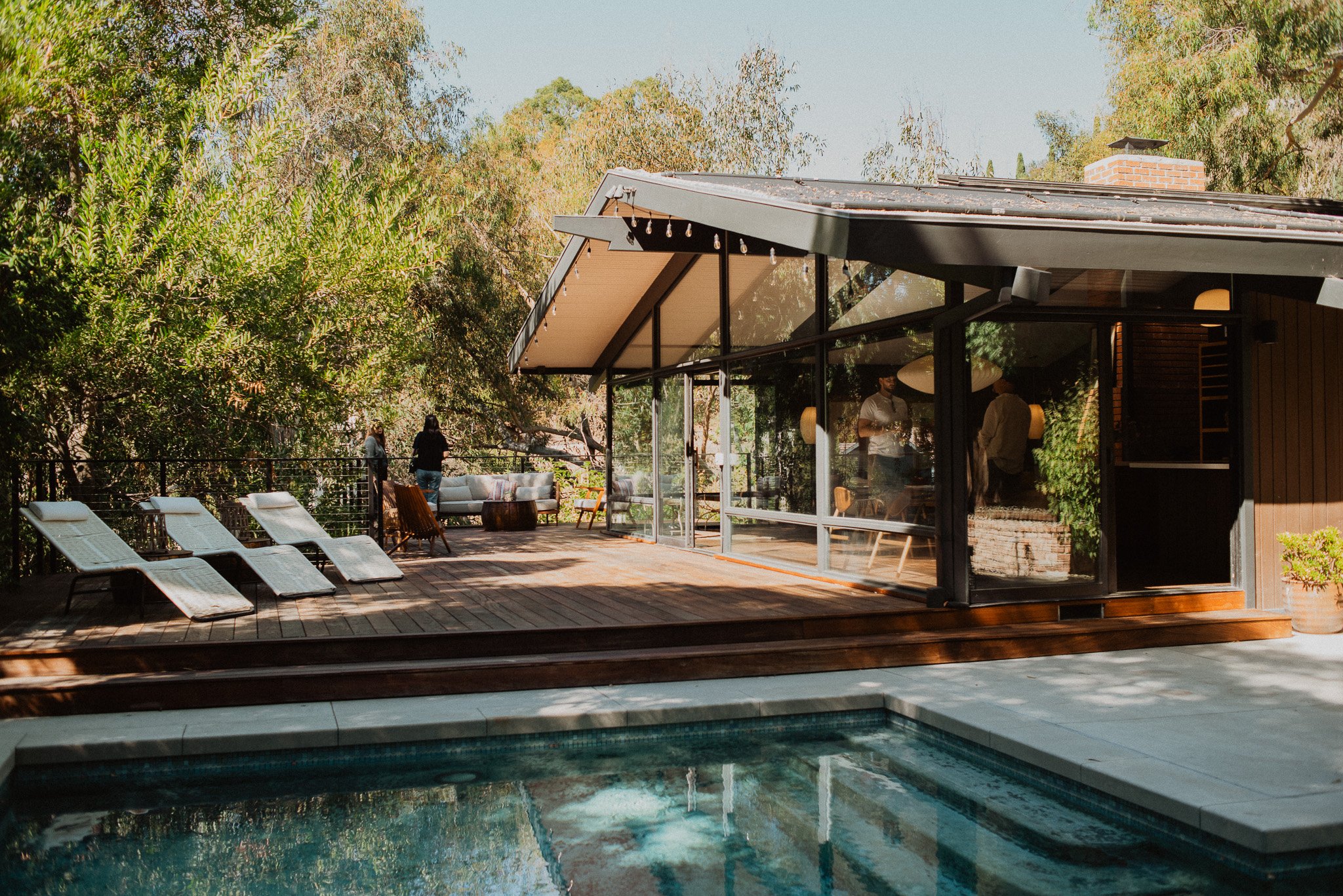
Listed by Teresa Fuller of Compass
Buying a home with a swimming pool in Pasadena can be a great choice if you'll actually use it and are comfortable with the ongoing expenses. A pool can make a backyard more enjoyable, especially during Pasadena's hot summers, but it also comes with maintenance, insurance, safety, and repair responsibilities. Before purchasing, consider getting a specialized pool inspection, reviewing maintenance records, checking permits, and obtaining estimates for any necessary repairs. A swimming pool may add value to a home, but that doesn't necessarily mean it's worth the additional expense for every buyer.
There's something pretty appealing about walking into the backyard of a Pasadena home and seeing a beautiful swimming pool.
Especially when it's the middle of August and the temperature is pushing 100 degrees.
Suddenly, you can picture yourself spending weekends outside, inviting friends over, or cooling off after a long day.
And honestly, I get it.
A well-designed pool can completely transform a backyard.
But whenever I'm showing a home with a swimming pool, I want buyers to look beyond how beautiful it is.
Because a pool isn't just a feature you enjoy.
It's also something you'll need to maintain, insure, and occasionally repair.
And if you're buying an older Pasadena home, that pool may have been installed decades ago.
So before you fall in love with the backyard, let's talk about what you should know.
Does a Swimming Pool Add Value to a Pasadena Home?
It can.
But the amount depends on the property, neighborhood, pool condition, and what buyers are looking for.
A beautifully maintained pool with attractive landscaping and plenty of outdoor living space may be a major selling point.
Especially on a property where the backyard feels like a private retreat.
But a small pool that takes up nearly the entire yard may not appeal to everyone.
And an older pool that needs substantial repairs could actually discourage some buyers.
I wouldn't assume that every pool adds a specific dollar amount to a home's value.
Instead, I'd want to look at comparable Pasadena homes with and without pools.
That gives us a better idea of how buyers in that particular price range are responding to the feature.
Are Pools Common in Pasadena?
You'll find swimming pools throughout Pasadena, particularly in neighborhoods with larger lots and established single-family homes.
Some are classic rectangular pools installed decades ago.
Others have been redesigned with modern finishes, spas, waterfalls, and outdoor entertaining areas.
And occasionally, you'll find an architecturally significant home where the pool was designed as part of the overall property.
Those can be especially interesting.
But the appeal of a pool varies by buyer.
Some people consider it a must-have.
Others immediately start calculating the maintenance costs.
And some would rather have the extra yard space.
There's no single answer that applies to everyone.
How Much Does It Cost to Maintain a Swimming Pool in Pasadena?
This is one of the first questions I'd recommend asking.
Pool ownership comes with recurring expenses.
You'll need to account for cleaning, chemicals, electricity, water, and occasional equipment repairs.
Some homeowners maintain their pools themselves.
Others hire a professional pool service.
For budgeting purposes, routine professional service may cost roughly $150 to $300 or more per month, depending on the pool, service frequency, and what's included.
But that's only part of the expense.
You may also have higher electricity bills from running the pump.
Heating a pool can add substantially more, depending on the heating system and how often you use it.
And equipment doesn't last forever.
Pumps, filters, heaters, and other components eventually need replacement.
Before buying, I'd want to review the seller's maintenance history and get a realistic idea of what ownership will cost.
Should I Get a Separate Pool Inspection?
Yes, I generally recommend considering one.
A standard home inspection may include a limited visual review of the pool area, but it may not cover every aspect of the pool and its equipment.
A specialized pool inspector can evaluate components that deserve closer attention.
That may include the pool shell, visible surfaces, plumbing, circulation system, pump, filter, heater, electrical equipment, and accessible safety features.
The inspection's scope will vary, so ask what's included.
And remember that even a specialized inspection may not identify every concealed problem.
But it's an important opportunity to learn about the pool before you're responsible for it.
What Are the Biggest Problems to Look for in an Older Pool?
Pasadena has plenty of older homes, and some have pools that have been around for decades.
An older pool isn't necessarily a problem.
But I'd want to pay attention to its condition.
Cracks in the pool shell.
Damaged plaster.
Loose or missing tile.
Leaks.
Aging plumbing.
Malfunctioning equipment.
And outdated electrical components.
Some issues are relatively minor.
Others can become expensive projects.
For example, replacing a pump may be manageable.
But repairing significant structural damage or replacing underground plumbing can be much more involved.
That's why I don't recommend judging a pool solely by how clear and blue the water looks.
How Do I Know If a Swimming Pool Is Leaking?
Sometimes there are visible clues.
The water level may drop unusually quickly.
There may be wet areas around the pool.
Or the seller may mention frequently adding water.
But evaporation can also cause water loss, especially during hot weather.
A pool inspection may identify concerns, but confirming a suspected leak may require specialized testing.
If there are signs of a problem, I'd recommend investigating before removing your inspection contingency.
I wouldn't assume a leak is minor until we understand where it's coming from and what repairs may involve.
Does the Pool Need to Be Resurfaced?
Possibly.
Many older in-ground pools have plaster or another interior finish that wears over time.
You might notice rough surfaces, staining, cracking, or areas where the finish is deteriorating.
Resurfacing can be a significant expense, especially if other repairs are needed at the same time.
Before purchasing, I'd want to know when the pool was last resurfaced and whether the seller has records.
If the finish appears near the end of its useful life, we can get an estimate from a qualified pool contractor.
That information may affect your overall budget and negotiations.
What About the Pool Equipment?
Pool equipment is easy to overlook because it's usually tucked away in a side yard or behind a wall.
But it's an important part of the system.
The pump circulates water.
The filter removes debris.
The heater, if there is one, warms the water.
And automation systems may control different functions.
I'd want to know how old the equipment is and whether it's operating properly.
A newer variable-speed pump, for example, may offer better energy efficiency than an older single-speed model.
But even relatively new equipment needs regular maintenance.
Ask for service records when available, and have a qualified inspector evaluate the system.
Can a Pool Increase My Homeowners Insurance?
It may.
Insurance companies can view swimming pools as an additional liability exposure.
Depending on the insurer, you may face requirements involving fencing, gates, diving boards, slides, or other safety features.
Coverage terms and premiums vary.
And some insurers may have restrictions or underwriting guidelines that affect whether they'll insure a particular property.
I recommend contacting your insurance agent early in the purchase process.
Don't wait until the final days of escrow to find out whether the pool creates a coverage issue.
What Are California's Swimming Pool Safety Requirements?
California has specific laws addressing residential swimming pool safety.
Under the California Swimming Pool Safety Act, certain new or remodeled residential pools and spas must have at least two qualifying drowning-prevention safety features, subject to the applicable statutory requirements.
Depending on the circumstances, qualifying features can include compliant enclosures, safety covers, alarms, and other approved measures.
However, the requirements depend on when the pool was constructed or remodeled, the type of work performed, and applicable local rules.
An existing older pool may not be subject to every requirement that applies to a newly constructed pool.
That doesn't mean safety should be overlooked.
I'd want to evaluate the property's existing barriers and ask the appropriate city department or qualified professional about applicable requirements.
What If I Have Young Children or Pets?
Then pool safety becomes especially important.
I'd pay attention to whether children or pets can access the pool area directly from the house or yard.
Are there appropriate barriers?
Do gates close and latch properly?
Are there alarms or other safety measures?
And can the pool area be secured when it's not in use?
Even with safety features, active supervision remains essential.
If you're buying a home with a pool and have young children, I'd encourage you to think carefully about the layout and whether additional safety improvements are needed.
Should I Check Whether the Pool Was Permitted?
Absolutely.
Just as I recommend reviewing permits for additions and major renovations, I'd want to investigate the pool's permit history.
Was the pool legally installed?
Were major alterations permitted?
Were inspections and final approvals completed where required?
If the pool was built many decades ago, records may be incomplete or difficult to locate.
But we should still make a reasonable effort to understand its history.
An unpermitted pool or unpermitted modifications may create questions involving safety, insurance, financing, or future improvements.
I'd rather investigate those issues before closing.
Can I Remove a Swimming Pool If I Don't Want It?
Potentially, yes.
Some buyers love a house but have no interest in maintaining the pool.
They may consider removing it and creating a larger yard.
But pool removal is a substantial project.
Depending on the method, it can involve demolition, filling, grading, drainage work, permits, and inspections.
There are also differences between partial removal and complete removal.
Those differences can affect future use of the land and may need to be disclosed when the property is sold.
If removing the pool is part of your plan, I'd recommend consulting the City of Pasadena and qualified contractors before purchasing.
Don't assume it will be inexpensive or straightforward.
Is a Pool Worth It If I Only Use It Occasionally?
That's a personal decision.
If you swim regularly, entertain often, or have family members who love being in the water, a pool may be worth the expense.
But if you only imagine using it a few times each summer, the maintenance costs may feel harder to justify.
I like to ask buyers how they actually spend their free time.
Not how they imagine they'll spend it in the perfect version of their lives.
If you're someone who loves gardening, entertaining on a patio, or having a large grassy yard, you may prefer a property without a pool.
But if swimming is part of your lifestyle, it could be one of your favorite features.
What If the Pool Takes Up Most of the Backyard?
That's worth thinking about.
A pool can be beautiful, but it also changes how you use the outdoor space.
If the property has a small lot, the pool may leave little room for a lawn, garden, or other activities.
And if you have children or pets, you may want more usable yard space.
On the other hand, some buyers specifically want a low-maintenance outdoor area centered around a pool and patio.
The right layout depends on your priorities.
I'd encourage you to look at the entire backyard rather than focusing only on the pool.
What About a Pool in a Historic Pasadena Home?
This can be especially interesting.
Some historic and architecturally significant Pasadena homes have pools that complement the original design.
Others have pools that were added much later.
If the property is designated historic or located in a regulated historic district, certain exterior alterations may require additional review.
That could affect plans to redesign the pool area, change hardscaping, or make other improvements.
I'd want to investigate the property's designation and applicable requirements before assuming you can make major changes.
Will a Pool Make My Home Harder to Sell Later?
It might appeal to a narrower group of buyers, depending on the property.
Some buyers specifically search for homes with pools.
Others exclude them entirely.
That means the resale impact isn't always straightforward.
In certain neighborhoods and price ranges, a pool may be an attractive amenity.
In others, buyers may prefer additional yard space.
The condition of the pool matters too.
A beautifully maintained pool may be a selling point.
A neglected pool needing expensive repairs may be a concern.
If you're considering a home with a pool, I'd want to understand how similar properties have performed in that part of Pasadena.
Should I Ask the Seller for a Credit if the Pool Needs Repairs?
Possibly.
If a pool inspection identifies significant issues, we can evaluate the options.
Maybe the seller agrees to complete certain repairs.
Maybe a price adjustment makes sense.
Or perhaps a seller credit would help with allowable closing costs, subject to lender requirements.
The appropriate strategy depends on the inspection findings, contract terms, and overall negotiations.
I wouldn't automatically ask for a large credit simply because the pool is old.
But if there are documented problems, I want you to understand the likely costs before deciding how to proceed.
What If the Seller Doesn't Have Pool Maintenance Records?
That isn't necessarily a dealbreaker.
Some homeowners use the same pool service for years without keeping detailed paperwork.
Others maintain their pools themselves.
But if records are unavailable, I'd place more emphasis on the current condition and a thorough inspection.
We can ask about the age of the equipment, previous repairs, resurfacing, and any known leaks.
And if the answers are uncertain, we may need additional evaluation.
The goal is to avoid surprises after closing.
Frequently Asked Questions
Is buying a house with a pool in Pasadena a good investment?
It can be, depending on the purchase price, property condition, neighborhood, and your personal use. A pool may add value, but it also creates ongoing expenses.
How much does pool maintenance cost in Pasadena?
Routine professional service may cost roughly $150 to $300 or more per month, depending on the pool and services included. Utilities, heating, repairs, and equipment replacement are additional expenses.
Do I need a pool inspection before buying a house?
It's generally a good idea. A specialized pool inspection can evaluate components that may not be fully covered by a standard home inspection.
Does a swimming pool increase homeowners insurance?
It can. Insurers may have additional underwriting or safety requirements, so obtain insurance information early in the purchase process.
Does California require a fence around every swimming pool?
Requirements vary by the pool's age, construction or remodeling history, and applicable laws. Certain new or remodeled pools must have qualifying safety features. Check the specific property's requirements.
Can I remove a pool after buying a house?
Potentially, but removal generally involves permits, contractors, and significant expense. Investigate the process before purchasing if removal is part of your plan.
Does a pool increase resale value in Pasadena?
It can, but the impact depends on the property, neighborhood, condition, and buyer demand. There's no universal percentage or dollar amount.
So What's the Next Step?
If you're considering buying a Pasadena home with a swimming pool, I wouldn't automatically consider it a bonus or a drawback.
I'd want to understand the pool's condition, maintenance history, and what ownership will realistically cost.
We'll review the available information, discuss a specialized inspection, and investigate any concerns before you make your final decision.
And I'd encourage you to think about how you'll actually use the space.
Because a beautiful pool is wonderful if you're going to enjoy it.
But if you'd rather have a big grassy yard, it might not be the feature you want to pay for.
I've been helping buyers throughout Pasadena and the San Gabriel Valley since 2007, and I always want my clients to look beyond the listing photos.
Sometimes the most important questions are about the roof, foundation, or sewer line.
And sometimes they're about that gorgeous swimming pool in the backyard.
If you're considering a Pasadena home with a pool, I'd be happy to help you evaluate the property, coordinate inspections, and understand the costs before moving forward.