Should I Buy a Home on a Busy Street in Pasadena?
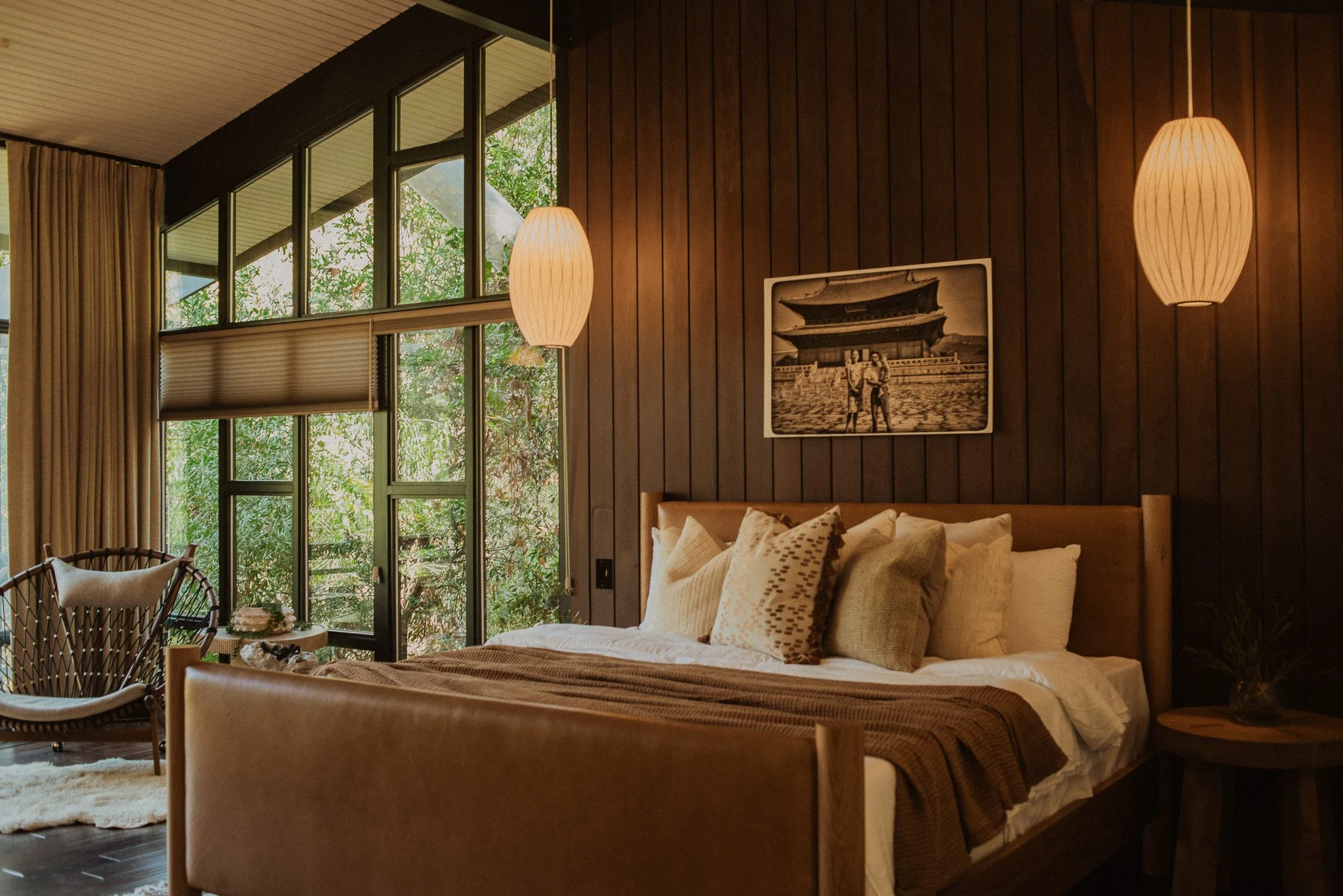
Listed by Teresa Fuller of Compass
Buying a home on a busy street in Pasadena can be a smart decision if the price reflects the location and you're comfortable with the trade-offs. Homes on busier roads may sell for less than comparable properties on quiet residential streets, but the difference varies by property and market conditions. Before purchasing, evaluate traffic noise, driveway access, pedestrian safety, privacy, and future resale appeal. Visit the home at different times of day and compare recent sales on similar streets before making an offer.
You're searching for a home in Pasadena, and you finally find one that checks almost every box.
It's a beautiful 1920s Spanish home with original details, a remodeled kitchen, and a backyard that's actually big enough to enjoy.
And the price?
Surprisingly reasonable.
Then you pull up to the property and realize it's on a busy street.
Suddenly, that attractive asking price makes a little more sense.
Now you're wondering whether the location is something you can live with or something you'll regret.
I think this is one of the more interesting decisions buyers face, especially in Pasadena, where you'll find beautiful older homes along both quiet neighborhood streets and major thoroughfares.
The answer isn't always obvious.
I've seen homes on busy streets that feel surprisingly peaceful once you're inside. And I've seen others where the traffic is difficult to ignore.
The important thing is figuring out which situation you're dealing with before you buy.
Why Are Homes on Busy Streets Sometimes Less Expensive?
Location is one of the biggest factors affecting real estate value.
Two homes can have similar square footage, bedroom counts, lot sizes, and architectural styles, but sell for different prices because of where they're located.
A quiet residential street with little through traffic may appeal to a wider group of buyers.
A home on a major road may have a smaller pool of interested buyers because of concerns about noise, privacy, and safety.
That difference in demand can affect the price.
But I wouldn't assume every busy-street home comes with a huge discount.
Some properties have larger lots, attractive views, desirable architecture, or convenient access to neighborhood amenities that help offset the location.
And the amount of any price adjustment depends on comparable sales and buyer preferences.
What Counts as a Busy Street in Pasadena?
There's a big difference between a neighborhood street that gets a little extra traffic during school pickup and a major road carrying vehicles throughout the day.
Pasadena has several well-traveled corridors, including stretches of Colorado Boulevard, Orange Grove Boulevard, Lake Avenue, and Allen Avenue.
But even along the same road, traffic conditions and residential settings can vary.
A home set far back from the street behind mature landscaping may feel very different from one where the front door is just a few feet from the sidewalk.
I want to evaluate the actual property, not just the street name.
How Much Does Traffic Noise Matter?
This is usually the first concern buyers mention.
And it's a valid one.
Traffic noise can affect how comfortable you feel in the house, especially if bedrooms face the street or you enjoy spending time outdoors.
But the amount of noise you'll hear depends on several things.
The distance between the house and the road.
The speed of passing vehicles.
The number of trucks and buses.
The windows and insulation.
The layout of the home.
And whether the property has walls, landscaping, or other features that help reduce noise.
I've toured homes where the front yard was noticeably loud, but the backyard was surprisingly quiet.
I've also toured properties where traffic noise carried throughout the house.
That's why I recommend spending time inside and outside the home rather than making a decision from the listing photos.
Should I Visit the House During Rush Hour?
Absolutely.
This is one of the easiest and most useful things you can do.
If you tour a home at 11 a.m. on a Tuesday, you may experience very different traffic conditions than you would at 5:30 p.m.
I recommend visiting at different times when possible.
Try a weekday morning.
An afternoon commute.
And a weekend.
Stand in the front yard.
Spend a few minutes in the backyard.
Open the windows.
And pay attention to the sound inside the bedrooms.
You may discover that the noise doesn't bother you at all.
Or you may realize it's something you don't want to live with every day.
Either answer is useful.
What About Privacy?
Privacy is another consideration.
If the home sits close to the street, pedestrians and passing drivers may have a direct view into the front windows.
This can be especially noticeable in older Pasadena homes with large picture windows or front-facing living rooms.
But there are ways to improve privacy.
Landscaping.
Fencing, where permitted.
Window treatments.
And thoughtful use of outdoor spaces.
I like to look at how the home is positioned on the lot.
A property with a deep setback and mature hedges may feel quite private despite the traffic.
A house with a shallow front yard may be more exposed.
The location of the backyard matters too.
If most of your outdoor living space is behind the house, the street may have less impact on your daily life.
Is It Dangerous to Live on a Busy Street?
There are safety considerations worth evaluating.
If you have young children or pets, you may be concerned about traffic near the front yard.
Backing out of the driveway can also be more difficult when vehicles are moving quickly or visibility is limited.
I pay particular attention to driveway access.
Can you pull forward out of the property?
Is there enough room to turn around?
Are parked cars blocking visibility?
Is there a median that limits turning movements?
And how difficult is it to enter or exit during busy periods?
These are practical issues that can affect your daily routine.
If you plan to live in the house for many years, small inconveniences can become more noticeable over time.
What If the House Has a Detached Garage?
Many older Pasadena homes have detached garages located toward the rear of the lot.
Sometimes that means a long driveway running alongside the house.
Depending on the layout, you may have room to turn your car around before exiting.
That's a real advantage on a busy street.
But not every property offers that flexibility.
I want to see how parking and access actually work.
A beautiful garage doesn't help much if getting in and out of it is frustrating every day.
Will a Busy Street Affect My Home's Resale Value?
It can.
This is one of the biggest reasons I encourage buyers to think beyond their immediate needs.
You may be perfectly comfortable living on a busy street.
But when you eventually sell, some buyers may rule out the property because of its location.
That can affect demand, pricing, and potentially the time it takes to sell.
However, the street's influence on value should already be reflected, at least to some extent, in what you pay today.
The key is making sure you aren't paying the same price you would for an otherwise comparable home on a quieter street.
I want to look at actual comparable sales and understand how buyers have responded to similar locations.
How Much Less Should I Offer for a House on a Busy Street?
There's no universal percentage.
You may hear people say a busy street automatically reduces a home's value by 10% or 15%.
But I wouldn't apply a blanket discount like that.
The difference depends on the road, traffic levels, property layout, neighborhood, and available alternatives.
A home on a moderately traveled street may experience a relatively small adjustment.
A property directly exposed to heavy traffic may face a larger one.
The best approach is to compare similar homes with different street exposures.
We can look at recent sales, property condition, lot characteristics, and other differences to determine a reasonable offer.
Can I Improve the Noise Problem After Buying?
Sometimes.
Certain improvements may reduce the amount of traffic noise entering the home.
For example, upgrading windows, improving weatherstripping, or adding insulation may help with interior sound.
But results depend on the construction and the source of the noise.
And outdoor noise is harder to eliminate.
A solid wall or carefully designed landscape barrier may help in some situations, but it won't necessarily make a backyard silent.
I wouldn't buy a home assuming that a few improvements will completely solve the problem.
If noise is a major concern, it's worth consulting a qualified professional before committing to expensive modifications.
What About Air Quality?
Homes near heavily traveled roads can experience greater exposure to traffic-related air pollution.
The level of exposure depends on traffic volume, vehicle types, distance from the roadway, weather, and other factors.
This may be particularly important to buyers with young children or household members who are sensitive to air pollution.
If you're considering a property along a major corridor, it's reasonable to investigate the surrounding environment.
You can also explore information from public agencies and discuss any health-specific concerns with an appropriate professional.
I wouldn't assume every home on a busy street has the same exposure.
But it's something worth considering alongside noise and safety.
Are There Any Advantages to Living on a Busy Street?
There can be.
The most obvious is price.
A property with an otherwise desirable location and features may be more affordable because of its street exposure.
That could allow you to purchase a larger home or a property with architectural details you couldn't afford on a quieter street.
Some busy-street homes are also conveniently located near restaurants, shopping, public transportation, and other amenities.
And certain properties have larger lots or layouts that make the street less noticeable.
For the right buyer, those advantages may outweigh the drawbacks.
What If I Love the Architecture?
This is where things get interesting for me.
Pasadena has some incredible historic and architecturally significant homes.
Craftsman.
Spanish Colonial Revival.
Mid-century modern.
And plenty of unique properties that don't fit neatly into one category.
Sometimes the house you fall in love with happens to be on a busier street.
And maybe finding that same architecture, square footage, and condition on a quiet street would cost significantly more.
I wouldn't automatically dismiss the property.
But I would want you to understand the trade-off you're making.
A beautiful house is wonderful.
You just have to be comfortable with where it sits.
Should I Buy a Busy-Street Home as an Investment Property?
That depends on your investment goals and the property's numbers.
Some renters may prioritize convenience, access to transportation, or proximity to employment over having a quiet street.
Others may strongly prefer a quieter location.
If you're evaluating the property as a rental, I'd want to review realistic rental income, expenses, tenant demand, and applicable local regulations.
The lower purchase price could potentially improve the investment calculation.
But the location may also affect rental appeal and future resale.
I wouldn't assume a busy street is automatically a good or bad investment.
The numbers need to work.
What If the House Is Near a Freeway?
That's a somewhat different situation.
A property near a freeway may experience ongoing traffic noise, vibration, or air quality concerns, depending on its exact location.
And freeway proximity can affect resale appeal.
I'd want to spend time at the property and investigate the surrounding environment carefully.
If you're considering a home near the 210, 110, or 134 corridors, for example, the experience can vary substantially depending on distance, elevation, barriers, and property orientation.
Don't rely solely on what the map looks like.
Visit the home and see how it feels.
Should I Be Concerned About Future Road Changes?
It's worth investigating if the property's location makes this relevant.
Traffic patterns can change over time.
Road improvements, nearby development, transit projects, and other changes may affect vehicle activity.
I wouldn't assume a quiet street will always remain quiet.
And I wouldn't assume a busy street will necessarily get worse.
If a property sits along a major corridor or near a planned project, we can look into available city planning and transportation information.
That won't predict every future change, but it can help identify known proposals.
How Do I Decide Whether the Lower Price Is Worth It?
I like to think about this in two parts.
First, the financial side.
Is the home priced appropriately compared with similar properties?
Are you getting meaningful value for the location trade-off?
Will the house still fit your budget if you make improvements to address privacy or noise?
And are you comfortable with the potential impact on resale?
Second, the lifestyle side.
Can you enjoy the backyard?
Will you be comfortable sleeping in the front bedrooms?
Is the driveway practical?
Do you feel safe walking around the property?
And does the location work for your daily routine?
A lower price doesn't automatically make a house a good deal.
It has to be a house you actually want to live in.
Frequently Asked Questions
Is it a bad idea to buy a house on a busy street?
Not necessarily. A busy-street home can offer good value if the price reflects the location and you're comfortable with traffic, noise, privacy, and access.
Are homes on busy streets harder to sell?
They can appeal to a smaller pool of buyers, which may affect resale pricing and marketing time. The impact depends on the specific property and market conditions.
How much does a busy street reduce home value?
There's no standard percentage. The adjustment depends on traffic conditions, the home's layout, neighborhood, and comparable sales.
Can new windows reduce traffic noise?
Certain window improvements can help reduce interior noise, but results vary. They won't necessarily eliminate outdoor noise or all sound entering the house.
Should I visit a house during rush hour before buying?
Yes. Visiting at different times can help you evaluate traffic, noise, driveway access, and how comfortable the property feels.
Is a house near a freeway a good investment?
It depends on the purchase price, rental or resale demand, and the property's specific exposure to traffic-related concerns.
So What's the Next Step?
If you're considering buying a Pasadena home on a busy street, I wouldn't immediately rule it out.
But I also wouldn't ignore the location simply because the house is beautiful or the asking price is attractive.
I'd want to compare it with similar properties on quieter streets.
Then I'd encourage you to visit at different times of day and really pay attention to how the property feels.
Spend time in the backyard.
Listen to the traffic from the bedrooms.
Try the driveway.
And think about what living there would actually be like.
Because buying a home isn't just about what you see during a 20-minute showing.
It's about the experience of living there every day.
After nearly 20 years helping buyers throughout Pasadena and the San Gabriel Valley, I've learned that every property comes with trade-offs.
Sometimes it's an older kitchen.
Sometimes it's a smaller yard.
And sometimes it's the street.
The goal isn't necessarily to find a home with absolutely no compromises.
It's to find one where the compromises make sense for you.
If you're considering a home in Pasadena and aren't sure whether the location is worth the price, I'd be happy to help you evaluate comparable sales, investigate the property, and decide whether it's the right fit.