Should I Buy a Home in a Historic District in Pasadena?
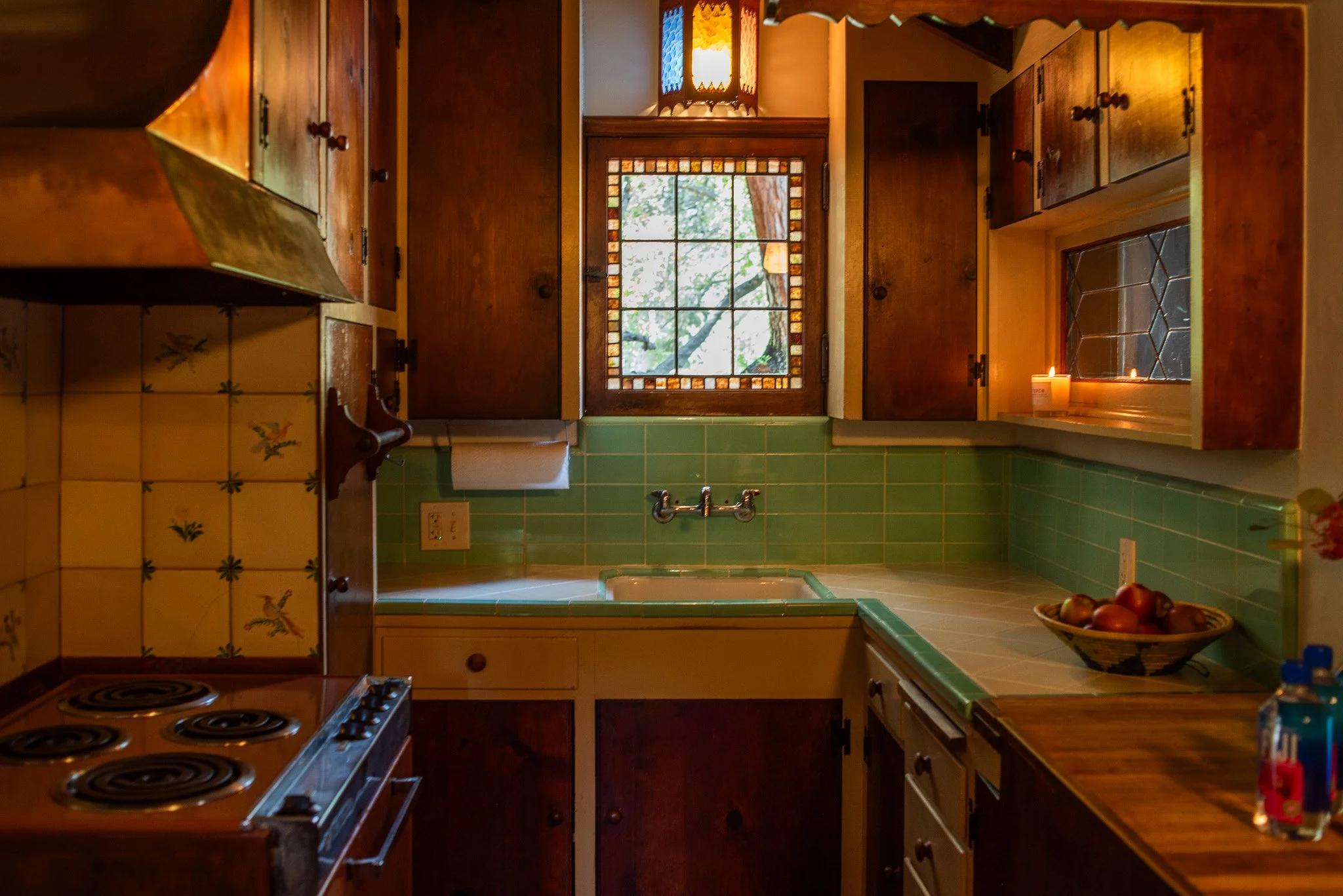
Listed by Bryoony Atkinson of MaisonRe
Buying a home in a Pasadena historic district does not mean you're prohibited from updating or remodeling it. However, certain exterior changes, additions, demolition, and new construction may require historic preservation review and a Certificate of Appropriateness before you can obtain a building permit. Interior remodeling, paint colors, landscaping, solar panels, routine maintenance, and some work that isn't visible from the street are generally exempt from that historic review.
Pasadena has some incredible old houses.
Craftsman.
Spanish Revival.
Tudor.
Mid-century.
Bungalows.
Homes with original built-ins, beautiful windows, old tile, incredible woodwork, and details you just don't get in most new construction.
Then you find one you love and notice something in the listing:
“Located in a historic district.”
And immediately:
“Wait. Does that mean I can't change anything?”
Not exactly.
But if you're buying a historic property in Pasadena, I definitely want you understanding what you're buying before you start mentally replacing windows and adding 1,000 square feet.
What Does It Mean to Live in a Pasadena Historic District?
Pasadena has designated historic and landmark districts intended to preserve the architectural and historic character of particular areas.
That doesn't mean every house is frozen in time.
Pasadena's own guidance says landmark district designation does not affect the use or sale of the property.
What it does affect are certain proposed changes, including demolition, exterior alterations visible from the street, and new construction. Those projects can require a Certificate of Appropriateness before a building permit is issued.
So:
Can you buy it? Yes.
Can you sell it later? Yes.
Can you remodel it? Yes.
But depending on what you're planning, there may be another layer of review.
What Is a Certificate of Appropriateness?
It sounds much more intimidating than it needs to.
A Certificate of Appropriateness is the City's approval confirming that a proposed change to a historic resource meets the applicable historic preservation standards and design guidelines.
For projects requiring one, you generally need that approval before moving forward with the building permit.
Minor projects can be reviewed by City staff.
Major alterations can require review by Pasadena's Historic Preservation Commission.
So if you're buying a historic house with plans to make significant exterior changes, I want us researching that before you assume your renovation will be approved exactly as imagined.
Can I Remodel the Interior?
Generally, yes.
Pasadena specifically lists interior alterations among the types of work exempt from Certificate of Appropriateness review in landmark districts.
That surprises a lot of buyers.
Buying a historic home does not automatically mean:
“You can never change the kitchen.”
You may still need ordinary building permits for the work, of course.
But historic preservation review and building permit requirements are two different things.
If you want to:
Update a kitchen.
Remodel a bathroom.
Change flooring.
Upgrade plumbing.
Upgrade electrical.
Reconfigure certain interior spaces.
Historic district status does not automatically prohibit those projects.
The normal permit and building-code rules may still apply.
Can I Paint the House a Different Color?
Pasadena lists paint colors and stains among the items exempt from Certificate of Appropriateness review in historic and landmark districts outside the Central District.
So no, buying a historic house doesn't necessarily mean someone at City Hall chooses your paint color.
That's one myth we can put to rest.
What About Replacing the Windows?
Now we're getting into an area I want buyers to investigate carefully.
Window replacement is specifically listed by Pasadena as one of the types of changes commonly reviewed in a landmark district.
And this can matter.
You may look at beautiful original wood windows and think:
“First thing I'm doing is ripping these out and putting in new vinyl windows.”
Not so fast.
Historic preservation guidelines generally emphasize retaining character-defining features and repairing deteriorated historic materials when feasible rather than automatically replacing them. Pasadena evaluates historic projects using the Secretary of the Interior's Standards along with its own historic district design guidelines.
That doesn't mean windows can never be replaced.
It means the design, materials, visibility, condition, and historic significance may matter.
Can I Add Onto a Historic Pasadena Home?
Potentially.
Historic designation doesn't automatically prohibit additions.
But this is exactly the type of project where I want to do more research before buying.
Pasadena's standards allow additions and new construction when designed in a way that protects the historic character of the property. New work should be compatible with the historic building without destroying the materials and features that give it its significance.
So if your entire purchase plan is:
“This house is only 1,400 square feet, but we'll add 1,500 square feet immediately.”
Let's investigate that before writing the offer.
Don't buy the house assuming the addition is a guarantee.
What About Building an ADU?
This is another good question.
ADUs can still be possible on properties in Pasadena historic districts.
The City's current ADU rules specifically allow several types of ADUs in historic districts, although visibility from the public right-of-way can affect what is permitted for certain new attached and detached ADUs.
So historic district does not automatically mean:
“No ADU.”
But the location and design may matter.
If rental income, multigenerational living, or an ADU is a major reason you're considering the property, I want to verify what's possible for that particular lot before you buy.
Can I Put Solar Panels on a Historic Home?
Pasadena lists installation of solar panels as exempt from Certificate of Appropriateness review in landmark districts.
Again, other permitting and installation requirements can still apply.
But historic designation by itself doesn't mean you have to give up on solar.
Can I Change the Landscaping?
Generally, landscaping is also exempt from Certificate of Appropriateness review under Pasadena's historic preservation rules, subject to other applicable city regulations.
So buying in a historic district doesn't mean the rose bush planted in 1952 is legally yours forever.
Can I Build a New Fence?
This is where the details start to matter.
Pasadena's current Certificate of Appropriateness guidance identifies new fences, walls, retaining walls, and driveway gates in historic or landmark districts as projects that can fall within historic review.
Why?
Because these are visible features that can affect the character of the streetscape.
This is the general pattern I want buyers to understand:
The more visible your project is from the street and the more it changes the historic character of the property, the more likely historic review becomes relevant.
Can I Replace the Garage?
Potentially, but don't assume you can demolish an old garage and build whatever you want.
Pasadena's current review guidelines specifically address demolition and alteration of certain garages and accessory structures in historic districts, along with construction of new accessory structures.
This becomes especially important if your future plan involves:
Garage conversion.
New garage.
ADU.
Garage plus ADU.
Major backyard redevelopment.
Let's understand the existing structure and applicable rules first.
Does Every House in a Historic District Have the Same Restrictions?
No.
This is a very important point.
A property may be:
An individually designated landmark.
A contributing property within a historic district.
A non-contributing property within a district.
Individually listed in the National Register.
Potentially eligible for historic designation.
Or subject to other preservation rules.
Those distinctions can affect how proposed work is reviewed.
Pasadena's historic preservation program evaluates both individual resources and districts, and its current citywide survey also identifies properties and areas that may be eligible for future historic designation.
So I don't want to hear:
“My friend's house is in a historic district and they did it.”
Great.
Let's research your house.
What Does "Contributing Property" Mean?
Generally, a contributing property is one that helps establish the historic or architectural significance of the district.
Maybe the home was built during the district's significant period.
Maybe it retains important architectural characteristics.
A non-contributing property may have been built later or altered enough that it doesn't contribute to the district in the same way.
That distinction can matter when proposed changes are reviewed.
It's another reason I want the property's historic status identified rather than simply knowing it's somewhere inside a district boundary.
Am I Required to Restore the House?
No.
This is one of my favorite clarifications from the City of Pasadena.
The City specifically says that simply owning a house in a landmark district does not require you to restore it to its original appearance.
You're not automatically required to:
Rebuild a missing historic feature.
Remove later additions.
Or add something just to make the property appear more historic.
That's very different from:
“You bought a historic house, so now you have to restore it.”
You don't.
What If I Just Want to Maintain the House?
Routine maintenance is generally exempt from historic preservation review.
Historic preservation isn't supposed to prevent you from taking care of your house.
In fact, maintenance is usually exactly what everyone wants.
The issues become more significant when you're materially changing character-defining features, demolishing historic elements, or adding new visible construction.
What If the House Already Has Changes That Don't Look Original?
This is something I want to investigate during escrow.
Maybe someone previously:
Changed windows.
Enclosed a porch.
Built an addition.
Changed exterior materials.
Added a garage.
Altered the roofline.
That doesn't automatically mean anything was done incorrectly.
But I want to know:
When was it done?
Was it permitted?
Was historic approval required?
Was approval obtained?
If you're buying an old house, permit research becomes very useful.
Does Historic Status Make Renovations More Expensive?
It can.
Not because the City sends you a special historic-house surcharge.
But preserving or replicating historic materials and details can sometimes cost more than using standard modern replacements.
Custom wood windows may cost more than basic vinyl windows.
Repairing original millwork may cost more than removing it.
Working with an architect or preservation professional may add design expense.
Additional review can add time.
That doesn't make a historic home a bad purchase.
I simply want you budgeting realistically.
Could Historic Review Slow Down My Remodel?
Potentially.
A standard remodel already involves planning, contractors, permits, and inspections.
If your project also requires historic preservation review, you should account for that process in your timeline.
Pasadena says minor historic projects can be reviewed by staff while major projects are reviewed by the Historic Preservation Commission.
If your dream is:
Close escrow Friday. Start demolishing Monday.
Historic house or not, that's probably not the best renovation strategy.
Are There Any Financial Benefits to Owning a Historic Property?
Potentially.
One of the most interesting is the Mills Act.
Pasadena participates in California's Mills Act Historic Property Contract Program.
Under the program, the City can enter into contracts with qualifying historic-property owners who agree to rehabilitate, restore, and maintain the property according to historic preservation standards. In exchange, the program can provide a property-tax incentive.
That can be a meaningful benefit.
But don't buy a house assuming:
“It's historic, so I'll get a tax break.”
That's not how it works.
Does Every Historic House Qualify for the Mills Act?
No.
Eligibility requirements apply.
Pasadena's program is available to certain designated historic properties, including designated landmarks, historic monuments, qualifying Greene and Greene properties, individually listed National Register properties, and contributing properties within qualifying designated districts.
There is also an application process.
So if a listing advertises:
“Potential Mills Act savings!”
I want to verify what that actually means.
Potential isn't the same as approved.
What If the Property Already Has a Mills Act Contract?
Then I want to review it.
The Mills Act isn't simply a coupon attached to the house.
The property owner agrees to rehabilitation, restoration, and maintenance obligations as part of the historic property contract.
If you're buying a property with an existing contract, I want you understanding those obligations and the property's maintenance plan before closing.
The tax benefit is great.
But read the other side of the agreement too.
Are Historic Homes Harder to Insure?
Not necessarily because they're historic.
But remember what we talked about in our homeowners insurance article.
The property's:
Age.
Roof.
Electrical system.
Plumbing.
Construction.
Replacement cost.
Location.
And other characteristics can affect insurance availability and pricing.
Historic details can also be expensive to reproduce.
So if you're buying an older architectural home, I want an actual insurance quote during escrow rather than assuming your premium.
Should I Get a Specialized Home Inspection?
Sometimes.
An inspector who is familiar with older homes can be extremely helpful.
A 1912 Craftsman should not necessarily be evaluated mentally like a 2024 new build.
Older Pasadena homes may have:
Older electrical systems.
Original foundations.
Old plumbing.
Historic windows.
Past additions.
Crawlspaces.
Chimneys.
Old roofs.
Termite or wood damage.
Previous retrofits.
The question isn't:
“Is everything new?”
Obviously it isn't.
The question is:
“What condition is everything in, and what will I need to deal with?”
Don't Confuse "Old" With "Bad"
This is important.
I love old houses.
A 100-year-old home isn't automatically a problem.
Some have incredible materials and craftsmanship.
Some have been beautifully maintained.
Some have had thoughtful updates over decades.
Others haven't.
The year built is information.
It isn't a home inspection.
But Don't Confuse "Historic" With "Perfect" Either
The other mistake is falling so deeply in love with the architecture that you stop investigating the house.
Original windows?
Beautiful.
Also inspect them.
Original hardwood?
Amazing.
What's underneath it?
Gorgeous chimney?
Let's inspect that too.
Historic designation doesn't tell us the physical condition of the property.
We still do our due diligence.
Should I Buy a Historic Pasadena Home If I Want to Remodel Heavily?
Maybe.
But this is where we need to be especially thoughtful.
If your dream is:
Keep the original architecture.
Restore the windows.
Update the kitchen.
Modernize the systems.
Add a thoughtfully designed rear addition.
You may be a great fit for a historic home.
If your dream is:
Remove every original feature.
Change the entire street-facing façade.
Replace all the windows with something completely different.
Tear off the porch.
Build a giant addition that dominates the original house.
Then maybe a designated historic property isn't the best canvas for that project.
There are plenty of houses where you'll have more flexibility.
Let's buy the right one for what you're trying to accomplish.
The House Should Fit Your Plans
This is ultimately what I care about.
Sometimes buyers become so focused on winning the house that they forget to ask whether the property works for their future plans.
Before buying a historic Pasadena home, tell me what you're imagining.
Do you want an ADU?
Addition?
Pool?
New garage?
Replacement windows?
Solar?
Major interior reconfiguration?
Are you buying because you love the original architecture?
Or because you think you can completely transform it?
Those answers matter.
Frequently Asked Questions
Can I remodel a home in a Pasadena historic district?
Yes.
Historic designation doesn't prohibit remodeling. However, certain exterior alterations, additions, demolition, and new construction can require a Certificate of Appropriateness. Interior alterations are generally exempt from historic preservation review.
Can I replace windows on a historic Pasadena home?
Potentially, but window replacement is one of the exterior changes Pasadena specifically identifies as commonly subject to historic review. The appropriate solution depends on the property, existing windows, proposed replacements, and applicable preservation standards.
Can I change the paint color on a historic house in Pasadena?
Paint colors and stains are generally exempt from Certificate of Appropriateness review in Pasadena's historic and landmark districts outside the Central District.
Can I build an ADU in a Pasadena historic district?
Potentially, yes.
Pasadena's current ADU regulations allow ADUs in historic districts, although additional location and visibility requirements can apply depending on the type of ADU and property.
Do I have to restore a historic Pasadena home after I buy it?
No.
Pasadena specifically says landmark district ownership does not require you to restore missing historic features, remove later features, or make the property appear more historic.
Do historic homes in Pasadena get a property tax break?
Not automatically.
Qualifying historic properties may be eligible for Pasadena's Mills Act Historic Property Contract Program, which can provide a property-tax incentive in exchange for contractual rehabilitation, restoration, and maintenance obligations.
What is a Certificate of Appropriateness in Pasadena?
It's an approval confirming that proposed work on a historic resource complies with applicable historic preservation standards and guidelines. When required, the certificate must generally be obtained before the related building permit.
So What's the Next Step?
If you send me a Pasadena listing and say:
“I LOVE this house, but it says it's in a historic district. Is that bad?”
My answer isn't going to be:
Yes.
And it isn't going to be:
Don't worry about it.
We're going to figure out what the designation actually means for that property.
Is the house individually designated?
Is it part of a historic or landmark district?
Is it contributing or non-contributing?
Is there a Mills Act contract?
What work has already been permitted?
What are you hoping to change?
Do you want an addition?
ADU?
New windows?
Garage?
Major exterior remodel?
Then we can compare your plans with the City's current rules.
Pasadena's preservation program is not designed to prevent historic homes from changing. The City's own guidelines recognize that buildings need to accommodate modern needs while protecting the features that give historic properties and neighborhoods their character.
And personally, that's part of what makes these houses so interesting.
You're not buying a brand-new blank box.
You're buying something that has already been around for generations.
I want you to preserve the things that made you fall in love with it while still making sure the house works for the way you actually live.
After nearly 20 years helping buyers throughout Pasadena and the San Gabriel Valley, I've toured a lot of old houses. Some are incredible opportunities. Some are incredible projects. And occasionally they're both.
If you're considering a historic or architecturally significant Pasadena home, I'd be happy to help you research the property, permits, historic status, inspections, and the practical questions that should be answered before you commit to the purchase.