Should I Buy a Pasadena Home With a Detached Garage?
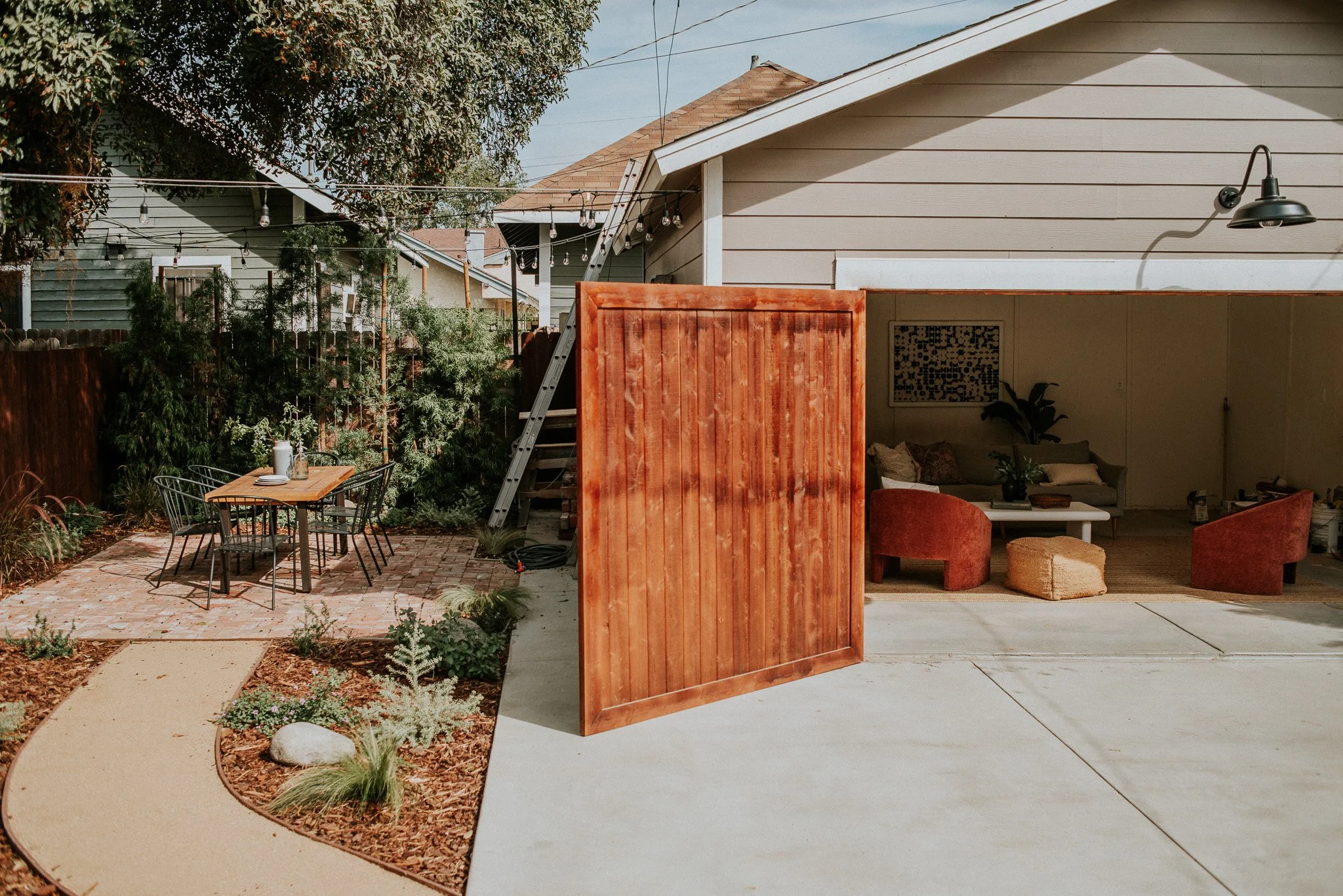
Buying a Pasadena home with a detached garage can be a great option, especially if you're interested in older or architecturally interesting properties. Detached garages are common in many of Pasadena's established neighborhoods and can provide parking, storage, workshop space, or potential for an accessory dwelling unit (ADU). However, buyers should evaluate the garage's structural condition, electrical systems, access, permits, and how the space fits their daily needs. A detached garage isn't necessarily a disadvantage, but there are a few things worth investigating before purchasing.
One of the things I love about Pasadena is the variety of older homes and the architectural details that come with them.
Beautiful Craftsman bungalows, Spanish-style homes, traditional properties, and some wonderful mid-century architecture.
And one feature you'll see quite often in Pasadena's older neighborhoods is a detached garage.
Sometimes it's tucked behind the house at the end of a long driveway.
Other times it's accessed from an alley.
And occasionally, you'll find a garage that looks almost as interesting as the house itself.
But if you're coming from a newer home with an attached two-car garage, a detached garage might take some getting used to.
You may be wondering whether it's less convenient, whether it adds value, or whether you could eventually convert it into an ADU.
Those are all reasonable questions.
And like many things in real estate, the answer depends on the property.
Why Do So Many Pasadena Homes Have Detached Garages?
A lot of Pasadena's residential neighborhoods were developed during the early 1900s, when home design and automobile ownership looked very different from today.
Many Craftsman and Spanish-style homes were designed with the garage positioned toward the rear of the lot.
This allowed the main house, front porch, and landscaping to remain the focus from the street.
On some properties, a long driveway runs along the side of the house.
Others have rear alley access.
And in certain neighborhoods, detached garages were designed to complement the architecture of the main residence.
Personally, I appreciate how this arrangement can preserve the appearance of an older home.
Instead of having a large garage door dominating the front elevation, you get to enjoy the architecture and landscaping.
But there are practical considerations worth thinking about.
Is a Detached Garage Less Desirable Than an Attached Garage?
For some buyers, yes.
An attached garage can be convenient, especially when carrying groceries, unloading children, or coming home during bad weather.
You can often enter the house without going outside.
A detached garage doesn't offer that same convenience.
But other buyers actually prefer the separation.
A detached garage can keep vehicle noise, storage, and workshop activities away from the main living areas.
It can also provide flexibility for future uses.
And on older properties, it may contribute to the home's architectural character.
I wouldn't automatically consider a detached garage a negative.
I'd want to look at the overall property and how the garage functions.
Does a Detached Garage Add Value to a Pasadena Home?
It can.
Off-street parking is valuable to many buyers, particularly in neighborhoods where street parking can be limited.
A functional garage also provides storage for bicycles, tools, seasonal items, and other belongings.
But the value depends on the garage's condition, size, access, and usefulness.
A well-maintained two-car garage with easy access may be more appealing than a narrow, deteriorating structure that barely accommodates a modern vehicle.
I'd also consider whether the garage is permitted and how it compares with parking arrangements at similar properties.
Not every detached garage contributes the same amount of value.
Will My Car Actually Fit in an Older Garage?
This is something I always encourage buyers to check.
Older garages were often built when cars were smaller.
A garage described as a two-car garage may not comfortably accommodate two modern SUVs.
Sometimes the garage doors are narrow.
Sometimes the interior dimensions are tight.
And sometimes there are cabinets, shelves, or other features that reduce the usable space.
If garage parking is important to you, I'd recommend measuring the interior dimensions and door openings.
You may even want to confirm whether your specific vehicle can enter and park comfortably.
Don't assume that a garage advertised as two-car parking will meet your needs.
What About the Driveway?
The driveway can be just as important as the garage.
Many older Pasadena homes have long, narrow driveways running alongside the house.
Some are wide enough for comfortable access.
Others require careful maneuvering.
I'd want to consider whether the driveway is shared, whether vehicles can turn around, and whether there are obstacles such as fences, gates, or landscaping.
If you own multiple vehicles, think about how parking will work on a daily basis.
Will you need to move one car to get another out?
Is there room for guests?
And can you easily access the garage without damaging your vehicle?
These are practical details that can make a difference after you move in.
Should I Be Concerned About a Shared Driveway?
Not automatically.
Shared driveways can be found in older neighborhoods where lots were developed with limited space between homes.
But I'd want to understand the legal arrangement.
Is there a recorded easement?
Who is responsible for maintenance?
Are there restrictions on parking or blocking access?
And does the driveway provide the access you need?
I'd recommend reviewing available title documents and any recorded agreements.
A shared driveway may function perfectly well, but it's important to understand your rights and responsibilities.
What Should I Inspect in a Detached Garage?
I'd start with the structure itself.
Older garages may have been built with construction methods that differ from today's standards.
I'd want to look at the roof, framing, foundation, exterior walls, and signs of water intrusion.
Are there significant cracks?
Is the structure leaning?
Does the roof show signs of deterioration?
Are there damaged or rotting wood components?
And are the garage doors functioning properly?
A general home inspection may provide useful information, but some inspectors limit their evaluation of detached structures.
I'd want to confirm the inspection scope and bring in additional specialists if necessary.
What If the Garage Has No Concrete Foundation?
Some older detached garages were built on simple foundations or slabs that may not meet current construction standards.
Others may have deteriorated concrete, settlement, or other structural issues.
That doesn't automatically mean the garage needs to be demolished.
But it can affect the cost of repairs or future improvements.
If you're planning to convert the garage into living space, the foundation becomes especially important.
A structure that works adequately for parking may require substantial upgrades before it can legally be used as a dwelling.
I'd want a qualified contractor or structural professional to evaluate that possibility.
What If the Garage Has Old Electrical Wiring?
This is another common consideration with older detached structures.
Some garages have been updated with modern electrical systems.
Others may have outdated wiring, limited circuits, or no electrical service at all.
If you want to use the garage as a workshop, install additional lighting, or charge an electric vehicle, I'd recommend having an electrician evaluate the available capacity.
Running new electrical service to a detached garage can involve trenching, panel work, and permits.
Those costs are worth investigating before buying if electrical upgrades are part of your plans.
Can I Install an EV Charger in a Detached Garage?
Potentially.
A detached garage can be a convenient place for an electric vehicle charger.
But the feasibility depends on the home's electrical system and the garage's existing service.
An electrician will need to evaluate the electrical panel, available capacity, wiring route, and charger requirements.
If the garage is located far behind the house, installing a new circuit may require underground wiring.
And if the home's electrical panel is already near capacity, additional upgrades may be necessary.
I'd recommend obtaining an estimate before assuming installation will be straightforward.
Can I Convert a Detached Garage Into an ADU in Pasadena?
Potentially, and this is one of the more interesting possibilities.
California law provides opportunities for qualifying garage conversions into accessory dwelling units.
Pasadena also has local regulations and procedures that apply to ADU projects.
But just because a property has a detached garage doesn't mean converting it will be inexpensive or automatically approved.
The structure may need improvements involving the foundation, framing, insulation, electrical systems, plumbing, and ventilation.
You'll also need to address applicable requirements for a legal dwelling.
I'd recommend reviewing the property with Pasadena's Planning and Building departments and an experienced ADU professional before making any assumptions.
Is Converting a Garage Into an ADU Cheaper Than Building a New One?
Sometimes, but not always.
It may seem logical that converting an existing structure would cost less because the walls and roof are already there.
But that depends on the garage's condition.
An older garage may need a new foundation, substantial structural reinforcement, or complete replacement of certain components.
Adding a bathroom, kitchen, insulation, and appropriate utilities can also be expensive.
In some situations, a new detached ADU may be more practical than converting a severely deteriorated garage.
I'd want a contractor to evaluate both options.
The existing structure isn't necessarily a cost-saving advantage if most of it needs to be rebuilt.
Can I Keep My Garage Parking and Still Add an ADU?
Possibly.
Depending on the lot and applicable regulations, you may be able to build an ADU elsewhere on the property while retaining the garage.
Another possibility might involve adding living space above an existing garage, although that can require significant structural work.
Not every property will accommodate these options.
Lot configuration, setbacks, height limits, utility connections, and other requirements matter.
I'd recommend evaluating the specific property before developing plans.
Will I Have to Replace the Parking If I Convert the Garage?
California ADU laws generally provide parking replacement exemptions for qualifying garage conversions.
However, the rules can depend on the project and applicable circumstances.
I'd want to confirm the requirements for the specific property with the City of Pasadena.
And even if replacement parking isn't legally required, I'd still think about the practical impact.
If you convert your only garage into an ADU, where will you park?
Is street parking convenient?
Will you have enough driveway space?
And how might the loss of garage parking affect future buyers?
Legal feasibility and everyday functionality aren't always the same thing.
What If the Garage Was Converted Without Permits?
This is something I'd investigate carefully.
You may encounter a detached garage that's been turned into an office, guest room, or studio.
It might have flooring, drywall, heating, and even a bathroom.
But those improvements don't automatically mean the space is permitted for residential use.
I'd want to review available building permits and understand how the structure is legally classified.
If a garage has been converted into living space without required approvals, there may be issues involving safety, insurance, financing, or future resale.
And if you plan to rent it out, legal use becomes especially important.
I wouldn't assume an attractive finished garage is a legal ADU.
Can I Use a Detached Garage as a Home Office?
Possibly.
A detached garage can be a great location for a workspace because it's separate from the main house.
But the type of use matters.
Using an existing garage for occasional personal activities is different from converting it into habitable space or operating a business that triggers zoning or building requirements.
If you're planning significant improvements, I'd recommend verifying the applicable rules.
You may need electrical upgrades, insulation, heating and cooling, or other work.
I'd also consider how comfortable the space will be during Pasadena's hot summers.
An uninsulated garage can become extremely warm.
What About Using It as an Art Studio or Workshop?
This is one of the uses I find particularly appealing.
A detached garage can offer a dedicated space for creative projects, woodworking, photography equipment, or hobbies.
And having that space separate from the house can be convenient.
But I'd want to consider ventilation, electrical capacity, lighting, and safety.
Certain activities may require additional precautions or permits.
If you're planning to use heavy equipment, I'd also want to evaluate the electrical system and floor condition.
The garage may have potential, but it's important to make sure the structure can safely accommodate your intended use.
What If the Garage Is Falling Apart?
Then I'd want to understand the cost of repairing or replacing it.
Some older garages have deferred maintenance.
You might see a deteriorating roof, damaged siding, foundation movement, or structural instability.
A contractor can help evaluate whether repairs are practical.
And if demolition and reconstruction are being considered, I'd want to verify the applicable permit and zoning requirements.
This is especially important for older structures that may not meet current setback standards.
You shouldn't assume that a garage can be demolished and rebuilt in exactly the same location without further review.
Can I Tear Down an Old Garage and Build a New One?
Possibly, but I'd investigate before making plans.
Some older garages were constructed close to property lines.
Others may have been built under regulations that differ from current standards.
Demolishing the structure can affect what you're allowed to rebuild.
Historic preservation requirements may also apply to certain properties.
If replacing the garage is part of your purchase plan, I'd recommend checking with the City of Pasadena and a qualified design professional.
I wouldn't want you to purchase a property assuming you can rebuild a garage in the same footprint, only to discover restrictions later.
What If the House Is in a Historic District?
This deserves additional attention.
Pasadena has several historic districts and individually designated historic properties.
On some properties, detached garages may contribute to the historic character of the site.
Exterior alterations, demolition, or replacement may require historic preservation review.
The requirements depend on the property's designation and the proposed work.
If you're considering major changes to a garage on a historic property, I'd want to investigate those rules before purchasing.
Preserving the original architecture can be part of what makes the home special, but it may also influence your renovation plans.
Does a Detached Garage Affect Homeowners Insurance?
It can.
Insurance companies may consider detached structures when evaluating a property and its coverage.
The condition, size, construction, and intended use of the garage can matter.
A deteriorating structure may raise underwriting concerns.
And if you convert a garage into an ADU or use it for certain business activities, you may need to review your coverage.
I'd recommend discussing the property with your insurance professional before closing.
What If the Garage Is Accessed From an Alley?
Alley-access garages can be convenient.
They may allow the front of the property to remain focused on landscaping and the main residence.
They can also reduce the need for a long driveway.
But I'd want to evaluate the alley itself.
Is access wide enough for your vehicle?
Is the surface maintained?
Are there gates or other restrictions?
And is the garage easy to enter and exit?
I'd also want to understand whether the alley is public or private and whether there are any relevant access or maintenance arrangements.
A garage with alley access may work beautifully for one buyer and feel inconvenient to another.
What If the Garage Is Being Used for Storage Instead of Parking?
That's common.
Many homeowners use their garages for storage, exercise equipment, tools, or hobbies.
But I'd still want to confirm that the space can function as a garage if parking is important to you.
Are the doors operational?
Is the floor in reasonable condition?
Can vehicles access the structure?
And are there any modifications that prevent it from being used for parking?
A garage filled with belongings may look spacious, but that doesn't tell us whether your car will fit.
Is a Detached Garage Better for Privacy?
It can be, depending on the layout.
A detached garage may create separation between the main house and neighboring properties.
It can also help define a backyard or courtyard.
In some Pasadena homes, the garage sits along the rear property line, creating a more enclosed outdoor area.
I actually like this arrangement on certain properties.
It can make the backyard feel like its own private space.
But I'd still want to consider the garage's placement, windows, access, and relationship to the main house.
Will a Detached Garage Make My Home Harder to Sell Later?
Not necessarily.
Pasadena buyers are accustomed to seeing detached garages, especially in older neighborhoods.
For many buyers, they're simply part of the property's character.
But functionality matters.
A garage that's difficult to access or too small for modern vehicles may be less appealing.
A well-maintained garage with useful storage or potential for future improvements may be a positive feature.
I'd evaluate it in the context of the entire property rather than treating detached parking as an automatic disadvantage.
What Would I Recommend Before Buying?
I'd start by thinking about how you'll actually use the garage.
Do you need covered parking?
Do you have two vehicles?
Are you hoping to install an EV charger?
Would you like a workshop or home office?
Or are you considering an ADU conversion?
Then I'd evaluate the garage's condition and legal status.
I'd want to review available permits, inspect the structure, and investigate any planned improvements.
If you're counting on converting the garage into living space, I'd recommend obtaining professional guidance before removing contingencies.
The garage may offer some great possibilities.
But we want to understand what's realistic.
Frequently Asked Questions
Are detached garages common in Pasadena?
Yes. Detached garages are common in many of Pasadena's older neighborhoods, particularly where Craftsman, Spanish-style, and other early 20th-century homes are found.
Does a detached garage add value to a home?
It can. The value depends on its condition, size, parking functionality, access, and usefulness compared with other properties.
Can I convert my detached garage into an ADU in Pasadena?
Potentially. Qualifying garage conversions are allowed under California ADU laws, but the project must meet applicable building and local requirements.
Do I need to replace parking if I convert my garage into an ADU?
California law generally provides parking replacement exemptions for qualifying garage conversions. Confirm the requirements for your specific project.
Can I demolish an old garage and build a new one?
Possibly, but permits, setbacks, zoning, and historic preservation rules may affect what can be rebuilt.
Can I install an EV charger in a detached garage?
Usually, if the electrical system can support it and the installation meets applicable requirements. An electrician can evaluate the work needed.
Should I be concerned about an unpermitted garage conversion?
Yes. Unpermitted living areas can create safety, financing, insurance, and resale concerns. Verify the property's permit history and legal use.
So What's the Next Step?
If you're considering buying a Pasadena home with a detached garage, I wouldn't automatically view it as a disadvantage.
In fact, I think detached garages can be one of the more interesting features of older homes.
They often preserve the architectural appearance of the main house and can provide useful separation between living space and parking or storage.
And depending on the property, they may offer opportunities for a workshop, studio, or future ADU.
But I'd want to understand the garage's condition, access, permits, and any limitations before making a decision.
I've been helping buyers throughout Pasadena and the San Gabriel Valley since 2007, and I especially enjoy working with people who appreciate older and architecturally interesting homes.
These properties often have features that are a little different from what you'll find in newer construction.
And sometimes those differences are exactly what make them appealing.
If you're considering a Pasadena home with a detached garage, I'd be happy to help you evaluate the property, coordinate inspections, and investigate the possibilities before moving forward.
The goal isn't simply to find a home with the most features.
It's to find a property that works for your lifestyle today and gives you the flexibility you may want in the future.