What Repairs Should You Ask for After a Home Inspection in Monterey Park?
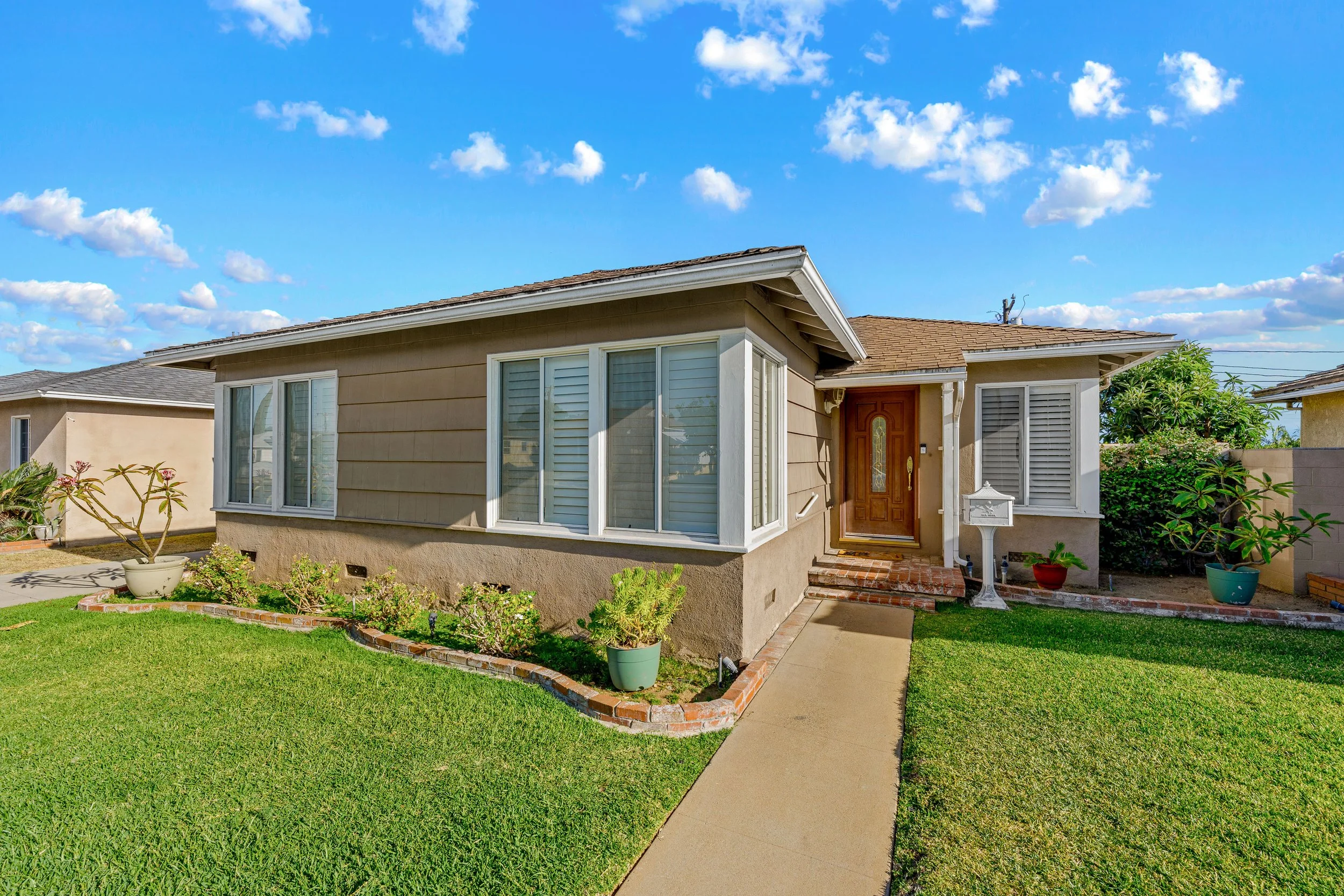
Listed by May Kunka of Compass in Monterey Park
After a home inspection in Monterey Park, buyers should generally focus negotiations on significant issues involving the roof, plumbing, electrical systems, water intrusion, foundation, HVAC, sewer line, pests, or other costly problems rather than minor cosmetic imperfections. Depending on the situation, requesting a seller credit may also make more sense than asking the seller to complete the repairs.
If you've ever opened a home inspection report, you know how intimidating it can look.
You may have walked into the inspection thinking you were buying a beautiful home and walked out holding a report that's dozens of pages long with what feels like hundreds of things wrong with it.
That's normal.
Home inspectors are supposed to document what they observe. Even a well-maintained home can produce a surprisingly long inspection report.
The important question isn't:
"How many things did the inspector find?"
It's:
"Which of these things actually matter?"
That's especially important when buying in Monterey Park, where you'll find many wonderful homes that have been standing for decades.
Not Every Inspection Item Should Become a Repair Request
One mistake buyers can make is treating an inspection report like a punch list for the seller.
A loose cabinet handle and a major plumbing problem don't belong in the same category.
I generally want my buyers thinking about the items that could significantly affect:
Safety
The home's major systems
Future repair expenses
Insurability
Water intrusion
Structural integrity
The ability to comfortably occupy the home
Being strategic about what you request can also make your negotiations much stronger.
Roof Problems Deserve Attention
A roof can be one of the more expensive components of a home to replace.
If an inspection reveals active leaks, significant deterioration, or a roof approaching the end of its useful life, that's something I want my buyers to understand before moving forward.
That doesn't automatically mean the seller needs to replace the entire roof.
Depending on the circumstances, the solution could be:
A roof repair
A seller credit
A price adjustment
Further evaluation by a roofing professional
The important thing is understanding the condition and potential cost before your inspection contingency is removed.
Plumbing and Sewer Issues Can Become Expensive
A dripping faucet probably isn't going to change your decision about purchasing a home.
A damaged sewer line might.
Depending on the age and condition of the property, buyers may want additional evaluation of plumbing or the sewer line if the general inspection raises concerns.
Problems involving leaks, drainage, corrosion, or sewer lines can become expensive if they're ignored.
Electrical Issues Shouldn't Be Dismissed
Older homes can have electrical systems that have been modified or updated multiple times over the years.
An inspector may identify concerns involving:
Electrical panels
Improper wiring
Missing GFCI protection
Ungrounded outlets
Exposed wiring
Other safety-related conditions
Some findings may be relatively simple to correct. Others deserve evaluation by a qualified electrician.
The key is knowing the difference.
Water Intrusion Is Something I Take Seriously
Water has an incredible ability to turn a small problem into an expensive one.
If an inspector notices signs of:
Roof leaks
Plumbing leaks
Moisture intrusion
Drainage problems
Staining around windows or ceilings
I generally want to understand where the water came from and whether the underlying issue has actually been corrected.
Painting over a stain doesn't necessarily solve the problem that caused it.
Foundation Findings Need Context
The word "foundation" can make almost any buyer nervous.
But not every crack means there's a major structural problem.
Homes settle.
Concrete cracks.
What matters is whether the inspector sees something that warrants additional investigation.
If there are meaningful concerns, bringing in the appropriate specialist can help determine whether you're looking at normal aging or something more significant.
Termites and Wood Damage Are Worth Investigating
Wood-destroying pests are another issue buyers may encounter in Southern California.
If there are signs of termite activity or damaged wood, it's important to understand the extent of the problem and what treatment or repairs may be recommended.
Again, this doesn't necessarily mean you should walk away from the house.
It means you should know what you're buying.
Should You Ask the Seller to Repair It or Give You a Credit?
This is one of the most important questions buyers should consider.
Sometimes having the seller complete the repair makes sense.
Other times, I prefer negotiating a credit when possible because it can allow the buyer to choose the contractor and oversee the work after closing.
Imagine the seller receives two quotes for a repair.
One contractor proposes a thorough long-term solution.
The other proposes the least expensive solution that satisfies the request.
Which one do you think a seller who's moving out might be tempted to choose?
That's why the structure of a repair negotiation matters just as much as the dollar amount.
Any credit also has to comply with the buyer's loan and closing-cost limits, so the lender needs to be involved in that conversation.
Don't Lose a Great House Over Small Things
This is where perspective becomes incredibly important.
If you've found the right Monterey Park home, I don't want to jeopardize the transaction because an inspector found:
A loose doorknob
A cracked switch plate
A dripping faucet
Worn paint
Minor cosmetic imperfections
Those things can usually be handled after closing.
I'd rather preserve our negotiating leverage for the items that could actually cost you significant money or affect the home's safety and function.
But Don't Be Afraid to Negotiate Major Problems
The opposite mistake is being so afraid of losing the house that you ignore legitimate issues.
If an inspection uncovers something significant, that's exactly why you performed the inspection in the first place.
The goal isn't to scare you away from the home.
It's to make sure you understand what you're purchasing and can make an informed decision about how to proceed.
Frequently Asked Questions
Can I ask a Monterey Park seller to fix everything on the inspection report?
You can make requests during the inspection negotiation subject to your purchase agreement, but that doesn't mean asking for every item is the best strategy or that the seller must agree. In California transactions, repair requests are generally part of the negotiation rather than an automatic seller obligation.
What are the most important repairs to negotiate after an inspection?
I would generally prioritize significant roof, electrical, plumbing, sewer, structural, water intrusion, HVAC, pest, and safety issues. Current home-inspection guidance similarly identifies safety concerns and major systems among the issues buyers most commonly prioritize.
Is it better to ask for repairs or a seller credit?
It depends on the repair, your financing, and the transaction. A credit can give the buyer greater control over who performs the work after closing, while certain problems may make more sense to address before closing. Seller credits, repairs, and price adjustments are all commonly used negotiation tools.
Can I negotiate again after the inspection if my offer was already accepted?
Potentially, yes, depending on the terms and contingencies in your purchase agreement. Discovering previously unknown material issues during inspections is one of the reasons inspection contingencies and repair negotiations exist.
Should I walk away if the inspection finds problems?
Not automatically.
Almost every home has issues. The more useful questions are how serious the problems are, what they may cost to correct, whether you're comfortable assuming that responsibility, and what your contract allows you to do.
So what's the next step?
If you're buying a home in Monterey Park and the inspection report suddenly makes you wonder whether you're making a mistake, don't panic and don't automatically ask the seller to repair every item on the list.
This is where strategy matters.
After nearly 20 years helping buyers throughout Monterey Park and the San Gabriel Valley, I've learned that a good inspection negotiation isn't about asking for the most. It's about identifying what actually matters, understanding the potential costs, and negotiating intelligently without unnecessarily putting the home you want at risk.
If you're considering buying a home in Monterey Park, I'd be happy to help you navigate everything from the initial offer through inspections, repair negotiations, and closing.
The goal isn't simply to get you into escrow. It's to make sure you understand what you're buying before I hand you the keys.