What Happens If a Monterey Park Home Appraises for Less Than Your Offer?
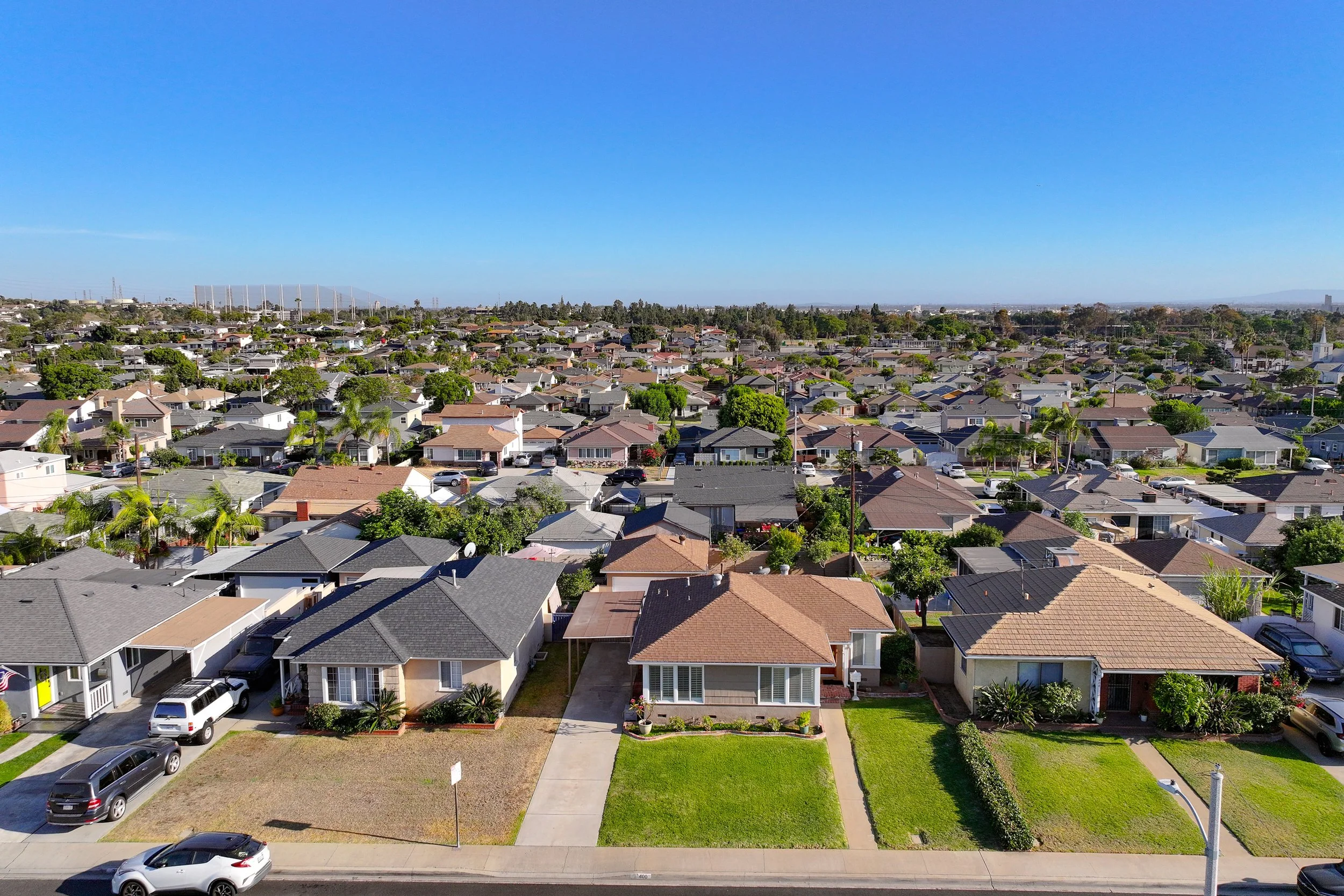
Listed by May Kunka in Monterey Park with Compass
If the Monterey Park home you're buying appraises for less than your accepted offer, the sale doesn't automatically fall apart. Depending on your contract and financing, you may be able to renegotiate the purchase price, ask the seller to meet you somewhere in the middle, challenge the appraisal, bring additional cash to closing, or potentially cancel if you're protected by an applicable contingency.
You've found a Monterey Park home you love.
You competed for it, negotiated the offer, completed your inspections, and you're finally starting to picture yourself getting the keys.
Then your lender calls.
"The appraisal came in low."
Few sentences make buyers more nervous during escrow.
The good news is that a low appraisal doesn't automatically mean you've lost the house.
It does mean we have another decision to make.
First, What Does a Low Appraisal Actually Mean?
When you're financing a home, your lender typically orders an independent appraisal to estimate the property's market value.
The appraisal and the home inspection serve very different purposes.
The inspection evaluates the home's condition.
The appraisal evaluates its value for lending purposes.
If you agree to buy a Monterey Park home for $1,000,000 and it appraises for $970,000, you have a $30,000 appraisal gap.
Your lender generally calculates financing using the appraised value rather than simply lending based on whatever price you agreed to pay.
That $30,000 difference is what we need to address.
Does the Seller Have to Lower the Price?
Not automatically.
This is one of the biggest misconceptions buyers have.
A low appraisal doesn't simply change the purchase contract to the appraised value.
The seller can potentially:
Agree to reduce the price
Negotiate a partial reduction
Hold firm at the contract price
Consider another solution
What happens next depends heavily on your purchase agreement, contingencies, financing, and the negotiating positions of both parties.
Option 1: Ask the Seller to Reduce the Price
This is usually the first solution buyers think about.
If you offered $1,000,000 and the appraisal came in at $970,000, we could potentially ask the seller to reduce the purchase price.
Whether the seller agrees is another question.
I'd want to consider things like:
How much competition did the home receive?
Were there backup offers?
How long had it been on the market?
What do recent comparable sales support?
How motivated is the seller?
Does the appraisal appear reasonable?
A seller with multiple interested buyers may respond very differently than someone whose home sat on the market for two months.
Option 2: Meet Somewhere in the Middle
Negotiations don't always have to be all or nothing.
Let's use that same $30,000 appraisal gap.
Instead of asking the seller to absorb the entire difference, buyer and seller might negotiate a compromise.
Perhaps the seller reduces the price by $15,000 and the buyer covers the remaining difference, subject to lender approval and the terms of the contract.
I'm not saying that's what you should do.
I'm saying there are often more options than buyers initially realize.
Option 3: Cover Some or All of the Appraisal Gap
A buyer may decide the home is worth paying more than the appraised value.
This sometimes happens with properties that have unusual features or when there aren't many truly comparable recent sales.
But this is a decision I want my buyers to make very carefully.
There's a big difference between saying:
"I love this house."
and:
"I understand exactly why I'm paying above the appraised value, and I'm financially comfortable doing it."
Emotion shouldn't be the only reason you bring additional cash to closing.
Option 4: Review and Potentially Challenge the Appraisal
Appraisals are professional opinions of value, but that doesn't mean questions can never be raised.
I'd want to review the report carefully.
Were the property details accurate?
Were appropriate comparable sales considered?
Was an important feature of the home overlooked or incorrectly described?
Are there more relevant recent sales that weren't included?
If there's legitimate supporting information, the lender may have a process for requesting a reconsideration of value.
That doesn't guarantee the appraisal will change.
But if there's a factual problem or important information appears to have been missed, it's worth discussing with your lender.
Why Can This Happen in Monterey Park?
Monterey Park has an interesting mix of properties.
Within relatively short distances, you can find homes with different:
Lot sizes
Views
Ages
Renovation levels
Floor plans
Additions
Locations within the city
That can sometimes make direct comparisons more complicated.
A beautifully renovated hillside home, for example, may not have several nearly identical recent sales sitting nearby for an appraiser to use.
That's one reason I don't want buyers assuming that one appraisal number tells the entire story.
We need to understand how that number was reached.
What If You Offered Over Asking Price?
This is where buyers need to think ahead.
Offering above asking price doesn't necessarily mean you've overpaid.
The asking price is a marketing decision.
Market value is a different question.
But if you're competing against several buyers and deciding how aggressively to bid, we should discuss the possibility of an appraisal gap before submitting the offer.
One question I want answered is:
"If the appraisal comes in $25,000 lower than our offer, what are we prepared to do?"
That's a much better conversation to have before you're emotionally invested in winning the house.
What About an Appraisal Contingency?
This can be extremely important.
An appraisal contingency may provide contractual protection if the property doesn't appraise at the necessary value.
But your rights depend on the exact agreement you've signed and whether the contingency is still in place.
That's why buyers should understand what they're agreeing to before removing or modifying contingencies simply to make an offer appear stronger.
Winning the house is only the first part of the transaction.
You still need to close successfully.
Frequently Asked Questions
Do I have to pay the entire appraisal gap in cash?
Not necessarily.
The buyer and seller may renegotiate, the seller could reduce the price, the parties could potentially compromise, or there may be other financing considerations to discuss with your lender.
If you choose to proceed above the appraised value, however, additional cash may be required depending on your financing.
Can I walk away if the appraisal is too low?
Possibly, depending on your purchase agreement and whether you have an applicable appraisal or financing contingency in place.
This is exactly why I want buyers to understand their contingencies before making an aggressive offer or removing protections.
Can the seller refuse to lower the price after a low appraisal?
Yes.
The seller isn't automatically required to reduce the agreed purchase price simply because the appraisal came in lower.
That's where negotiation begins.
Can a low appraisal be wrong?
An appraisal is a professional opinion of value, and there can be circumstances where factual errors or potentially relevant comparable sales deserve further review.
Your lender can explain the process for requesting a reconsideration of value if appropriate.
Is paying above appraised value always a bad idea?
No.
An appraisal is one data point, not a guarantee of what a home will ultimately be worth.
But paying above an appraised value should be an informed financial decision. I'd want you to understand the comparable sales, your available cash, your financing, and your long-term plans before making that choice.
So what's the next step?
If you're buying a home in Monterey Park and the appraisal comes in below your offer, the first thing I don't want you to do is panic.
And the second thing I don't want you to do is immediately agree to bring more cash.
We need to understand why the appraisal came in low.
Then we can review the comparable sales, look carefully at the appraisal, understand your contractual protections, talk with your lender, and determine where we have negotiating leverage with the seller.
After nearly 20 years helping buyers throughout Monterey Park and the San Gabriel Valley, I've learned that some of the most important work in a real estate transaction happens after the offer is accepted.
My job isn't simply to help you win the house.
It's to help you navigate everything that happens between your accepted offer and the moment I hand you the keys.
If you're considering buying a home in Monterey Park and want someone helping you think through these issues before they become surprises, I'd be happy to talk about your home search.