What Should I Look for in HOA Documents Before Buying a Condo in Monterey Park?
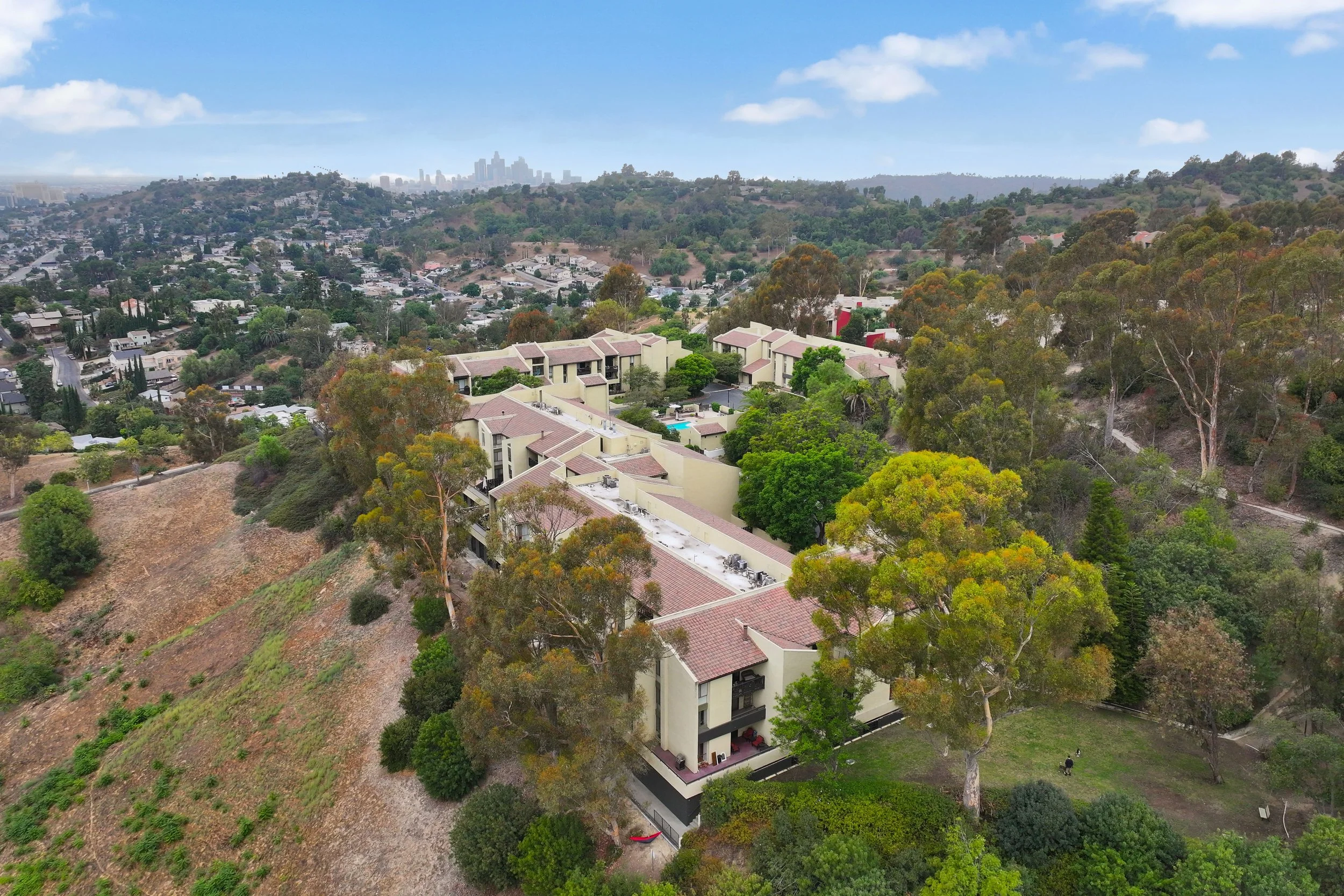
Listed by May Kunka of Compass in Monterey Hills
Before buying a condo or townhome in Monterey Park, don't look at the monthly HOA fee alone. Review the association's budget, reserves, special assessments, insurance, meeting minutes, pending litigation, maintenance responsibilities, and rules and restrictions. A condo with a low monthly HOA fee isn't necessarily a better deal if the association hasn't saved enough for future repairs.
You've found a Monterey Park condo you love.
The price works.
The monthly HOA fee seems reasonable.
There's a pool.
Maybe even a clubhouse.
Everything looks good, right?
Not quite.
When you're buying a condo or townhome, you're not only evaluating the unit you're purchasing.
You're also evaluating the HOA you're becoming a member of.
And that's something buyers sometimes overlook.
A beautiful condo can still come with an association that has inadequate reserves, upcoming repairs, a pending special assessment, insurance problems, or restrictions that don't work with your plans.
Some of that information won't be obvious during your home inspection.
It's buried in the HOA documents.
Don't Judge an HOA by the Monthly Fee
One of the first questions buyers ask me is:
"How much is the HOA?"
That's an important question.
But I also want to know:
What does that HOA fee actually pay for?
A $300 monthly HOA fee isn't automatically better than a $500 fee.
Maybe the $500 association is properly funding reserves, maintaining the property, carrying appropriate insurance, and planning ahead for major repairs.
Meanwhile, the association charging $300 could be postponing maintenance and saving very little for future expenses.
That lower monthly payment might eventually become a very expensive special assessment.
The monthly fee is only one piece of the puzzle.
What Are the HOA's Reserves?
This is one of the biggest things I want buyers to understand.
An HOA has ongoing operating expenses, but it also needs money available for major future projects.
Depending on the community, those might include:
Roof replacement
Exterior painting
Plumbing
Elevators
Paving
Pools
Common-area structures
Balconies and walkways
Other major repairs and replacements
That's where reserves come in.
A reserve study helps evaluate the condition and remaining useful life of major components and how much money the association should be setting aside for them.
If a major project is approaching and the association doesn't have enough money saved, where does the money come from?
Potentially, the homeowners.
What Is a Special Assessment?
A special assessment is an additional charge imposed on owners beyond their regular HOA dues.
Maybe the building needs a new roof.
Maybe there's a major plumbing project.
Maybe repairs are required to balconies or other common areas.
If the HOA doesn't have sufficient reserves to cover the expense, owners may be asked to contribute additional money.
That can potentially mean thousands of dollars beyond your normal monthly HOA payment.
This is why I want to know about both approved assessments and major expenses the HOA may be discussing.
California's Department of Real Estate specifically advises buyers to review information concerning current regular and special assessments and notes that HOA financial documents can contain important information about potential future assessment obligations.
Read the HOA Meeting Minutes
This is one of my favorite places to look.
Meeting minutes can give us clues about what's actually happening in the community.
Maybe the board has been discussing:
Roof leaks
Increasing insurance premiums
Plumbing problems
Balcony repairs
A possible special assessment
Owner delinquencies
A lawsuit
Security concerns
Upcoming capital projects
Something may not have become an official assessment yet, but repeated discussions about an expensive problem are still something I'd want you to know about.
Think of the meeting minutes as a peek behind the curtain.
Look at the HOA Budget
We also want to understand how the association is managing its money.
Is it operating within its budget?
Are expenses increasing?
How much is going into reserves?
Are there major expenses coming up?
Are owners behind on their dues?
You don't need to become an accountant to buy a condo.
But you do want to understand whether the HOA appears to be planning ahead or constantly reacting to financial problems.
If something doesn't make sense, that's when we may need additional guidance from the appropriate professional.
Check the HOA's Insurance
Insurance has become another increasingly important part of condo due diligence.
The association generally maintains insurance covering certain common areas or components of the development, while individual owners may need their own coverage.
I want buyers to understand:
What does the HOA's policy cover?
What are owners responsible for insuring?
Have premiums increased substantially?
Has coverage changed?
Are there significant claims?
The California Department of Real Estate specifically notes that buyers should understand who is responsible for maintaining insurance for different components of a unit or development.
Your lender and insurance professional may also have their own requirements, so this is something we want to investigate during the transaction rather than after closing.
Is the HOA Involved in a Lawsuit?
This is another important question.
The California Department of Real Estate specifically recommends investigating whether the association is involved in litigation or whether litigation may be anticipated.
Why?
Because litigation can potentially affect the HOA's finances and, depending on the circumstances, could even make refinancing or selling a unit more difficult.
That doesn't mean I'd automatically tell you to walk away because an HOA is involved in a lawsuit.
I want to understand what the lawsuit is about and what the potential consequences are.
Read the CC&Rs and Rules
Yes, they're long.
Yes, they're boring.
You still need to read them.
These documents govern what you can and can't do within the community.
Depending on the development, rules may address things like:
Pets
Parking
Rentals
Short-term rentals
Exterior modifications
Flooring
Common areas
Noise
Architectural changes
Maintenance responsibilities
The DRE's August 2026 guidance specifically reminds buyers that governing documents may contain restrictions affecting how owners use and maintain their property.
You don't want to discover after closing that something important to you isn't allowed.
Pay Attention to Maintenance Responsibilities
This is another area where buyers can make assumptions.
Just because you're buying a condo doesn't mean the HOA is responsible for repairing everything outside your four walls.
Responsibilities vary from one development to another.
Who handles the windows?
Who handles plumbing lines?
What about balconies?
Roofs?
Exterior doors?
Water intrusion?
The answer may depend on the governing documents.
Understanding this before you buy can prevent a very unpleasant surprise later.
A Low HOA Fee Can Actually Make Me Ask More Questions
Buyers naturally love low HOA dues.
I understand why.
Lower dues mean a lower monthly housing expense.
But if I'm looking at an older development with extensive common areas and the HOA fee seems unusually low, I start asking questions.
How are they paying for maintenance?
How much is being put into reserves?
When was the last major project?
What projects are coming next?
Sometimes low dues simply reflect an efficiently managed association.
Other times they reflect years of owners voting to keep dues low while expensive maintenance gets pushed into the future.
That future eventually arrives.
Can HOA Problems Affect Your Mortgage?
Potentially.
When you're buying a condo, your lender may evaluate more than your personal finances.
Depending on the loan and property, the condominium project itself may also need to meet certain lending requirements.
Issues involving insurance, litigation, structural conditions, owner occupancy, assessments, or other HOA matters can potentially affect financing.
That's another reason I want the lender involved early when we're buying a condo.
A great interest rate doesn't help very much if the lender ultimately can't finance the property.
Should a Special Assessment Automatically Stop You From Buying?
Not necessarily.
Let's say there's a special assessment for a new roof.
At first, that sounds terrible.
But then we discover:
The project is already underway.
The seller has agreed to pay the assessment.
The roof will be brand new.
The HOA otherwise has healthy finances.
That may be very different from discovering an association has years of deferred maintenance, inadequate reserves, and no clear plan for paying for multiple upcoming projects.
I care about why the assessment exists, not just the fact that there is one.
Sometimes a special assessment is addressing a problem responsibly.
Other times it's a symptom of a bigger financial issue.
Don't Wait Until the Last Minute to Review the Documents
HOA documents can be hundreds of pages long.
Don't open them the night before your contingency deadline.
I want you to have time to actually review them.
The California Department of Real Estate's current guidance emphasizes that buyers should carefully read these documents and seek appropriate legal or financial advice when questions go beyond the practical guidance their real estate agent can provide.
That's important.
My job is to help you identify what deserves your attention and understand how it may practically affect your purchase.
If we uncover something requiring legal interpretation, tax advice, insurance expertise, or detailed financial analysis, I want the appropriate professional answering that question.
Frequently Asked Questions
What HOA documents should I review before buying a condo in California?
Important documents can include the CC&Rs and other governing documents, annual budget information, reserve information, current regular and special assessments, insurance information, and other required association disclosures. California law requires sellers in common-interest developments to provide buyers with specified HOA documents and information.
What is an HOA reserve study?
A reserve study evaluates major components the HOA is responsible for maintaining and helps the association plan financially for future repairs and replacements.
For a buyer, it can provide valuable insight into whether expensive projects may be approaching and how prepared the association is to pay for them.
Is a low HOA fee good when buying a condo?
Not necessarily.
You should compare the fee with what it covers, the amenities and maintenance responsibilities of the association, its reserve funding, and the condition of the development.
I'd rather see a responsibly managed HOA charging realistic dues than an artificially low fee followed by repeated special assessments.
How do I know if a special assessment is coming?
Review current assessments, HOA financial information, reserve information, meeting minutes, and discussions of upcoming projects.
Not every future expense will already have a specific assessment attached to it, which is why reading beyond the current monthly dues is important.
Can an HOA special assessment affect my mortgage?
Potentially. Significant assessments, deferred maintenance, insurance issues, litigation, and other project-level concerns can sometimes affect condominium financing.
Ask your lender to evaluate the development as early as possible.
Should I buy a condo with an HOA special assessment?
It depends on the reason for the assessment, amount, payment terms, financial health of the HOA, work being completed, and how the assessment is being handled as part of your purchase.
An assessment alone doesn't tell us enough.
Can I cancel after reviewing HOA documents?
Your rights depend on your purchase agreement, applicable California law, the documents provided, and the timing of your transaction. Review your specific contractual rights and deadlines rather than assuming you can cancel at any time.
So What's the Next Step?
If you're buying a condo or townhome in Monterey Park, don't stop your due diligence at the front door.
Of course I want us to inspect the unit.
But I also want us looking at the community you're buying into.
What's the HOA fee?
What does it cover?
How are the reserves?
Are there assessments?
What major repairs are coming?
What are owners talking about in the meeting minutes?
Is there litigation?
How is the property insured?
Are there restrictions that affect what you want to do with the property?
Those questions aren't nearly as exciting as choosing between two kitchens.
But they can have a much bigger impact on your experience as an owner.
After nearly 20 years helping buyers throughout Monterey Park and the San Gabriel Valley, I've learned that the best condo purchase isn't simply the nicest unit at the best price.
The HOA matters too.
If you're considering buying a condo or townhome in Monterey Park, I'd be happy to help you evaluate the property, understand the HOA disclosures, and identify the questions we should be asking before you move forward.