Can I Sell My Monterey Park Home If I Still Have a Mortgage?
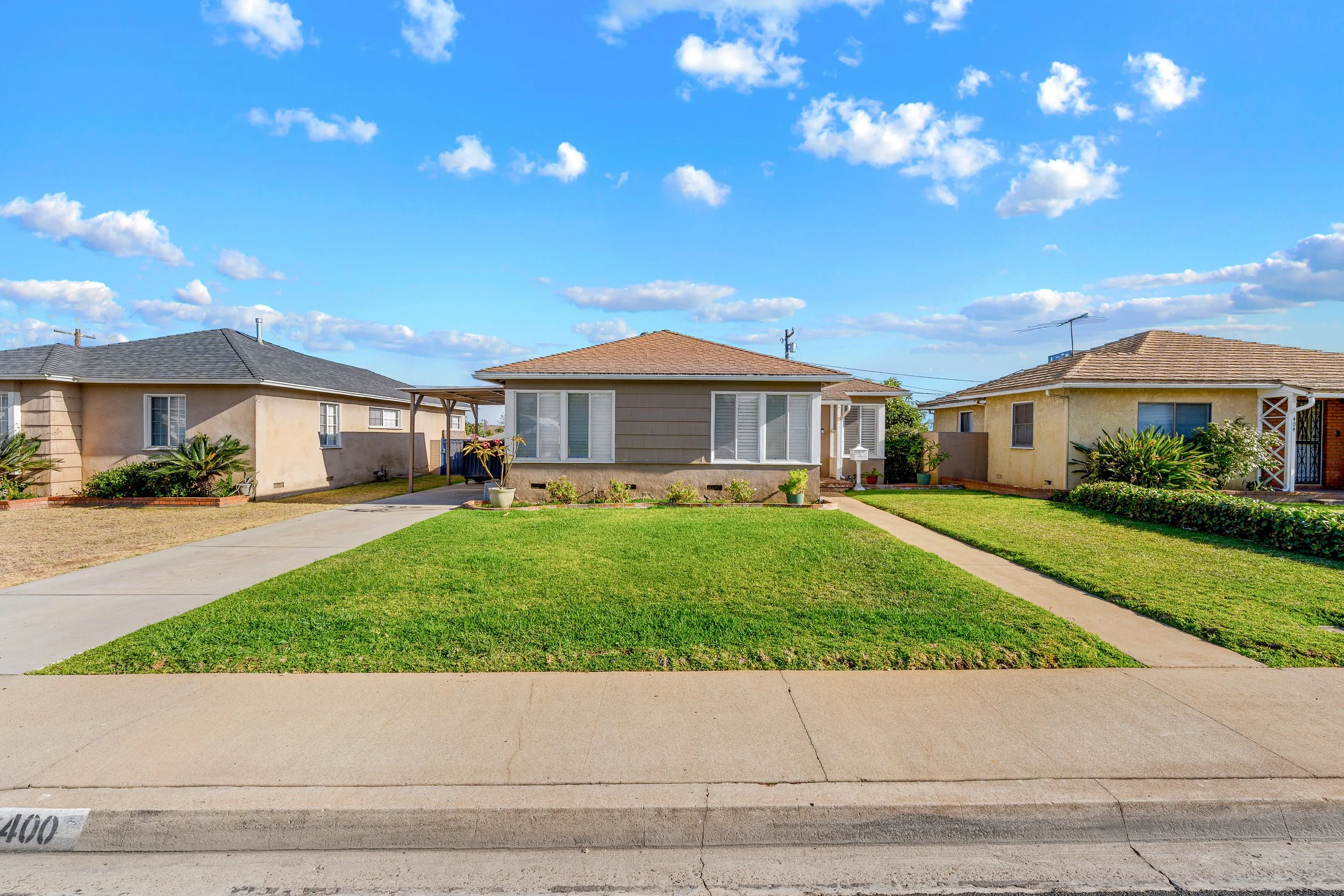
Listed by May Kunka of Compass in Monterey Park
Yes. You can sell your Monterey Park home even if you still have a mortgage, and that's completely normal. During escrow, the amount required to pay off your existing loan is determined and generally paid from the proceeds of the sale. Whatever remains after the mortgage payoff and other selling expenses is your net proceeds. The important question isn't whether you still have a mortgage. It's whether the sale will generate enough money to pay off the loan and the other costs associated with selling.
This question comes up more than you might think:
"Can I sell my house if I haven't paid off the mortgage yet?"
Absolutely.
Most homeowners don't wait 30 years, make their final mortgage payment, throw a mortgage-burning party, and then decide they're finally allowed to move.
People sell while they still have mortgages all the time.
Maybe you're moving closer to family.
Maybe you need more space.
Maybe you're downsizing.
Maybe you're leaving California.
Maybe you've simply built enough equity that selling makes sense.
Your mortgage doesn't prevent you from selling.
We just need to understand what you owe and what you're likely to walk away with.
What Happens to My Mortgage When I Sell?
When your home sells, the existing loan secured by the property generally needs to be satisfied as part of the transaction.
In a typical sale, escrow handles this process.
California's Department of Real Estate describes escrow as the neutral third party that holds documents and funds, makes sure the conditions of the transaction are satisfied, and prepares the final closing statement showing the credits and debits associated with the sale.
So you generally don't need to come up with hundreds of thousands of dollars and pay off your mortgage before listing your house.
The payoff happens through the closing process.
How Does My Mortgage Actually Get Paid Off?
Let's use a simple example.
Suppose your Monterey Park home sells for:
$1,100,000
Your mortgage payoff is approximately:
$400,000
At closing, the mortgage and other applicable expenses are accounted for through escrow.
Very simplified:
$1,100,000 sale price
− $400,000 mortgage payoff
− selling expenses
= your estimated net proceeds
The actual closing statement will obviously contain more than three lines.
But that's the basic idea.
Is My Mortgage Balance the Same as My Payoff?
Not necessarily.
This is an important little detail.
Let's say you log into your mortgage account and see:
Principal balance: $398,250
That doesn't necessarily mean exactly $398,250 will be required to satisfy the loan on closing day.
The Consumer Financial Protection Bureau explains that your payoff amount can be different from your current balance because the payoff can include interest through the payoff date and potentially other unpaid charges or fees.
So when I'm initially preparing a seller net sheet, your current mortgage balance gives us a good starting point.
Escrow will ultimately work with the lender or servicer to obtain the appropriate payoff information for closing.
What If I Have Two Mortgages?
Then we need to account for both.
Maybe you have:
A first mortgage
A home equity line of credit
A second mortgage
Another loan secured against the property
Those obligations don't simply disappear because you're selling.
Title and escrow are going to look at liens and other matters affecting the property as part of the transaction.
California DRE notes that the title company conducts a search to identify ownership history and liens or encumbrances associated with the property.
This is one reason I like opening escrow and getting title information early.
If there's something unexpected, I'd rather find out now.
What If I Have a HELOC With a Zero Balance?
Tell me about it anyway.
A home equity line may still have documentation or a lien associated with the property even if you aren't currently carrying a balance.
We want title and escrow to identify what needs to happen so the sale can close properly.
Don't assume:
"I don't owe anything on it, so nobody needs to know."
Let escrow sort out what documentation is required.
What Happens to the Money Left Over?
After the mortgage payoff and the other applicable expenses of the transaction are handled, the remaining proceeds go to you, subject to the terms and closing instructions for your transaction.
That's your net proceeds.
And this is the number I care about when helping you decide whether selling makes sense.
Not just:
"Your house might sell for $1.2 million!"
Great.
But what do you owe?
What are the selling expenses?
Are we spending money preparing the house?
Are there other liens?
Are there seller credits?
What do you actually walk away with?
That's a much more useful conversation.
What If I Owe $500,000 and Sell for $1 Million?
Again, very simplified:
$1,000,000 sale price
− $500,000 mortgage payoff
= $500,000
But that $500,000 is not automatically your check.
We still have to account for selling expenses and any other amounts associated with your transaction.
Those could include things like:
Real estate compensation
Escrow charges
Title-related charges
Transfer taxes
Property tax adjustments
Seller credits
Repairs
Other liens or obligations
This is why I prepare an estimated seller net sheet.
What If I Just Bought the House a Few Years Ago?
You can still sell it.
The bigger question is whether selling makes financial sense.
If you purchased recently, you may have:
Less equity.
Higher transaction costs relative to your appreciation.
Recent improvements you've paid for.
Potential tax considerations.
Maybe your home has appreciated enough that selling works perfectly well.
Maybe it hasn't.
I don't want to guess.
We run the numbers.
What Is Home Equity?
Very simply, equity is the difference between your home's value and what you owe against it.
Suppose your home could sell for approximately:
$1,200,000
and you owe:
$450,000
You have substantial equity.
But remember, that difference isn't exactly the amount you'll receive when you sell because we still need to account for selling expenses and other obligations.
Your home's market value also isn't guaranteed until we actually sell it.
That's why I prefer estimating a range.
Monterey Park Homeowners May Have Significant Equity
Monterey Park's housing values are substantial today.
Redfin reports a median sale price of approximately $949,000 over the three months ending August 2026, while Zillow estimates the typical Monterey Park home value at approximately $912,000 as of August 31.
Those numbers don't tell us what your home is worth.
But if you've owned your Monterey Park property for many years, it's worth finding out what your current equity position looks like before making assumptions about whether you can afford to move.
What If I Owe Almost as Much as the House Is Worth?
Now we need to be more careful.
Let's say:
Estimated sale price:
$900,000
Mortgage payoff:
$850,000
At first glance, you have $50,000 between those numbers.
But selling the property also costs money.
If the expected proceeds aren't sufficient to satisfy the mortgage and other costs associated with the sale, we may have a problem.
This is exactly why I want to calculate your estimated net before we put the home on the market.
What If I Owe More Than the House Is Worth?
That's a different situation.
If your mortgage debt exceeds what the property can realistically sell for and you don't have sufficient funds to cover the difference, a traditional sale may not work the way you expect.
There may be other options depending on the circumstances, but this can become a lender, legal, financial, and potentially tax issue.
I wouldn't want to give you a generic answer without understanding the specific situation.
If you're in this position, we should identify the numbers first and then determine which professionals need to be involved.
Do I Need to Tell My Mortgage Company I'm Selling?
Your lender or loan servicer will become involved in the payoff process because the existing loan needs to be satisfied.
Escrow will obtain payoff information as part of preparing for closing.
The CFPB explains that a mortgage servicer must provide an accurate payoff statement showing the amount necessary to fully satisfy a dwelling-secured loan as of a specified date after receiving a payoff request.
This is another reason the number on your online mortgage account isn't the final number we use.
Do I Keep Making Mortgage Payments While My House Is for Sale?
Yes.
Keep making your normal mortgage payments unless you're specifically instructed otherwise by the appropriate party.
Putting your house on the market doesn't pause your mortgage.
Opening escrow doesn't mean:
"Great! I don't need to make next month's payment."
Until the loan is actually paid off, you still have an obligation to make the required payments.
We don't want a late payment creating unnecessary problems right before closing.
What If My Mortgage Payment Is Due Right Before Closing?
This is a good question for escrow and your loan servicer.
Don't simply decide on your own to skip the payment because closing is scheduled for a few days later.
Closing dates can move.
Payoff figures can change.
Your escrow officer and loan servicer can explain what needs to happen based on your actual closing date.
Does My Mortgage Transfer to the Buyer?
Usually, that's not how a standard sale works.
In a typical transaction, your existing mortgage is paid off and the buyer obtains their own financing or purchases with cash.
There are loan products and specific circumstances where a loan may potentially be assumable, but that's a different situation and depends on the loan and lender requirements.
Don't assume the buyer simply takes over your current mortgage.
What Happens to the Lien After the Mortgage Is Paid Off?
A mortgage or deed of trust creates a lien against the property.
After the debt is paid off, the appropriate release or reconveyance process clears that lien from the property records.
The CFPB notes that property records can be checked to determine whether a mortgage lien has been released and that there may be some delay between payoff and the recorded release.
In a sale, title and escrow coordinate the necessary closing requirements so ownership can transfer appropriately.
Does Paying Off My Mortgage Reduce My Capital Gains Tax?
Here's a really important misconception.
Your mortgage balance is not how taxable gain is calculated.
Let's say you bought a home decades ago for:
$300,000
You sell today for:
$1,200,000
And you still owe:
$500,000
You do not simply calculate taxes on the $700,000 left after paying off the mortgage.
The IRS explains that taxable gain is generally determined using the amount realized from the sale compared with your adjusted basis, taking applicable selling expenses and other tax rules into account. Your mortgage payoff is a separate issue.
This is one of those areas where I absolutely want your tax professional involved.
But Don't I Get a Capital Gains Exclusion?
You may.
If the property is your qualifying primary residence, federal tax law may allow you to exclude up to $250,000 of gain for an individual or $500,000 for certain married couples filing jointly, assuming the applicable ownership, use, and other requirements are satisfied.
But everyone's situation is different.
Maybe it was a rental.
Maybe you inherited it.
Maybe you've only lived there briefly.
Maybe you previously used another home-sale exclusion.
Maybe part of the property was used for business.
That's why I don't calculate your tax liability for you.
Talk to your CPA.
What If I Use All My Sale Proceeds to Buy Another House?
Buying another primary residence does not, by itself, mean you automatically avoid capital gains tax on the home you sold.
That's another misconception I hear.
Your tax treatment depends on the rules applicable to the sale itself.
A 1031 exchange can potentially apply to qualifying investment or business property, but that's a completely different strategy from simply selling your primary residence and buying another home.
Again, this is where your CPA or tax advisor belongs in the conversation.
What If I'm Selling So I Can Buy My Next Home?
Now your equity becomes part of our larger strategy.
Maybe you need the proceeds from your Monterey Park sale for the down payment on your replacement home.
Then we need to discuss timing.
Do you:
Sell first?
Buy first?
Make your purchase contingent on selling?
Arrange a rent-back?
Coordinate concurrent escrows?
Qualify for the next property without selling first?
There isn't one answer for everyone.
But the first thing I need to know is:
How much money are we realistically expecting you to receive from this sale?
Then we can build the move around that number.
What If I've Owned My Monterey Park Home for 30 Years?
This is where things can get interesting.
You may have a relatively small mortgage balance or no mortgage at all.
You may also have substantial equity.
But if you're buying another California home, we should also discuss whether Proposition 19 may be relevant to you.
Certain homeowners who are over 55, severely disabled, or victims of qualifying wildfires or natural disasters may be able to transfer the taxable value of a primary residence to a replacement primary residence within California, subject to the program's requirements.
That's separate from your mortgage payoff.
But if you're selling a long-held Monterey Park home to move somewhere else in California, it's absolutely a conversation worth having before you make the move.
Frequently Asked Questions
Can I sell my house if I still owe money on the mortgage?
Yes.
It's completely normal to sell a home before the mortgage has been fully paid off. The existing loan is generally paid from the transaction proceeds through escrow.
Do I have to pay off my mortgage before listing my house?
No.
You generally don't need to pay the mortgage off before putting the property on the market. The payoff is normally handled as part of the closing process.
Is my mortgage payoff the same as my current balance?
Not necessarily.
The CFPB explains that a payoff amount can include interest through the payoff date and potentially other fees or charges that aren't reflected in the current balance displayed on your mortgage statement.
What happens if I have a HELOC when I sell my house?
A HELOC may be secured by the property and may need to be addressed through the sale and title process.
Make sure your Realtor, title company, and escrow officer know about it so the appropriate payoff or release requirements can be determined.
What happens if I owe more than my house is worth?
If the expected sale proceeds won't be enough to satisfy your mortgage and selling obligations, a standard sale may not be possible without additional funds or another solution.
The specific situation should be reviewed before listing.
Does my mortgage balance affect my capital gains tax?
Your outstanding mortgage is not the basis for calculating your taxable gain.
The IRS generally looks at your amount realized from the sale compared with your adjusted basis and applicable selling expenses, along with any exclusions or other tax rules that apply.
How much money will I get after my mortgage is paid off?
Start with your expected sale price, then subtract your mortgage payoff and estimated selling expenses.
For a useful estimate, have your Realtor prepare a seller net sheet based on your actual property and anticipated sale price.
So What's the Next Step?
If you're thinking about selling your Monterey Park home but still owe money on it, don't let the mortgage stop you from exploring your options.
The first thing I want to know is:
Approximately what is your home worth today?
Then:
Approximately what do you owe?
From there, we can start estimating your equity.
I'll prepare a seller net sheet showing what your proceeds might look like at several potential sale prices.
Maybe your home sells for:
$900,000
$950,000
$1,000,000
We'll estimate the mortgage payoff and selling expenses at each price so you can see what you might actually walk away with.
Then we talk about what comes next.
Are you buying another home?
Downsizing?
Moving out of state?
Using Proposition 19?
Selling an investment property?
Helping settle a family estate?
The sale itself is only part of the plan.
After nearly 20 years helping homeowners throughout Monterey Park and the San Gabriel Valley, I've found that people are often surprised by how much equity they've accumulated, especially when they've owned the property for a long time.
You don't need to have your mortgage paid off to start the conversation.
You just need to understand the numbers.
If you're considering selling your Monterey Park home, I'd be happy to help you estimate its current value, calculate your likely net proceeds, and figure out what the sale could make possible for your next move.