Should I Buy a Fixer-Upper in Monterey Park?
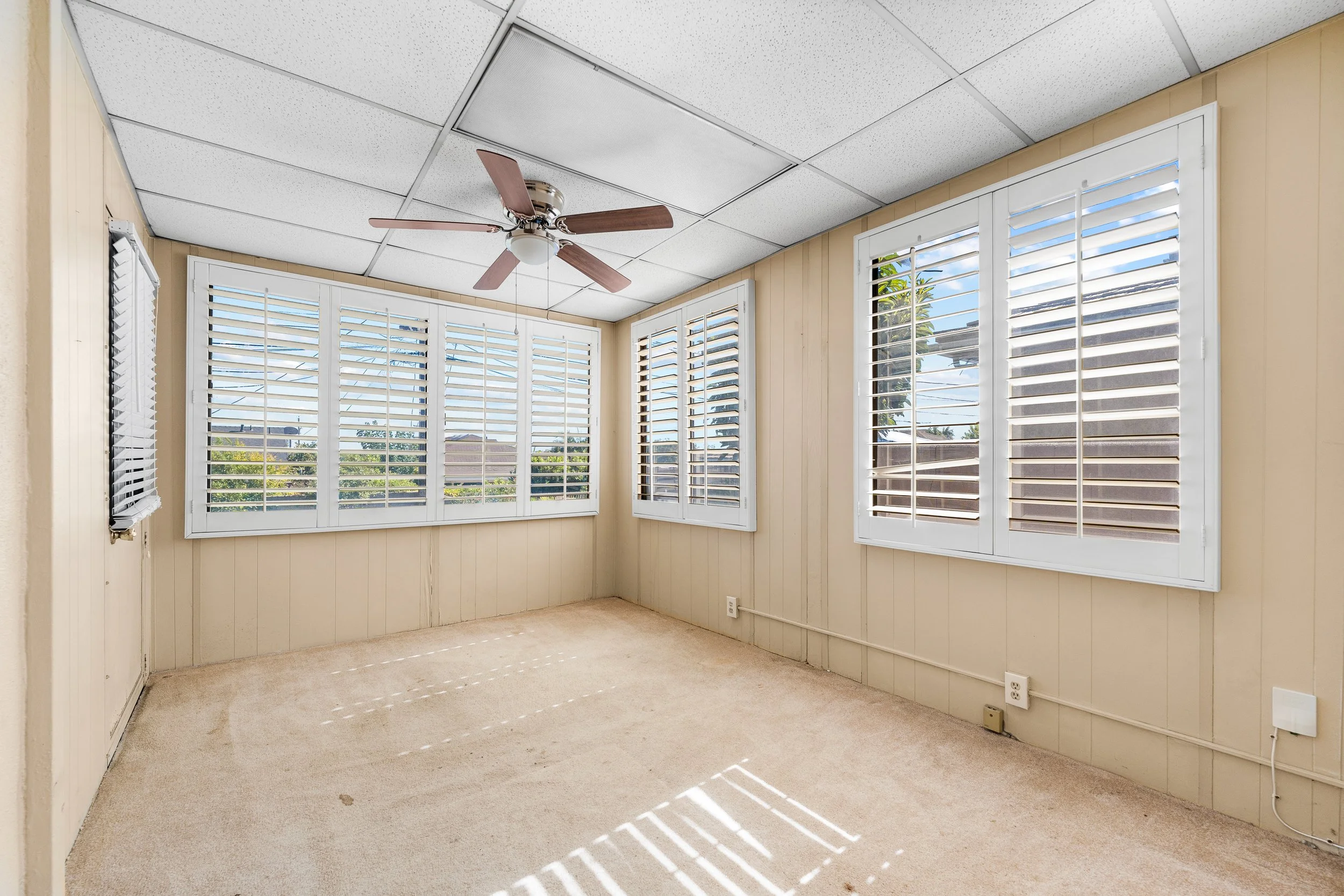
Listed by May Kunka of Compass in Monterey Park
A fixer-upper in Monterey Park can be a great opportunity if the purchase price leaves enough room for the repairs, you have realistic renovation funds, and the home's location and layout make the project worthwhile. But a fixer isn't automatically a bargain. Before buying, I want to understand the condition of the roof, plumbing, electrical, foundation, sewer, permits, insurance, and major systems so we can estimate what you're actually taking on.
You walk into a Monterey Park house and immediately see the potential.
The kitchen is straight out of 1978.
The carpet has seen better days.
The bathrooms need work.
But the floor plan is great.
The lot is good.
You love the street.
And you're already mentally knocking down walls.
Then comes the big question:
“Is this a good fixer, or am I about to buy a money pit?”
Those are two very different things.
A Fixer-Upper Isn't Automatically a Deal
This is probably the first misconception I want buyers to avoid.
A home needs work.
Therefore:
It must be cheaper.
Not necessarily.
The seller may already be pricing in the renovation potential.
Other buyers may see exactly what you see.
Investors may be interested.
Contractors may be interested.
Buyers who plan to renovate for themselves may be interested.
Redfin currently identifies only a few homes explicitly marketed as fixer-uppers in Monterey Park, and some are described as potentially competitive opportunities.
So I don't evaluate a fixer based on:
“It's ugly, so let's offer way under asking.”
I evaluate it based on:
What is the property worth today in its current condition?
Then:
What might it be worth after realistic improvements?
And finally:
How much is it going to cost you to get there?
Start With Location
You can renovate a kitchen.
You can't move the house.
This is why location matters even more to me when you're buying something that needs work.
If we're going to invest time and money improving a property, I want the things we can't change to make sense.
That includes:
Street
Neighborhood
Lot
Views
School boundaries where relevant
Noise
Traffic
General surroundings
Access to shopping and commuting routes
I'd rather help you buy an ugly house in a location you love than a beautifully remodeled house in a location you already dislike.
What Kind of Fixer Are We Talking About?
The word fixer covers a huge range.
Cosmetic Fixer
Maybe it needs:
Paint.
Flooring.
Lighting.
Cabinet hardware.
Landscaping.
Appliances.
Bathroom finishes.
This is the kind of project many buyers can reasonably take on over time.
Moderate Renovation
Now maybe we're talking about:
New kitchen.
Bathroom remodels.
Windows.
HVAC.
Some plumbing.
Some electrical work.
More substantial landscaping.
Still manageable for the right buyer, but the budget is getting larger.
Major Fixer
This is a different animal.
Maybe it needs:
Foundation work.
Complete electrical replacement.
Major plumbing.
Roof.
Sewer line.
Structural changes.
Extensive water-damage repair.
Major permit corrections.
Now we're not discussing paint colors.
We're discussing construction risk.
I want buyers understanding which category we're in before we start talking about potential.
Don't Let the Kitchen Distract You From the Expensive Stuff
Buyers often walk into a fixer and immediately focus on the kitchen.
I understand.
It's visible.
It's exciting.
You can picture the new cabinets.
But the old cabinets may not be the thing that concerns me most.
I want to know:
What's happening with the foundation?
How old is the roof?
What kind of electrical panel does it have?
What condition is the plumbing in?
How does the sewer lateral look?
Any evidence of water intrusion?
Were additions permitted?
Those invisible items can consume a renovation budget very quickly.
The Inspection Matters Even More on a Fixer
California DRE specifically recommends buyers consider professional evaluations of the electrical system, plumbing, HVAC, roof, foundation, structural integrity, and other major components of a property. DRE also recommends using appropriate inspection contingencies so buyers have a chance to understand the home's condition before completing the purchase.
With a fixer, I take that especially seriously.
The fact that you already know the home needs work doesn't mean:
“We don't need inspections because we're remodeling anyway.”
Quite the opposite.
I want to understand whether our renovation budget is going toward:
Things you want to change
or
Things you have no choice but to fix.
Build Two Renovation Budgets
This is one of my favorite ways to think about a fixer.
Budget 1: The Fun Stuff
Kitchen.
Bathrooms.
Flooring.
Paint.
Fixtures.
Landscaping.
Built-ins.
Design.
Budget 2: The Boring Stuff
Roof.
Electrical.
Plumbing.
Sewer.
Foundation.
HVAC.
Waterproofing.
Termites.
Permit corrections.
The second list isn't nearly as exciting.
But if you spend your entire budget on Budget 1 and then discover Budget 2 after closing, the experience can get painful very quickly.
Add a Contingency to Your Renovation Budget
Construction projects have a wonderful habit of finding additional work.
You open a wall.
Something unexpected is behind it.
You remove flooring.
There's damage underneath.
You start a bathroom.
Old plumbing needs attention.
That doesn't mean you shouldn't renovate.
It means your budget shouldn't assume everything goes perfectly.
I don't want your calculation to be:
Contractor estimate: $150,000
Money available: exactly $150,000
That's uncomfortable.
Give yourself breathing room.
Should I Get Contractor Estimates Before Buying?
When possible and practical, they can be extremely helpful.
Especially if a major repair or renovation is central to your decision.
Maybe we know the home needs a roof.
Get an estimate.
Potential foundation concern?
Get appropriate professional input.
Major electrical work?
Let's understand the scope.
You may not be able to fully price an entire remodel during a short escrow.
But I want better information on the major issues when possible.
What About Unpermitted Work?
This can be particularly important with older Monterey Park homes.
Maybe the house has:
An enclosed patio.
Converted garage.
Added bathroom.
Addition.
Kitchen expansion.
Wall removal.
If something looks like it was added later, I'm interested in the permit history.
A fixer can become much more complicated when you're not simply renovating what exists but also trying to correct older work that may not have been properly permitted.
That's why permit research belongs in our due diligence when something doesn't add up.
Can I Just Legalize Unpermitted Work Later?
Maybe.
But I don't want you assuming that's easy.
Depending on the work, legalizing it could involve:
Plans.
Permits.
Inspections.
Opening walls.
Structural corrections.
Electrical corrections.
Plumbing corrections.
Potentially removing work that can't be approved.
Before you buy based on the assumption:
“We'll just get permits later,”
let's find out what that may actually involve.
Does the Fixer Need to Appraise?
If you're financing the purchase, yes, appraisal considerations still matter.
The appraiser is evaluating the property in its current condition for the lender.
The fact that you're planning a beautiful renovation doesn't necessarily mean the lender values the property based on what it might look like two years from now.
That's why the purchase price has to make sense for the home as it exists today, unless you're using a financing structure specifically designed around renovation.
Can I Finance the Renovation?
Possibly.
There are renovation loan programs and other financing strategies that may be available depending on your qualifications, property, and lender.
But this is a lender conversation.
Don't tour a $900,000 fixer assuming:
“We'll just borrow another $200,000 for renovations.”
Maybe.
Maybe not.
Let's talk with the lender before we build a purchase strategy around money that isn't yet confirmed.
How Much Cash Should I Keep After Closing?
More than you think you'll need.
California DRE reminds buyers that the cost of owning a home includes not only the mortgage and closing costs but also repairs, upgrades, utilities, insurance, taxes, HOA costs where applicable, and ongoing maintenance.
That advice becomes even more important with a fixer.
I don't want you putting every dollar into the down payment and then financing your entire renovation on credit cards.
The house is already telling us it's going to need money.
Listen to it.
Should I Buy the Cheapest House in the Neighborhood?
Maybe.
But don't fall for the cliché automatically.
The cheapest house may be cheap for a reason.
Busy street.
Poor lot.
Major structural issue.
Strange layout.
Unpermitted additions.
Something expensive that isn't obvious online.
I'd rather buy a property with strong fundamentals than simply chase the lowest price.
What Improvements Usually Matter Most?
That depends on the property.
If we're renovating for your own long-term use, your priorities matter.
But I'm still thinking about resale.
I generally like improvements that make the home:
More functional.
Better maintained.
Visually appealing.
Consistent with the neighborhood.
Easy for future buyers to understand.
I'm more cautious about spending enormous amounts on highly personal improvements that the next buyer may not value.
Don't Over-Improve the House
Suppose the renovated homes around you generally sell around:
$1.3 million.
If you buy for:
$1 million
then spend:
$500,000
you now have:
$1.5 million invested
before considering other ownership and transaction costs.
Maybe you created your dream house and you're staying 30 years.
Fine.
But financially, don't assume every renovation dollar comes back at resale.
That's why I want to understand the neighborhood ceiling before you start imagining the most expensive finishes available.
Compare the Fixer With a Move-In Ready Home
This is one of the most useful exercises.
Let's say:
Fixer
Purchase price: $950,000
Estimated renovation: $175,000
Estimated total before other costs: $1,125,000
Updated Home
Purchase price: $1,150,000
Now ask:
Would you rather renovate?
Do you have the cash?
How long will the project take?
Where will you live?
What's the risk of going over budget?
Can you customize the fixer into something better?
Maybe the fixer is clearly the better opportunity.
Maybe once we account for the renovation, the move-in-ready home suddenly looks very reasonable.
That's the comparison I want you making.
Monterey Park's Current Market Gives Buyers More to Compare
Realtor.com's September 2026 market data shows Monterey Park with a median listing price around $884,450, median sold price around $900,000, and active inventory up nearly 34% compared with a year earlier. It characterizes the city as a balanced market, with homes selling about 1.9% below asking on average.
Redfin's latest data describes the market as more competitive, with a median sale price around $949,000 over the three months ending August and about 30.6% of homes selling above asking.
The methodologies differ, but both tell us something useful:
Buyers have options, yet desirable properties can still attract competition.
So don't assume a fixer automatically has no competition just because it needs work.
A Real Monterey Park Example
A recent Monterey Park sale on Crest Vista Drive was marketed specifically as a fixer. The four-bedroom, three-bathroom mid-century home offered about 2,137 square feet and sold for $1.05 million on September 10, 2026.
That's a useful reminder.
Fixer does not necessarily mean:
cheap property nobody wants.
Location, size, architecture, lot, and potential still matter.
What If I Want to Live There During Renovation?
Think carefully.
A cosmetic renovation while living in the property?
Doable for many people.
Full kitchen demolition, two bathroom remodels, rewiring, plumbing, flooring, and dust everywhere?
That's a different lifestyle.
Ask yourself honestly:
Can you tolerate construction?
Do you work from home?
Do you have kids?
Pets?
Could the kitchen be unusable?
Would you need temporary housing?
Those costs belong in the renovation decision too.
Is a Fixer Better for a First-Time Buyer?
It can be.
But I don't automatically recommend it.
A first-time buyer may get:
A better location.
More square footage.
A chance to build equity through improvements.
A home they can customize.
But they also take on:
Contractors.
Budgets.
Permits.
Unexpected repairs.
Project management.
That's a lot to handle immediately after becoming a homeowner.
Some people love it.
Others would be much happier buying the updated house.
There is no correct personality type for homeownership.
Frequently Asked Questions
Is buying a fixer-upper in Monterey Park a good idea?
It can be if the home's location and fundamentals are strong, the purchase price reflects its condition, and you have enough money and time to complete the necessary work.
A fixer isn't automatically a bargain simply because it's outdated.
How much should I budget to renovate a fixer-upper?
There is no reliable flat percentage because renovation costs vary tremendously based on scope, materials, labor, permits, and unforeseen conditions.
Get contractor estimates for major known work and maintain a contingency for unexpected expenses.
Should I get a home inspection on a fixer-upper?
Yes.
The California DRE recommends buyers investigate major systems including electrical, plumbing, HVAC, roof, foundation, and structural components.
Knowing that a home needs remodeling is not a substitute for understanding its condition.
Can I negotiate more on a fixer-upper?
Potentially.
Your leverage depends on the asking price, condition, days on market, comparable sales, competition, seller motivation, and the cost and severity of the property's issues.
Can I finance repairs when buying a fixer-upper?
Possibly.
Certain renovation financing options may exist depending on the buyer, lender, loan program, property, and scope of work. Talk with a qualified lender before relying on renovation financing as part of your purchase.
Should I buy a fixer or a remodeled home?
Compare the true cost of both.
For the fixer, include the purchase price, repairs, renovations, contingency funds, temporary housing if needed, and the time and stress involved.
Sometimes the fixer offers better value. Sometimes the remodeled home is surprisingly competitive once all costs are included.
Is an unpermitted addition a reason not to buy a fixer?
Not automatically.
But it is something to investigate carefully because legalization or correction may affect your renovation plan, budget, financing, insurance, and future resale.
So What's the Next Step?
If you're looking at a Monterey Park fixer and thinking:
“I can make this place amazing.”
I love the enthusiasm.
Now let's make sure the numbers agree.
I'm going to look at what similar homes sell for in current condition.
Then I want to know what renovated properties nearby are actually selling for.
We'll inspect the house.
We'll identify the expensive systems.
We'll research questionable additions or permits when appropriate.
We'll get estimates for major concerns where practical.
And then we'll ask:
What will you realistically have invested when this project is finished?
Not:
“What does HGTV make this look like it costs?”
The California Department of Real Estate specifically advises buyers to consider whether they want a move-in-ready home or a fixer-upper before shopping and reminds buyers to account for repairs and upgrades when deciding what they can truly afford.
That's exactly how I want to approach it.
After nearly 20 years helping buyers throughout Monterey Park and the San Gabriel Valley, I've learned that some of the best purchases aren't the prettiest homes on day one.
But a good fixer has to make sense as both a house and a project.
If you're looking at a Monterey Park home that needs work, send it to me. I'll help you compare it with both as-is and renovated sales so we can decide whether you're looking at a real opportunity or an expensive project disguised as a bargain.