Can I Get Homeowners Insurance Before Buying a Home in Pasadena?
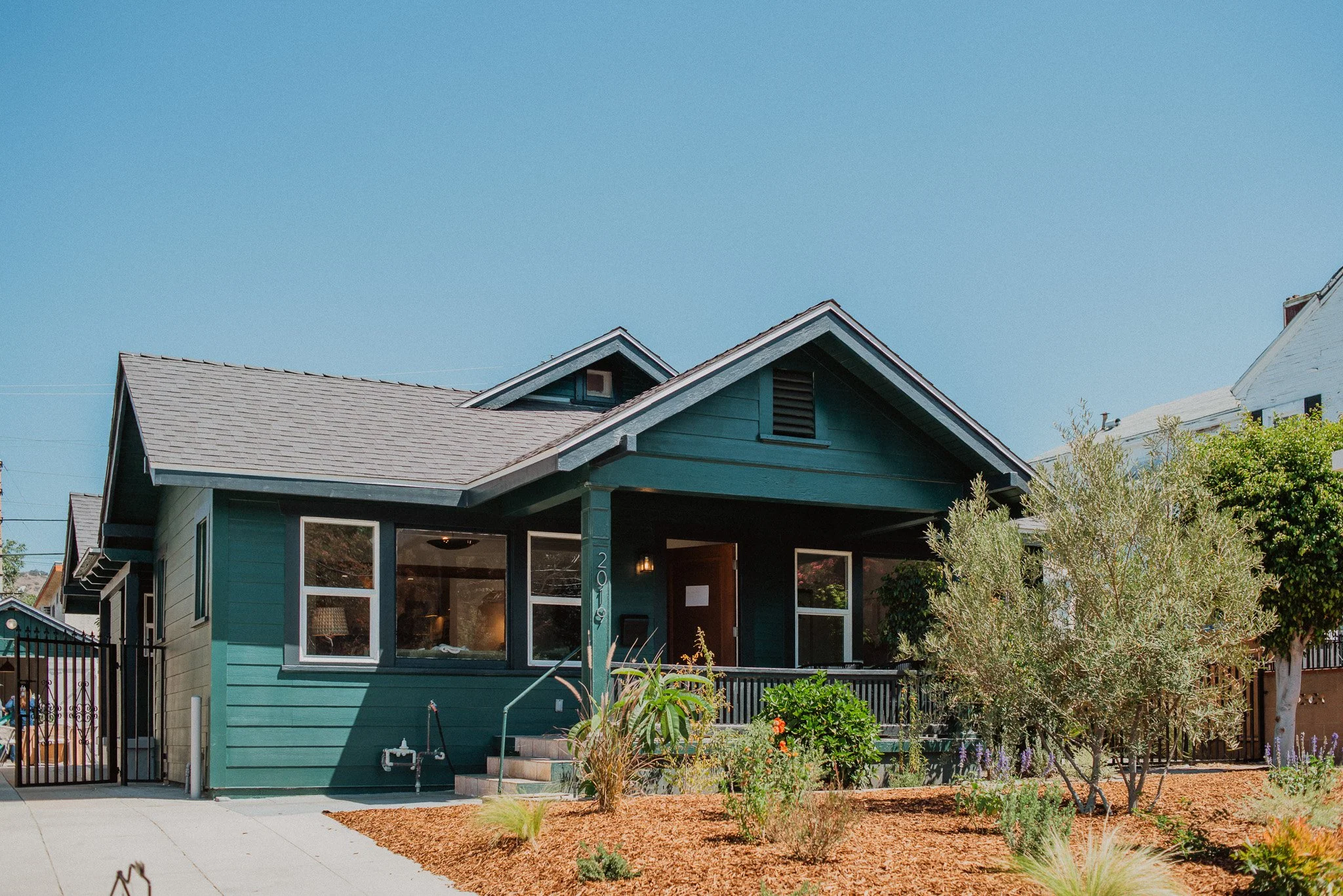
Listed by Maribel Benitez and Kelly Tran of Compass
Yes, you should start shopping for homeowners insurance while you're in escrow rather than waiting until closing. In California, availability and pricing can vary significantly by property and insurer. If you're financing the purchase, your lender will generally require acceptable property insurance before the loan can close. If traditional coverage isn't available, the California FAIR Plan may be an option of last resort, but its standard coverage is more limited than a traditional homeowners policy.
You found the Pasadena house.
Your offer gets accepted.
We schedule inspections.
Everything looks good.
Then someone asks:
“Did you get your homeowners insurance quote yet?”
And you say:
“No. Don't I do that after I buy the house?”
Please don't wait that long.
Homeowners insurance used to be one of those things buyers often handled quietly in the background.
Pick a company.
Get a quote.
Send it to the lender.
Done.
California has changed.
Insurance is now something I want buyers investigating early in escrow.
Why Should I Check Insurance So Early?
Because I don't want you discovering a problem right before closing.
Imagine you're buying a Pasadena home for:
$1,300,000.
You love it.
Inspections are done.
The appraisal is done.
You're packing.
Then your insurance agent tells you:
“We're having trouble finding a company willing to write this property.”
Now what?
Maybe we find another carrier.
Maybe the premium is significantly higher than you expected.
Maybe the property needs certain improvements.
Maybe you have to explore the FAIR Plan.
Whatever the answer is, I'd rather have that conversation on day five than day 25.
Is Homeowners Insurance Required to Buy a House?
If you're paying cash, there generally isn't a mortgage lender requiring you to maintain homeowners insurance.
That doesn't mean I'd recommend owning a million-dollar house uninsured.
If you're financing the purchase, your lender will generally require insurance protecting the property because the home is collateral for the mortgage.
Your lender will tell you the coverage requirements for your particular loan.
Can I Get an Insurance Quote Before I Own the House?
Yes.
That's exactly what I want you to do.
Once we're in escrow, you can provide the property information to insurance agents and ask about coverage.
The insurance professional may want information about:
The address.
Age of the home.
Roof.
Electrical system.
Plumbing.
Square footage.
Construction.
Previous claims.
Fire risk.
Other property characteristics.
This is another reason inspections can be helpful.
The more we understand about the house, the better prepared you are to answer questions.
Why Is Home Insurance Harder to Get in California?
California's insurance market has been going through significant changes.
The California Department of Insurance says the state's insurance availability problems have been affected by increasing climate-related risks, global inflation, and insurers' decisions about where they are willing to write policies. The state has responded with its Sustainable Insurance Strategy, which is intended to increase availability and move more consumers back toward the traditional insurance market.
And this isn't just theoretical for Los Angeles County.
The Department of Insurance reported more than 41,000 claims related to the Eaton and Palisades fires and more than $25 billion in claims payments as of July 2026.
That doesn't mean:
“You can't insure a house in Pasadena.”
It means I don't want buyers assuming insurance will be identical for every property.
Is Insurance Getting Any Easier to Find?
There are signs of movement.
In September 2026, the California Department of Insurance announced that State Farm and Allstate had taken steps toward reopening new homeowners policies in California.
However, the Department specifically cautioned that those companies were not yet open for new business and that their filings remained under review.
So I wouldn't interpret the headlines as:
“The California insurance problem is over.”
But it does show that the market continues to evolve.
For buyers, the practical advice remains the same:
Shop early.
Does Every Pasadena Home Have the Same Insurance Risk?
Definitely not.
Even within the same city, insurers can evaluate properties differently.
The house itself matters.
The location matters.
Its condition matters.
Its construction matters.
The surrounding risk matters.
That's why I don't like saying:
“My other client paid $2,400, so you'll probably pay $2,400.”
Different house.
Different buyer.
Different insurer.
Different underwriting.
Get an actual quote.
Are Pasadena Hillside Homes Harder to Insure?
Potentially.
Properties closer to wildland areas or in locations insurers view as having greater wildfire exposure can be more difficult or expensive to insure.
But I don't want to make assumptions based solely on the neighborhood.
If you're considering a hillside or foothill property, let's have an insurance professional evaluate the actual address.
That's much more useful than asking:
“Is this neighborhood insurable?”
What If the House Has an Old Roof?
That may matter.
Insurers can have underwriting requirements involving the property's condition.
An older roof doesn't automatically mean:
No insurance.
But it may affect:
Eligibility.
Premium.
Required repairs.
Coverage.
The same can be true of other major systems.
If the home inspection identifies something significant, I want you discussing it with the insurance professional while we're still evaluating the property.
What If the House Has Old Electrical?
Same idea.
Pasadena has plenty of older homes.
That's part of what makes the city's housing stock interesting.
But an older home may have systems that deserve additional investigation.
If an insurance company has concerns about a particular electrical system, roof, plumbing system, or other property feature, I want to know that during escrow.
Maybe the issue is manageable.
Maybe the insurer wants an update.
Maybe another company evaluates the risk differently.
We won't know until we ask.
Should I Call More Than One Insurance Company?
Yes.
Absolutely.
The California Department of Insurance specifically recommends shopping around and notes that insurers have different eligibility requirements. Its consumer resources include a Home Insurance Finder designed to help consumers locate agents and insurers serving their area.
One company saying no does not necessarily mean:
“This house is uninsurable.”
It may mean:
That company doesn't want this particular risk.
Keep shopping.
Should I Use an Insurance Broker?
That can be helpful.
An independent agent or broker may have access to multiple insurance companies rather than only one carrier.
The California Department of Insurance recommends working with licensed insurance professionals and provides tools for consumers who are having difficulty locating coverage.
I want you comparing actual options rather than stopping after one phone call.
What Is the California FAIR Plan?
The FAIR Plan is California's insurance option for property owners who have difficulty obtaining coverage through the traditional market.
The Department of Insurance describes it as an insurer of last resort and recommends considering it only after making a diligent effort to obtain coverage through regular insurers.
That's important.
The FAIR Plan isn't:
“California's normal homeowners insurance company.”
It's a safety-net option.
Does the FAIR Plan Cover Everything?
No.
This is probably the biggest thing buyers misunderstand.
The Department of Insurance says the basic FAIR Plan provides coverage for losses caused by:
Fire or lightning.
Internal explosion.
Smoke.
Additional coverage for certain other perils may be available for an extra premium.
But a basic FAIR Plan policy does not provide all the coverage you'd typically expect from a traditional homeowners policy, including certain protections such as liability and theft.
So don't hear:
“We can get FAIR Plan coverage.”
and assume:
“Great. Problem solved.”
We need to understand what that policy actually covers.
What Is a Difference in Conditions Policy?
You'll often hear this shortened to:
DIC policy.
Because the FAIR Plan's standard coverage is limited, homeowners may purchase a separate Difference in Conditions policy to fill some of the gaps.
The California Department of Insurance specifically recommends considering DIC coverage when using the FAIR Plan because it can provide protection for certain perils not included in the basic FAIR Plan policy.
So a buyer's insurance setup might involve:
FAIR Plan + DIC policy
instead of one traditional homeowners policy.
Does That Mean I'll Be Fully Covered?
Don't assume that.
Insurance policies vary.
Coverage limits vary.
Exclusions vary.
Deductibles vary.
Ask the insurance professional to explain exactly what is and isn't covered.
I can help you understand the real estate side.
I'm not your insurance agent.
And I don't want to pretend that reading the premium amount tells us everything we need to know.
How Much Does Homeowners Insurance Cost in Pasadena?
There's no number I can responsibly give you that applies to every house.
Your premium can depend on factors such as:
Property location.
Construction.
Age.
Roof.
Replacement cost.
Coverage limits.
Deductible.
Wildfire exposure.
Claims history.
Insurance company.
Other underwriting factors.
That's why insurance belongs in our affordability conversation before you buy.
Insurance Can Change the Monthly Payment More Than You Expect
Suppose you've been estimating:
Mortgage.
Property taxes.
HOA.
Insurance.
You assumed insurance would cost one amount.
Then the actual quote comes in substantially higher.
That changes your monthly housing expense.
Maybe you're still completely comfortable.
Maybe you're not.
Either way, I want the real number.
Not an online mortgage calculator's guess.
Does My Lender Care Which Insurance Company I Use?
Your lender will have insurance requirements that the policy needs to satisfy.
That's why I want your insurance agent and lender communicating before closing.
Don't assume a policy works simply because someone gave you a quote.
Send the insurance information to the lender.
Make sure it satisfies the loan requirements.
Can Insurance Delay My Closing?
Absolutely.
If the lender requires insurance and you don't have an acceptable policy in place, that can create a closing problem.
This is why:
“I'll deal with insurance the week we close.”
is not my favorite strategy.
Start early.
Can Insurance Affect Whether I Buy the House?
It should be part of your decision.
Suppose we find a beautiful Pasadena home.
Then we learn:
Coverage is difficult to obtain.
The available premium is far more expensive than expected.
The insurer requires expensive improvements.
Or your available coverage options have limitations you're uncomfortable with.
That's information you should have while you're still evaluating the purchase.
Insurance isn't just paperwork.
It's part of the cost and risk of owning the property.
What If the Seller Already Has Insurance?
That doesn't mean you'll automatically get the same coverage.
Their policy belongs to them.
Their insurance company still has to evaluate you and the property for a new policy.
The seller saying:
“I've never had trouble getting insurance.”
is nice information.
It isn't an insurance quote.
Can the Seller Transfer Their Insurance Policy to Me?
Generally, you're going to obtain your own policy.
Insurance contracts and underwriting are specific to the insured party and property.
Don't build your purchase strategy around assuming the seller's policy simply gets handed over with the keys.
Talk with your insurance professional.
What If the Seller Was Non-Renewed?
That's something I want to know more about.
Why?
Was it related to:
The property?
The area?
The insurer leaving a market?
A claim?
A condition issue?
A company-wide underwriting decision?
A non-renewal doesn't automatically mean the house can't be insured.
But it's useful information.
What If the Home Was Affected by the Eaton Fire?
This deserves careful investigation.
Pasadena and surrounding communities were directly affected by the January 2025 Los Angeles wildfires.
The Department of Insurance continues tracking claims related to the Eaton and Palisades fires, with more than $25 billion paid as of July 2026.
If you're buying a property that sustained damage or is near an affected area, I want you understanding:
What happened to the property.
What repairs were completed.
Whether permits were required.
What documentation exists.
And what your insurer needs to know.
Don't rely on assumptions.
Should I Ask About Insurance Before Writing an Offer?
For certain properties, yes.
If we're looking at a property where insurance availability seems like it could be a concern, I may suggest contacting an insurance professional before we even write the offer.
That could be particularly useful for:
Hillside properties.
Homes near higher wildfire-risk areas.
Properties with unusual construction.
Homes with known condition issues.
Properties where insurance has previously been difficult.
The goal isn't to panic.
The goal is to get information.
Should I Remove My Contingencies Before I Have Insurance?
I would be very cautious about removing applicable contingencies before you understand whether you can obtain insurance acceptable to you and your lender.
Once contingencies are removed, your contractual position can change significantly.
This is exactly why insurance research belongs early in escrow.
What Questions Should I Ask the Insurance Agent?
Don't only ask:
“What's the premium?”
Ask:
What is the dwelling coverage?
What deductible applies?
Is there a separate wildfire deductible?
What losses are covered?
What isn't covered?
Is replacement cost included?
What about personal property?
Loss of use?
Liability?
Water damage?
What property improvements are required?
Could the policy be subject to an inspection after issuance?
Now you're actually evaluating insurance.
What If Traditional Insurance Isn't Available?
Keep shopping.
The California Department of Insurance recommends exploring multiple agents and companies before turning to the FAIR Plan.
If traditional insurance still isn't available, the FAIR Plan may provide a last-resort option, and a DIC policy may help supplement its limited coverage.
There are also non-admitted or surplus-lines options that an insurance professional may discuss with you depending on the circumstances. The Department includes that market among the alternatives consumers can explore when other options don't work.
Is the California Insurance Market Improving?
It's changing.
The Department of Insurance's Sustainable Insurance Strategy is designed to increase the availability of traditional coverage, particularly in wildfire-distressed areas.
And in September 2026, the Department announced that State Farm and Allstate had filed plans that could lead to additional new homeowners policies.
But those filings were still under review when the Department announced them, and it specifically told consumers not to wait for approval before shopping for coverage.
So that's exactly what I would do.
Shop what's available today.
Frequently Asked Questions
Can I get homeowners insurance before I own the house?
Yes. Buyers commonly shop for and arrange coverage during escrow so the policy can become effective when ownership transfers.
If you're financing the purchase, your lender will typically require acceptable coverage before closing.
Is homeowners insurance hard to get in Pasadena?
It depends on the individual property and insurer.
California continues to experience insurance availability challenges, particularly in areas with greater wildfire exposure, although the state's insurance market is undergoing significant regulatory and carrier changes.
What is the California FAIR Plan?
The FAIR Plan is an insurance option of last resort for Californians who have difficulty obtaining property coverage through the traditional insurance market.
Does the FAIR Plan replace regular homeowners insurance?
Not necessarily.
The basic FAIR Plan has more limited coverage than a traditional homeowners policy. Homeowners may need a separate Difference in Conditions policy to obtain additional protections.
Should I get an insurance quote before removing contingencies?
I strongly recommend investigating insurance early enough that you understand availability, cost, coverage, and lender requirements before making major contractual decisions.
Does the seller's insurance transfer to the buyer?
Generally, buyers obtain their own homeowners insurance policy rather than taking over the seller's existing policy.
Can insurance problems delay escrow?
Yes.
If you're obtaining a mortgage and the lender requires insurance, difficulty securing an acceptable policy can interfere with the closing timeline.
So What's the Next Step?
If you're looking at a Pasadena home, add one more person to the list of people I want involved early:
Your insurance agent.
Don't wait until we've finished inspections.
Don't wait until the appraisal comes back.
And definitely don't wait until we're three days from closing.
Once your offer is accepted, let's start figuring out:
Can we get traditional homeowners insurance?
What will it cost?
Are there multiple options?
Does the property condition create concerns?
Does the insurer need additional information?
Does your lender approve the coverage?
And if traditional coverage isn't available, what are the alternatives?
The California Department of Insurance recommends shopping the traditional market before using the FAIR Plan and provides tools specifically designed to help consumers locate insurance options.
That's exactly the approach I want to take.
We're not going to assume:
“Pasadena is impossible to insure.”
And we're not going to assume:
“Insurance will be fine. We'll deal with it later.”
We're going to find out.
Because buying a home isn't just about whether you can afford the purchase price.
It's about whether you can comfortably and responsibly own the property after escrow closes.
After nearly 20 years helping buyers throughout Pasadena and the San Gabriel Valley, I've learned that the best transactions are the ones where we identify potential problems early enough to actually do something about them.
If you're thinking about buying a home in Pasadena, I'd be happy to help you look at the entire picture before you make an offer, including inspections, property taxes, insurance, financing, and the other expenses and risks that determine whether a particular home is actually the right purchase for you.