Should I Move Out Before Selling My Monterey Park Home?
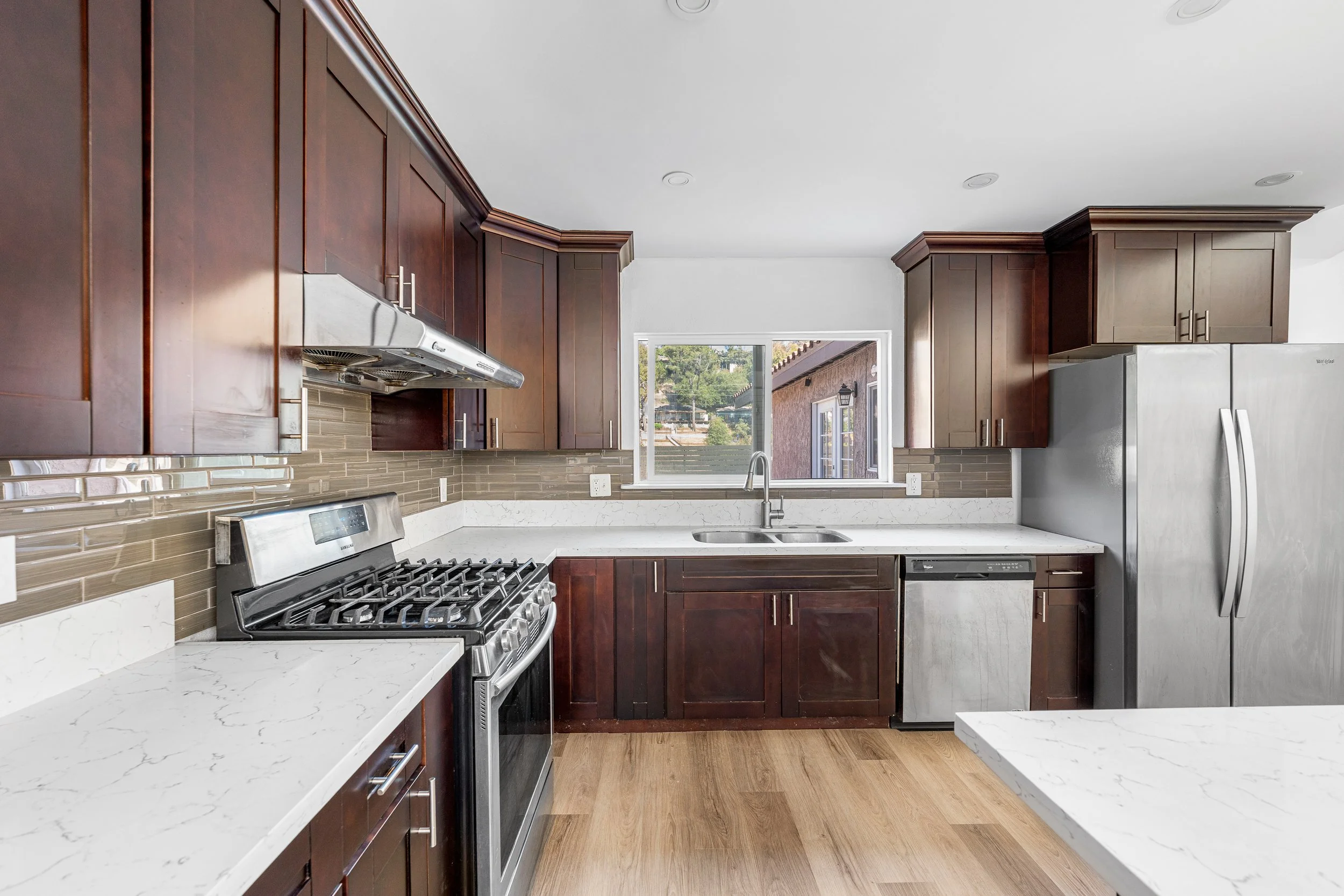
Listed by May Kunka, Realtor of Compass in Monterey Park
You don't have to move out before selling your Monterey Park home. Both vacant and occupied homes can sell successfully. Moving out first may make cleaning, repairs, staging, photography, and showings easier, but it can also mean carrying two properties at once. The better option depends on your finances, the home's condition, your moving timeline, and how much preparation the property needs before going on the market.
You've decided it's finally time to sell your Monterey Park home.
Maybe you've lived there for 30 years.
Maybe the kids have moved out and the house is simply too big.
Or maybe you've already found your next home and you're trying to figure out how to coordinate everything.
Then comes the question:
"Should I move out before we put the house on the market?"
I get this one quite a bit.
And while selling a vacant home can certainly make my job easier, that doesn't automatically mean it's the best decision for you.
Sometimes moving out first is absolutely worth it.
Other times, I'd rather have you stay put, save the extra expenses, and work around your schedule.
Let's talk about the differences.
Do Vacant Homes Sell Faster Than Occupied Homes?
Not necessarily.
A vacant home can be easier to show, and that can help us accommodate more buyers.
But vacancy alone doesn't make a property sell faster.
Price, condition, location, marketing, and buyer demand still matter much more.
I've seen beautifully presented occupied homes attract strong interest, and I've seen empty houses sit on the market because they were overpriced.
So I wouldn't recommend moving out simply because someone told you vacant homes always sell faster.
They don't.
What matters is whether moving out allows us to present the property more effectively.
What Are the Advantages of Moving Out Before Selling?
The biggest advantage is flexibility.
If the house is empty, we can prepare it without worrying about disrupting your daily routine.
That might include painting, replacing flooring, making repairs, or having the property professionally cleaned.
We can also schedule photography and showings more easily.
And if we decide to stage the home, we have a blank canvas to work with.
For a property that needs significant preparation, this can make a big difference.
Especially if you've been living there for several decades and have accumulated a lot of furniture and belongings.
Moving first gives us room to work.
Is It Easier to Stage a Vacant Home?
Often, yes.
Professional staging can help buyers understand how a space functions.
Where does the dining table go?
Can that bedroom fit a king-size bed?
Is there enough room for a sofa and two chairs?
How would you use an unusually shaped living room?
These questions are easier to answer when the furniture is thoughtfully arranged.
And when the home is vacant, we can select pieces that complement the rooms rather than trying to work around everything you already own.
But here's something important.
Staging isn't the same as filling every room with furniture.
Sometimes a few carefully chosen pieces are all we need.
And sometimes a home shows perfectly well with the seller's existing furniture.
It depends on the property.
Should I Stage My Monterey Park Home If It's Empty?
I'd at least consider it.
An empty house can sometimes feel smaller than it actually is.
That sounds strange, but furniture helps establish scale.
Without a bed, buyers may have trouble judging the size of a bedroom.
Without a dining table, they may not understand how the dining area works.
And without seating, an unusually shaped living room can feel awkward.
This is especially relevant for homes with unique floor plans.
Monterey Park has plenty of properties built across different decades, including hillside homes, split-level layouts, and houses that have been expanded over time.
Sometimes the layout makes perfect sense once you see how the furniture fits.
That doesn't mean every vacant property needs full staging.
We should evaluate the cost against the potential benefit.
What If My Furniture Is Already Nice?
Then we may not need professional staging at all.
If your furniture fits the space, complements the home, and allows buyers to move comfortably through the rooms, we can work with it.
Maybe we rearrange a few pieces.
Remove an oversized chair.
Clear off countertops.
Put away some personal photographs.
And add a few finishing touches.
I've seen homes photograph beautifully with the owner's existing furniture.
The goal isn't to make every house look like a furniture showroom.
It's to help buyers appreciate the property.
Is It Harder to Sell a Home While Living in It?
It can be.
Mostly because keeping a home ready for showings takes work.
Imagine getting a call at 10 a.m.
"Can we show the house at noon?"
Now you're rushing to:
Make the beds.
Put away the dishes.
Clear the kitchen counters.
Take the dog for a walk.
Turn on the lights.
And leave the house for an hour.
Then you come home, settle back in, and get another showing request.
That can become exhausting.
Especially if you're working from home, have young children, or have pets.
But it doesn't have to be chaotic.
We can establish a showing schedule that balances buyer access with your daily life.
Do I Have to Leave During Showings?
I generally recommend giving buyers space to tour the property without the seller present.
People tend to feel more comfortable asking questions and discussing the home when the owner isn't standing nearby.
They may want to talk about the kitchen layout.
The condition of the bathrooms.
Possible renovations.
Or whether the furniture they own will fit.
Those conversations can feel awkward when the seller is listening.
So if you're living in the house during the sale, we'll plan for you to step out during showings whenever possible.
Maybe you take a walk.
Grab coffee.
Run errands.
Or visit a friend.
It's a temporary inconvenience, but one that can help buyers feel comfortable exploring the home.
What About Pets?
This is a big consideration.
I love dogs, but not every buyer does.
And even friendly pets can become stressed when unfamiliar people are walking through their home.
For everyone's safety, I recommend making arrangements for pets during showings.
That might mean taking them with you or having someone care for them temporarily.
I wouldn't leave a dog loose in the house and assume every visitor will be comfortable.
And I wouldn't expect a buyer's agent to be responsible for managing your pets.
If you have multiple animals or a pet that's especially sensitive to visitors, moving out before listing may make the process considerably easier.
Will Buyers Judge My Personal Belongings?
Buyers are supposed to be evaluating the house.
But people are people.
They notice things.
A room packed with furniture can feel smaller.
Closets overflowing with belongings can make storage seem limited.
A crowded kitchen counter can distract from an otherwise beautiful kitchen.
That's why decluttering is so important.
And no, I'm not saying you need to get rid of everything you own.
Sometimes we just need to pack away items you're going to move anyway.
Think of it as getting a head start on your move.
Should I Move Out Before Making Repairs?
If the property needs extensive work, moving out first may be the easier option.
For example, suppose we're planning to:
Paint the entire interior.
Replace flooring.
Repair damaged drywall.
Update light fixtures.
Deep clean the property.
And remove unwanted furniture.
Doing all of that while you're living in the house can be pretty disruptive.
Furniture needs to be moved.
Rooms may be temporarily unusable.
Contractors need access.
And the work may take longer because we're trying to accommodate your daily routine.
If you've already purchased your next home, moving first may make sense.
But if moving out means paying for temporary housing, we should compare that expense with the benefit.
Can I Sell My Home Without Making It Look Perfect?
Absolutely.
Not every home needs a major makeover.
Sometimes a thorough cleaning, a little landscaping, and some minor repairs are enough.
Other times, the property would benefit from more preparation.
I want to look at the house before recommending how much work to do.
Maybe the original kitchen is charming.
Maybe the bathrooms are dated but well-maintained.
Maybe the hardwood floors are in great condition.
I don't want you spending $40,000 on renovations simply because you think buyers expect everything to look brand-new.
We need to consider what buyers in your price range and neighborhood actually value.
What Are the Downsides of Moving Out Before Selling?
The biggest downside is cost.
If you move into another property before selling your current home, you may have overlapping housing expenses.
Let's say your current Monterey Park home costs $2,500 per month to carry.
Your new home costs $5,500 per month.
For the period you own both properties, that's approximately $8,000 per month in combined housing expenses.
And that doesn't include all the possible additional costs of maintaining two homes.
Now imagine your old house takes three months to sell.
You need to be financially comfortable with that possibility.
Because even with excellent marketing, I can't guarantee exactly how long a property will take to sell.
What If My Current Home Is Paid Off?
That certainly helps.
If you don't have a mortgage, your carrying costs may be much lower.
But they aren't zero.
You still have property taxes.
Insurance.
Utilities.
Landscaping.
Maintenance.
And potentially HOA dues.
An empty house can also require additional attention.
So while owning your home free and clear gives you more flexibility, I still want to calculate what keeping it vacant will cost.
Does Homeowners Insurance Change When a House Is Vacant?
It can.
This is something sellers sometimes overlook.
Certain homeowners insurance policies have restrictions or exclusions related to vacancy or extended periods of unoccupancy.
Coverage depends on the policy and insurer.
If you're planning to move out and leave the property empty for an extended period, contact your insurance provider before doing so.
You may need an endorsement or different coverage.
The last thing I want is for you to assume your policy covers something that it doesn't.
Is a Vacant Home More Vulnerable to Problems?
Potentially.
When nobody lives in the house, small issues can go unnoticed.
A plumbing leak.
A malfunctioning irrigation system.
A broken window.
A package left at the front door.
Or an electrical issue.
Vacant properties can also attract unwanted attention if they appear neglected.
So if we're selling an empty home, I recommend keeping it maintained and checking on it regularly.
That includes landscaping, utilities, security, and basic upkeep.
We still want the property looking cared for.
Should I Turn Off the Utilities After Moving Out?
Usually, I recommend keeping essential utilities active while the home is listed.
We need electricity for lights, photography, inspections, and showings.
We may need water for plumbing inspections, landscaping, and normal property maintenance.
And depending on the season, maintaining a comfortable indoor temperature can make showings more pleasant.
The exact utilities needed will depend on the property.
But I wouldn't automatically shut everything off just because you've moved out.
What If I'm Selling My Parents' Home?
This is a situation where selling vacant may make particular sense.
Maybe your parents have moved into senior living.
Maybe they're downsizing.
Or maybe you've inherited the property.
The house could be filled with decades of belongings.
Furniture.
Photographs.
Kitchenware.
Old paperwork.
Things that have sentimental value but won't be moving to the next home.
In these situations, I often think the most important first step isn't painting or staging.
It's deciding what the family wants to keep.
Once that's handled, we can evaluate the condition of the house and determine what preparation is worthwhile.
And I always encourage families to give themselves enough time for that process when possible.
Sorting through a longtime family home can be emotional.
It doesn't need to be rushed just because we're planning to sell.
What If I'm Buying My Next Home Before Selling?
This can be a great strategy when your finances allow it.
You find your replacement home.
Move in.
Then prepare your existing property for sale.
You don't have to coordinate two moves on the same day.
You don't have to keep your home spotless while buyers tour it.
And you can focus on getting the property ready.
But the financing needs to make sense.
Some buyers can qualify for two mortgages.
Others may use temporary financing or access equity from their current home.
Before committing, I want you speaking with your lender and understanding the cost of carrying both properties.
What If I Need the Money From My Current Home to Buy the Next One?
Then moving out first may not be realistic.
And that's perfectly fine.
We can sell your existing home while you're still living there.
Then coordinate the purchase of your next property around the sale.
Depending on the circumstances, we may also be able to negotiate a rent-back agreement with your buyer.
That could allow you to remain in the property temporarily after closing, subject to the agreed terms.
It's not guaranteed, and the buyer's financing and occupancy requirements can affect what's possible.
But it's one of several ways we can work toward a smoother transition.
What Is a Seller Rent-Back?
A seller rent-back is an arrangement where the seller remains in the home for an agreed period after the sale closes.
For example, you sell your Monterey Park home.
Escrow closes.
But instead of moving out that same day, you have a written agreement allowing you to remain for a specified period.
This may give you additional time to complete your next purchase or move.
The agreement should clearly address possession dates, payment terms, insurance, security deposits where applicable, and other responsibilities.
And because post-closing occupancy can create legal and financing considerations, it needs to be structured carefully.
I wouldn't assume a buyer will automatically agree to it.
But it's worth discussing when timing is important.
Should I Move Out Before the First Open House?
Not necessarily.
If the home is clean, organized, and ready for visitors, there's no reason you can't continue living there.
We can schedule open houses around your plans.
Maybe you visit family for the afternoon.
Maybe you take the dog to the park.
Maybe you use the time to run errands.
A little planning goes a long way.
The key is making sure buyers have the opportunity to experience the property comfortably.
Can I Limit Showings to Certain Days?
We can discuss reasonable showing arrangements.
For example, maybe weekdays after 5 p.m. work better for your schedule.
Or maybe you prefer a few designated showing windows.
The tradeoff is that more restrictive access can make it harder for some buyers to see the property.
And if a buyer is only in town for one afternoon, limited availability could mean they miss it entirely.
So I like to strike a balance.
Protect your schedule, but make the property accessible enough to attract serious buyers.
What If I Have a Lot of Furniture?
This is common in longtime family homes.
And it's not a problem we can't work through.
Sometimes removing a few large pieces makes a dramatic difference.
A bulky sectional might make the living room feel smaller.
An oversized dining table could interrupt the flow of the room.
Extra bedroom furniture may make it difficult to appreciate the space.
We don't necessarily need to empty the house.
We just need to make the rooms feel comfortable and functional.
If you're already planning to move, packing some items early can help.
Does a Vacant House Look Better in Listing Photos?
Not automatically.
A professionally staged vacant home can photograph beautifully.
But a completely empty house can sometimes feel cold or unfinished.
And an occupied home with attractive furniture and good natural light may look fantastic.
What matters is presentation.
Clean spaces.
Good lighting.
Thoughtful furniture placement.
And photography that accurately shows the home's layout and features.
I don't want to remove all the personality from a house.
I just want buyers to be able to picture themselves living there.
Will Moving Out Increase My Sale Price?
It might help indirectly if it allows us to improve the property's presentation.
But there's no guarantee.
Let's say moving out allows us to:
Refinish the hardwood floors.
Paint the interior.
Stage the main living areas.
And photograph the home without clutter.
Those improvements could make the property more appealing.
But we still need to compare the preparation costs and carrying expenses with the potential benefit.
Moving out isn't a strategy by itself.
It's one possible part of a larger selling plan.
When Would I Recommend Moving Out First?
I'd seriously consider it when:
You've already purchased your next home.
You can comfortably afford the overlapping expenses.
The property needs substantial repairs or cosmetic work.
There's a significant amount of furniture or clutter to remove.
Showings would be especially disruptive.
The home's layout would benefit from professional staging.
You want more flexibility with the listing schedule.
Even then, I'd want to review the timeline and costs before making a recommendation.
When Would I Recommend Staying in the Home?
Staying may make more sense when:
You need the sale proceeds to purchase your next property.
Carrying two homes would create financial stress.
The property is already in good showing condition.
Your furniture works well for staging.
You can accommodate showings without too much disruption.
You don't have another place to live yet.
There's nothing wrong with selling a home while you're still living in it.
We just need a plan that works for you.
Frequently Asked Questions
Do I have to move out before selling my house in Monterey Park?
No. You can list and sell your home while continuing to live in it. Moving out beforehand is optional and depends on your circumstances.
Do vacant homes sell faster than occupied homes?
Not necessarily. Vacant homes may be easier to show and prepare, but pricing, condition, location, and market demand are more important factors.
Is it better to stage a vacant home?
Sometimes. Staging can help buyers understand room sizes, furniture placement, and how the home functions. However, a well-presented occupied home may not need professional staging.
Can I live in my house while it's listed for sale?
Yes. You'll need to coordinate photography, inspections, and showings, but many sellers remain in their homes throughout the listing process.
Should I leave during buyer showings?
Generally, I recommend giving buyers the opportunity to tour the property without the seller present so they can explore comfortably and speak openly with their agent.
What happens to homeowners insurance if my house is vacant?
Coverage can change depending on your policy and how long the property remains unoccupied. Contact your insurer to confirm what coverage applies.
Can I stay in my home after closing escrow?
Potentially, if the buyer agrees to a properly documented post-closing occupancy arrangement. The terms and availability depend on the transaction.
So What's the Next Step?
If you're getting ready to sell your Monterey Park home, I don't want you packing everything into a moving truck before we've even talked about the plan.
Let's look at the property first.
How much preparation does it need?
Would your furniture work for staging?
Are there repairs that would be easier to complete if the house were empty?
How comfortable are you with showings?
Have you already purchased your next home?
And what would it cost you to move out before selling?
Sometimes I'll walk into a house and think:
"This is in great shape. We can work with what you have."
Other times, I can see that removing the furniture, painting, and staging would make a noticeable difference.
But the recommendation should be based on your specific property and circumstances.
Not a blanket rule that every seller needs to move out.
After nearly 20 years helping homeowners throughout Monterey Park and the San Gabriel Valley, I've learned that preparing a home for sale is just as much about the seller's situation as it is about the house itself.
Some people have the flexibility to buy their next home first.
Others need to coordinate two transactions carefully.
And some are simply ready to move on after decades in the same property.
Whatever your situation, we can put together a plan that makes sense.
If you're thinking about selling your Monterey Park home, I'd be happy to walk through the property with you, discuss what preparation is worthwhile, and help you decide whether moving out first would actually benefit your sale.