Should I Buy a Condo or a Single-Family Home in Pasadena?
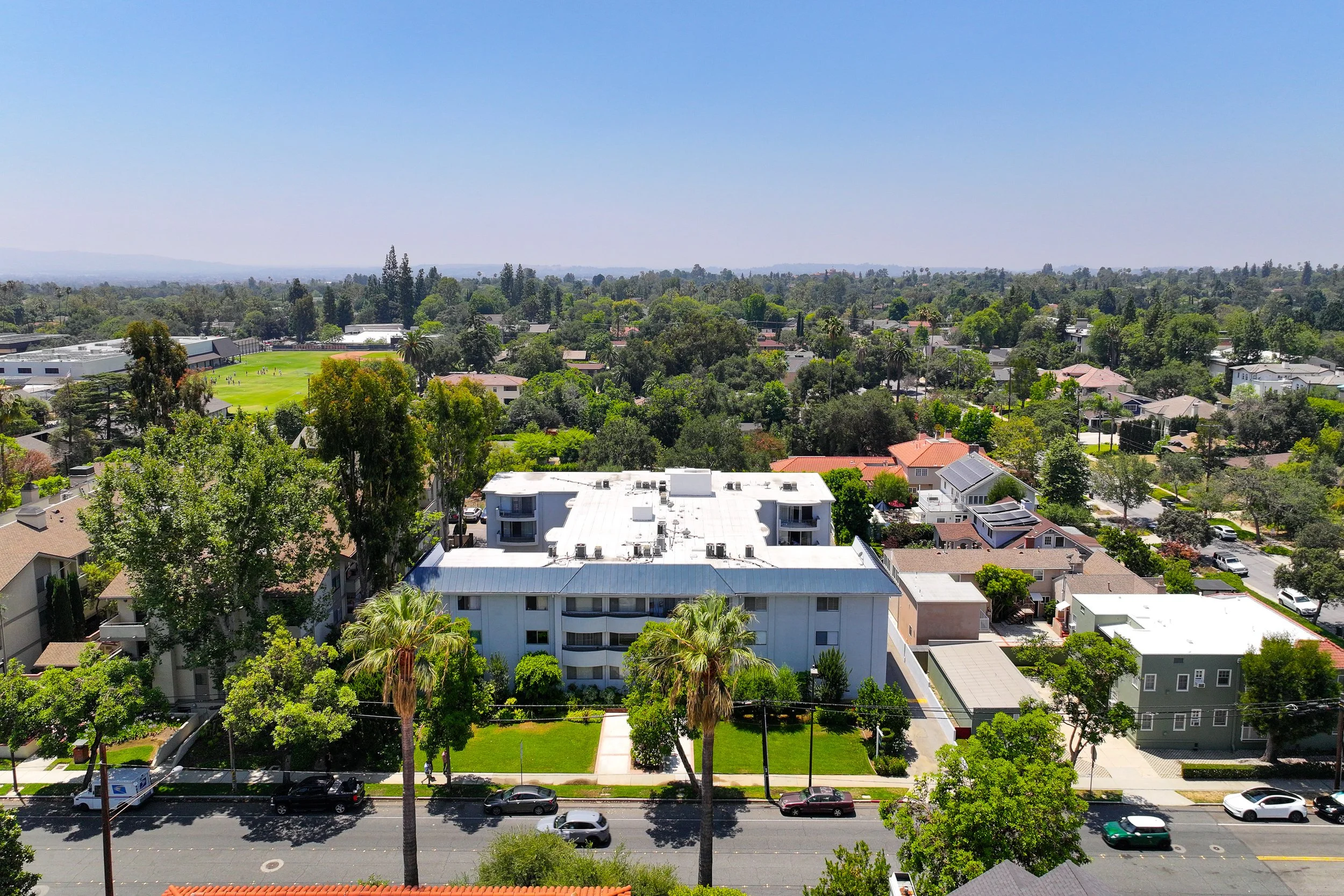
Listed by May Kunka, Realtor of Compass in Pasadena
Whether you should buy a condo or a single-family home in Pasadena depends on your budget, lifestyle, maintenance preferences, and long-term plans. Condos often provide a lower entry price and less individual responsibility for exterior maintenance, while single-family homes typically offer more privacy, outdoor space, and control over the property. However, HOA fees, insurance, financing requirements, and future repairs can make the true cost of ownership more complicated than simply comparing purchase prices.
You're looking at homes in Pasadena, and you've narrowed your search down to two very different properties.
One is a beautiful two-bedroom condo near South Lake Avenue. Updated kitchen, secure parking, maybe a pool, and you can walk to restaurants and coffee shops.
The other is a small single-family home with an older kitchen, a little backyard, and a garage that could use some attention.
Both have things you love.
And now you're asking me:
"Which one is the better investment?"
That's a good question, but it's not the only one I'd ask.
Because the right property isn't necessarily the one that appreciates the most or has the lowest monthly payment. It's the one that makes sense for how you actually want to live.
Let's break it down.
Is It Cheaper to Buy a Condo in Pasadena?
Generally, condos can offer a more affordable entry point than detached single-family homes in the same area.
That's one of their biggest advantages.
If you're trying to buy your first property in Pasadena, a condo may give you access to a neighborhood where purchasing a detached house would stretch your budget.
And depending on the building, you might get features that would be difficult to find in a similarly priced single-family home.
Covered parking.
A community pool.
Secure entry.
Landscaped grounds.
Maybe even a gym.
But here's the part I always want buyers to understand.
A lower purchase price doesn't automatically mean a lower monthly cost.
We need to look beyond the asking price.
How Much Do HOA Fees Affect My Monthly Payment?
Quite a bit, depending on the community.
Let's say we're comparing two hypothetical properties.
The first is a Pasadena condo priced at $700,000.
The second is a small single-family home priced at $850,000.
For illustration, let's assume a 20% down payment, a 6.5% fixed interest rate, and a 30-year mortgage for both.
Monthly ExpenseCondoSingle-Family HomePurchase price$700,000$850,000Down payment$140,000$170,000Principal and interestApprox. $3,540Approx. $4,298HOA dues$550$0Property taxes, insurance, maintenanceAdditionalAdditional
The condo has a significantly lower purchase price.
But after adding the $550 monthly HOA fee, the difference in principal, interest, and HOA costs narrows to approximately $208 per month.
That's before considering property taxes, insurance, utilities, and maintenance.
And remember, the single-family homeowner is responsible for expenses that may already be partially covered by the condo's HOA dues.
This is why I don't like comparing properties based on the mortgage payment alone.
These figures are hypothetical illustrations, not current mortgage quotes or property-specific cost estimates.
What Do Pasadena Condo HOA Fees Actually Cover?
It depends on the association.
Some HOA dues may cover:
Common-area landscaping and maintenance.
Community pools or recreational facilities.
Exterior building maintenance.
Common-area insurance.
Trash or certain utilities.
Management and administrative expenses.
Contributions to reserve funds.
Other communities cover fewer expenses.
And the details can make a big difference.
For example, one association might maintain the roof and exterior walls, while another may assign certain maintenance responsibilities to individual owners.
That's why I want to read the governing documents and budget rather than assuming everything outside your front door is the HOA's responsibility.
Are HOA Fees Just Money I'm Throwing Away?
I hear this from buyers all the time.
"I don't want to pay an HOA because that money doesn't build equity."
I understand the concern.
But here's another way to look at it.
If you own a detached house, you're still paying for maintenance.
You just pay for it differently.
Maybe you spend $8,000 replacing a section of roof.
Another $3,000 repairing a fence.
Then $1,500 on landscaping and tree trimming.
Those expenses aren't building equity in the same direct way as paying down your mortgage either.
Some HOA expenses are simply the shared cost of maintaining the property.
The important question is whether the association is managing those costs responsibly.
What Is a Special Assessment?
A special assessment is an additional charge that an HOA may impose on owners to cover certain expenses beyond its regular budget and reserves.
Let's say a condo community needs major roof repairs.
The total project costs significantly more than the association has saved.
The HOA may need to raise additional funds from the owners, subject to applicable law and governing documents.
That could mean an extra payment on top of your regular monthly dues.
And depending on the project and the community, it could be substantial.
This is one reason I always want buyers to investigate the financial health of a condo association.
The California Department of Real Estate recommends reviewing HOA financial information, governing documents, and other disclosures before purchasing a property in a common-interest development.
How Do I Know if a Pasadena HOA Is Financially Healthy?
We need to review the documents.
I pay particular attention to:
The current budget.
Reserve studies.
Reserve funding.
Recent and planned special assessments.
Meeting minutes.
Pending litigation.
Insurance coverage.
Delinquent HOA dues.
Major upcoming maintenance projects.
And any significant increases in monthly assessments.
For example, if the building is 40 years old and the HOA has very little money set aside for future repairs, I want to understand how it plans to pay for major projects.
That doesn't automatically mean the condo is a bad purchase.
But it could affect your future expenses.
Do Condos Appreciate as Much as Single-Family Homes?
There's no universal answer.
Single-family homes often have an advantage because buyers value the land, privacy, and flexibility that can come with detached ownership.
But that doesn't mean condos are poor investments.
Location matters.
Condition matters.
Building quality matters.
HOA finances matter.
And what you paid in the first place matters.
A well-located Pasadena condo purchased at a reasonable price could be a much better financial decision than an overpriced house that needs major repairs.
I wouldn't promise that either property type will appreciate at a particular rate.
Instead, I'd look at comparable sales and the historical performance of similar properties in the neighborhood.
What About Privacy?
This is where the differences can become pretty obvious.
In a condo, you may share walls, ceilings, or floors with neighbors.
You might hear footsteps overhead.
Someone's television.
Doors closing in the hallway.
Or activity around the community pool.
Of course, not every condo has these issues.
Construction quality and building layout make a huge difference.
But if you're particularly sensitive to noise, I want you paying attention during showings.
A detached single-family home generally provides more separation from neighbors.
Although, as anyone who's lived next to a barking dog or a very enthusiastic backyard party can tell you, detached homes aren't automatically quiet either.
Is a Single-Family Home Better if I Want Outdoor Space?
Usually, if having a private yard is a major priority.
Pasadena has some wonderful homes with patios, gardens, mature trees, and outdoor entertaining areas.
And if you enjoy gardening, having a dog, or simply sitting outside without sharing the space, a detached home may be especially appealing.
But a yard also means maintenance.
Landscaping.
Irrigation.
Tree trimming.
Fence repairs.
Drainage.
And sometimes unexpected expenses.
A condo with a private patio or balcony may offer just enough outdoor space without requiring you to spend your weekends maintaining it.
It really depends on what you want.
Can I Remodel a Condo the Same Way I Can Remodel a House?
Not necessarily.
Condo owners generally have less freedom when changes affect common areas, structural components, plumbing, exterior appearance, or other elements governed by the HOA.
Even certain interior renovations may require association approval.
Want to replace your flooring?
The HOA might have soundproofing requirements.
Want to move a wall?
You may need architectural approval.
Want to install new windows?
Those might be considered common-area components.
With a single-family home, you generally have more control, although city permits, zoning, historic preservation requirements, and other restrictions can still apply.
This is especially relevant in Pasadena, where some homes are located in designated historic districts.
What If I Want to Build an ADU Someday?
A detached single-family home may offer more opportunities, depending on the property.
Maybe you're thinking about converting a garage.
Building a backyard cottage.
Creating space for family.
Or eventually generating rental income.
California's ADU laws have expanded opportunities for additional housing, but the property's zoning, lot conditions, access, utilities, and other requirements still matter.
Condominium properties can involve additional legal and HOA restrictions.
So if an ADU is part of your long-term plan, let's investigate feasibility before you purchase.
Don't assume every backyard or garage can accommodate one.
Is It Harder to Get a Mortgage on a Condo?
Sometimes.
When you purchase a condo, the lender may evaluate not only your personal finances but also the condominium project itself.
Depending on the loan program, factors can include:
HOA insurance.
Financial reserves.
Delinquent assessments.
Litigation.
Structural or maintenance concerns.
Owner occupancy and project eligibility requirements.
Fannie Mae and Freddie Mac have specific condominium project eligibility standards for certain loans.
So you might qualify financially for a $700,000 condo, but the building itself could present a financing problem.
That's why I want the lender checking project eligibility early.
What About Insurance?
Insurance works differently for condos and detached homes.
With a single-family home, you generally need a homeowners policy covering the dwelling and other applicable risks.
With a condo, the association may maintain a master insurance policy for certain portions of the building.
But that doesn't necessarily cover your personal belongings, interior improvements, personal liability, or everything inside your unit.
You may need a separate condo owner's policy.
And the division of coverage depends on the master policy and governing documents.
Insurance costs and availability have become important considerations throughout California, so I recommend obtaining quotes and reviewing coverage before removing applicable contingencies.
Are Condos Better for First-Time Buyers?
They can be.
A condo may allow you to purchase your first property sooner instead of waiting years to save for a more expensive detached house.
And for some buyers, that's a great way to enter the market.
Maybe you're currently renting in Pasadena.
You love the neighborhood.
You want to stop moving every couple of years.
And you'd like to start building equity.
A condo could be a reasonable option.
But I don't want you buying something simply because it's the least expensive property available.
We still need to look at the HOA, resale potential, financing, and how long you expect to live there.
Are Condos Better for Downsizing?
Sometimes they're ideal.
Imagine you've owned a four-bedroom house for 30 years.
The kids have moved out.
You're tired of maintaining the yard.
You don't need all that space.
And you'd love to travel without worrying about who's watering the plants.
A condo might be a great fit.
But I want to understand the building's accessibility.
Does it have an elevator?
Are there stairs between the garage and the unit?
Is the laundry inside?
How far is the parking space?
Are there thresholds or narrow doorways?
A beautiful condo on the third floor without an elevator may not be the best choice if you're hoping to age in place.
What If I Want to Rent the Property Out Later?
This is an important question to ask before buying a condo.
Some HOAs have rental restrictions.
There may be limitations on short-term rentals, lease terms, or other rental arrangements.
California law limits certain types of HOA rental restrictions, but that doesn't mean every rental arrangement is automatically permitted.
We need to review the governing documents and applicable law.
With a detached single-family home, you may have fewer HOA-related restrictions, but local and state rental laws still apply.
If there's any chance you'll keep the property as an investment in the future, let's discuss that before buying.
Which Property Is Easier to Sell Later?
Both can sell well when they're priced appropriately and meet buyer expectations.
But they appeal to somewhat different audiences.
A detached home with a yard may attract buyers who prioritize privacy, outdoor space, and flexibility.
A condo may appeal to first-time buyers, downsizers, commuters, or people who prefer lower-maintenance living.
The resale experience also depends on factors such as location, property condition, HOA finances, financing availability, and competing inventory.
I wouldn't choose a property solely based on which one seems easier to sell someday.
But resale should absolutely be part of the conversation.
What If the Condo Has a Beautiful Remodel but the Building Is Older?
This is something I want buyers to think about.
You walk into the unit.
Gorgeous kitchen.
New flooring.
Beautiful bathrooms.
Everything looks perfect.
But what about the building?
How old is the roof?
What's the condition of the plumbing?
Has the association completed major repairs?
Are there upcoming projects?
How healthy are the reserves?
You aren't just buying the interior of the condo.
You're buying an ownership interest in a community with shared financial and maintenance obligations.
A beautiful renovation doesn't eliminate those responsibilities.
What If the Single-Family Home Needs Work?
Now we're comparing two different types of risk.
Maybe the condo is move-in ready, but it has $600 monthly HOA dues.
The detached home costs more and needs a new roof, updated plumbing, and kitchen repairs.
Which is the better purchase?
We need to estimate the actual costs.
Not just the asking prices.
Maybe the single-family home gives you more long-term flexibility.
Maybe the condo is more affordable and better suited to your lifestyle.
Or maybe neither is the right choice.
I want buyers comfortable walking away from a property that doesn't make financial sense.
Should I Stretch My Budget to Buy a House Instead of a Condo?
This is where I become cautious.
If you can comfortably afford a single-family home and that's what you really want, great.
But if purchasing a detached house means draining your savings, postponing essential repairs, and worrying about every unexpected expense, we need to reconsider.
Owning a home should improve your life.
Not make you anxious every time something breaks.
A condo that fits comfortably within your budget may be the smarter choice.
And for some buyers, renting a little longer may be better than purchasing either property.
There's no rule saying you have to buy the most expensive home a lender will approve.
How Do I Decide Between a Condo and a House?
I usually start with a few questions.
How long do you plan to live there?
If you're planning to stay for 10 years, your priorities may be different from someone expecting to move in three.
How important is privacy?
Shared walls may be a dealbreaker for some buyers and a complete nonissue for others.
Do you want a yard?
And more importantly, do you want to maintain one?
How comfortable are you with HOA rules?
Some people love the convenience. Others don't want a committee reviewing their remodeling plans.
What's your actual monthly budget?
Including taxes, insurance, HOA dues, utilities, maintenance, and reserves.
What might your life look like five years from now?
Marriage, children, pets, retirement, working from home, or aging parents can all change what you need from a property.
Those answers help us narrow down the right type of home.
Frequently Asked Questions
Is a condo cheaper than a house in Pasadena?
Condos often have lower purchase prices than detached single-family homes, but HOA dues, insurance, maintenance responsibilities, and potential special assessments can narrow the difference in monthly ownership costs.
Do Pasadena condos appreciate in value?
They can. Appreciation depends on the property's location, condition, market demand, building quality, HOA finances, and purchase price. Future appreciation isn't guaranteed.
Are HOA fees worth paying?
They can be, depending on what the association provides and how well it manages the property. Buyers should review the budget, reserves, maintenance responsibilities, and potential assessments.
Can I rent out my Pasadena condo?
Possibly. Rental rules depend on the association's governing documents and applicable California law. Review those requirements before purchasing if future rental use is important to you.
Is it harder to get a mortgage for a condo?
It can be. Some mortgage programs require the condominium project to meet eligibility standards involving insurance, financial condition, maintenance, and other factors.
Is a condo a good option for downsizing?
Often, yes. Condos can provide smaller living spaces and less individual exterior maintenance, but buyers should also evaluate stairs, elevators, parking, accessibility, and HOA finances.
Should I buy a condo first and a house later?
That can be a reasonable strategy if the condo fits your budget and lifestyle. However, consider transaction costs, your expected ownership period, market conditions, and the possibility that selling or renting the condo later may not work exactly as planned.
So What's the Next Step?
If you're trying to decide between a condo and a single-family home in Pasadena, I don't want to start by telling you which one is the better investment.
I want to know how you actually live.
Do you enjoy gardening?
Do you need space for a dog?
Are you planning to have kids?
Do you travel frequently?
Would you rather spend your weekends exploring Pasadena or working on projects around the house?
And how much are you comfortable spending every month?
Because I've seen buyers fall in love with the idea of owning a detached home, only to realize they don't actually want the maintenance that comes with it.
I've also seen buyers focus on a beautifully remodeled condo without paying enough attention to the HOA documents.
Neither property type is automatically better.
The goal is to understand what you're buying.
With a condo, that means looking beyond the unit and evaluating the entire association.
With a single-family home, that means understanding the condition of the house, the land, and the maintenance you'll be responsible for.
After nearly 20 years helping buyers throughout Pasadena and the San Gabriel Valley, I've learned that the best home isn't always the biggest, newest, or most expensive.
It's the one that fits your life and your finances.
If you're considering buying a condo or single-family home in Pasadena, I'd be happy to help you compare properties, review the true costs of ownership, and figure out which option makes the most sense for your next move.