What Happens If a Buyer Cancels Escrow on My Monterey Park Home?
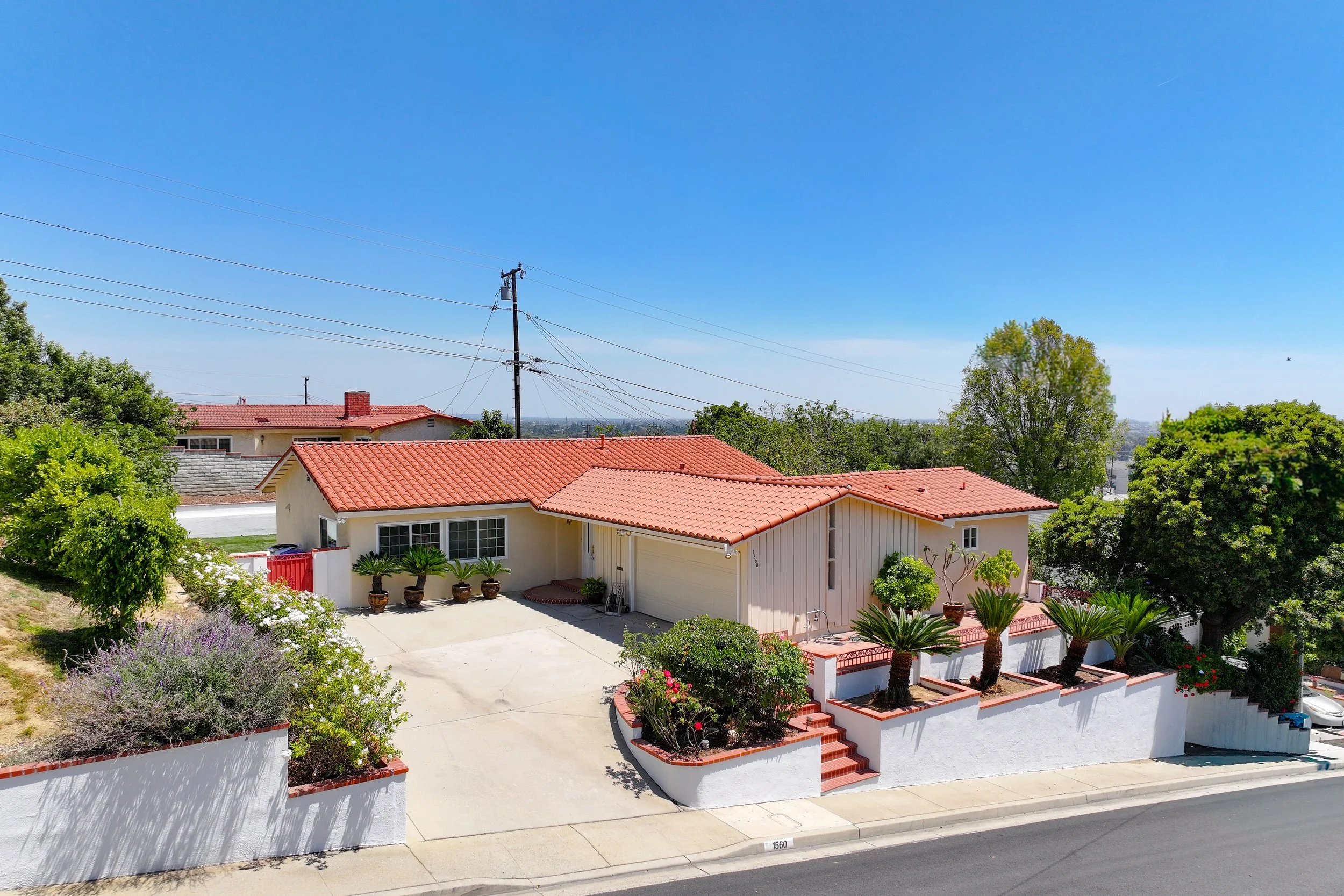
Listed by May Kunka, Realtor of Compass in Monterey Park
If a buyer cancels escrow on your Monterey Park home, what happens next depends on the purchase agreement, the buyer's remaining contingencies, and the reason for cancellation. A buyer who properly cancels under an applicable contingency may be entitled to their deposit back. If a buyer defaults without a contractual or legal right to cancel, the seller may have remedies, but keeping the earnest money deposit is not automatic. The first step is to review the contract and determine how to resolve the cancellation before moving forward with another buyer.
You've listed your Monterey Park home.
The photography looks great. You've had a busy weekend of open houses, received several offers, and finally accepted one.
The buyer seems excited.
Escrow is open.
You're already thinking about your next move.
Then your phone rings.
"The buyer wants to cancel."
Not exactly the call you were hoping for.
Naturally, the first questions are usually:
"Can they do that? And what happens to their deposit?"
The answer isn't always as straightforward as sellers expect.
A buyer backing out can be frustrating, especially when you've already taken your home off the market. But before we decide what happens next, we need to understand why they're canceling and what the purchase agreement allows.
Can a Buyer Cancel Escrow in California?
Yes, under certain circumstances.
When a buyer and seller enter into a purchase agreement, the contract typically includes deadlines and conditions that both parties must follow.
Some of those conditions are called contingencies.
They allow the buyer to investigate specific aspects of the purchase and, when the contract permits, cancel without losing their deposit.
Common examples include inspection, appraisal, and loan contingencies.
But here's an important distinction.
A buyer who has a contractual right to cancel is in a very different position from a buyer who simply changes their mind after giving up that right.
That's why the first thing I want to review is the agreement itself.
What Is a Buyer Contingency?
Think of a contingency as a contractual condition that must be satisfied or removed for the transaction to move forward as agreed.
For example, a buyer may have an inspection contingency.
They hire a home inspector, review the property's condition, and decide whether they're comfortable proceeding.
Maybe the inspector discovers foundation damage.
Maybe there's an expensive plumbing issue.
Or maybe the house needs significantly more work than the buyer anticipated.
If the inspection contingency is still in effect and the buyer follows the contract's cancellation requirements, they may be entitled to cancel and recover their deposit.
The same general concept can apply to other contingencies, although the specific terms matter.
What If the Buyer Cancels After the Home Inspection?
This is one of the more common situations.
Let's say you're selling your Monterey Park home for $1,100,000.
The buyer completes their inspection and discovers that the sewer line needs replacement.
The contractor estimates the repair at $18,000.
The buyer asks you for a credit.
You decline.
What happens?
If the buyer still has a valid inspection contingency, they may be able to cancel under the terms of the agreement.
But if they've already removed that contingency, the situation may be very different.
And just because a buyer requests a credit doesn't mean you're required to provide one.
A repair request is a negotiation.
The buyer's right to cancel is a contractual question.
Those aren't necessarily the same thing.
What If the Buyer Cancels Because the Appraisal Came in Low?
Imagine we've accepted an offer of $1,200,000.
The lender's appraisal comes back at $1,150,000.
Now there's a $50,000 difference.
The buyer may need to bring in additional funds, renegotiate the price, or explore other financing options.
If the buyer has an applicable appraisal contingency, they may have the right to cancel according to the contract.
If they've waived or removed that contingency, a low appraisal doesn't automatically give them a free exit.
We still need to examine the financing terms and any other applicable contractual rights.
This is why I look carefully at appraisal risk when we're reviewing offers, especially offers significantly above the asking price.
What If the Buyer's Loan Falls Through?
Financing problems can happen even after a buyer receives a preapproval letter.
Maybe their employment changes.
Maybe underwriting discovers an issue.
Maybe their financial situation changes.
Or maybe the property doesn't satisfy the lender's requirements.
If the buyer has a valid loan contingency and follows the required procedures, cancellation may be permitted.
But if the loan contingency has already been removed, the buyer may still be obligated to complete the purchase.
A preapproval is helpful, but it isn't a guarantee that the loan will fund.
That's one reason I want strong communication with the lender throughout escrow.
Does the Buyer Automatically Lose Their Earnest Money Deposit?
No.
This is probably the biggest misconception I hear from sellers.
The earnest money deposit does not automatically become the seller's money just because the buyer cancels.
The outcome depends on whether the buyer had a valid reason to cancel, whether the contract was breached, and what the agreement and applicable law provide.
If the buyer properly exercises a contingency, they may be entitled to receive the deposit back.
If the buyer defaults, the seller may have a claim to damages.
But even then, we need to follow the appropriate process.
And if the parties disagree, the deposit can become the subject of a dispute.
What Is the 3% Earnest Money Rule in California?
You may have heard that a seller can keep 3% of the purchase price when a buyer backs out.
That's an oversimplification.
California Civil Code Section 1675 addresses liquidated damages provisions in certain residential real estate transactions.
For qualifying residential purchases involving no more than four units where the buyer intends to occupy a unit, a properly executed liquidated damages provision involving an amount actually paid that does not exceed 3% of the purchase price is generally presumed valid unless the buyer establishes that it is unreasonable.
Amounts above 3% are subject to a different burden of proof.
There are also specific requirements for a liquidated damages provision to be enforceable.
And none of this means the seller automatically receives 3% whenever escrow falls apart.
For example, on a $1,000,000 purchase, 3% equals $30,000.
That doesn't mean every canceled transaction entitles the seller to $30,000.
We still need to establish the contractual and legal basis for retaining damages.
What Is a Liquidated Damages Clause?
A liquidated damages clause is a contractual provision that establishes an agreed method of determining damages if a party defaults under specified circumstances.
In a residential purchase agreement, this may affect the seller's remedies when a buyer fails to complete the purchase.
But the clause must satisfy applicable legal requirements.
And whether it's enforceable in a particular situation can depend on the facts.
If a buyer cancels after removing contingencies and the seller believes the buyer has defaulted, that's when I want the contract reviewed carefully.
For a disputed deposit or potential legal claim, I recommend consulting a qualified California real estate attorney.
What Happens to the Deposit If the Buyer and Seller Disagree?
The money doesn't simply get handed to whichever party asks for it first.
Escrow is a neutral third party that follows its instructions and applicable law.
If the buyer believes they're entitled to the deposit and the seller disagrees, escrow generally cannot just decide the dispute on its own.
The parties may need to negotiate a resolution or use the dispute-resolution procedures provided by their agreement and applicable law.
That could involve mediation, arbitration, or court proceedings, depending on the circumstances.
This is why I don't recommend turning a deposit dispute into an emotional standoff.
Sometimes the time, cost, and uncertainty of fighting over the money can be substantial.
We need to understand the options and make an informed decision.
Can the Seller Cancel Escrow Instead?
Sometimes, but sellers also have contractual obligations.
Let's say the buyer misses a deadline.
Maybe they haven't delivered required documents.
Maybe they haven't removed a contingency by the agreed date.
Or maybe they haven't completed another required action.
That doesn't necessarily mean the seller can immediately cancel.
Depending on the agreement, the seller may need to deliver a formal Notice to Buyer to Perform and allow the required time for the buyer to comply.
The exact process and deadlines matter.
I don't want a seller canceling a contract improperly and creating a second problem.
What Is a Notice to Buyer to Perform?
A Notice to Buyer to Perform is a formal notice used in certain California real estate transactions when a buyer hasn't completed a required contractual action.
It identifies the obligation that needs to be completed and provides the time required under the agreement.
If the buyer doesn't comply, the seller may have a right to cancel, depending on the circumstances and contract.
But it's not a tool for forcing a buyer to agree to something that wasn't already required.
And issuing a notice doesn't automatically entitle the seller to the buyer's deposit.
The notice, cancellation rights, and deposit rights are related but separate questions.
Can I Put My Monterey Park Home Back on the Market?
Often, yes, once the previous transaction has been properly resolved.
But I want to be careful about timing.
If the buyer and seller are still disputing whether the contract was validly canceled, we need to determine what obligations remain before entering into another binding agreement.
We don't want you accidentally promising the same property to two different buyers.
Once the contractual situation is clear, we can move forward with the marketing plan.
And sometimes that means returning to buyers who were interested before we accepted the original offer.
Should I Contact the Backup Buyers?
Absolutely, if they're still interested and it's appropriate to do so.
This is one reason I like keeping communication open with other agents when we receive multiple offers.
Maybe we had three strong buyers.
We accepted the first offer, but another buyer was disappointed to miss out.
If the original escrow falls apart, that buyer may still be interested.
Of course, their situation could have changed.
They may have purchased another home.
Their financing may be different.
Or they may want to reconsider the price.
But it's worth having the conversation.
A canceled escrow doesn't always mean starting from zero.
What If I Accepted a Backup Offer?
A properly written backup offer can be helpful.
It may establish an agreement with another buyer that becomes operative under specified conditions if the primary transaction ends.
But backup agreements have their own terms, deadlines, and requirements.
We need to understand exactly when the backup buyer's obligations begin.
And we still need to handle the cancellation of the primary transaction correctly.
A backup offer can provide an additional option, but it doesn't eliminate the need to follow the contracts.
Will Buyers Think Something Is Wrong With My House?
This is one of the biggest concerns sellers have.
Your home goes into escrow.
Then suddenly it's back on the market.
Naturally, some buyers will wonder:
"What happened?"
They may assume the inspection uncovered something serious.
Or that the property didn't appraise.
Or that the seller was difficult.
But sometimes a transaction falls apart because of the buyer's finances or personal circumstances.
That's why I want to communicate the situation accurately and professionally.
If the cancellation was unrelated to the property's condition, we can explain that without disclosing private information or making unsupported claims.
And if inspections revealed a material issue, we need to evaluate the applicable disclosure obligations.
Do I Have to Disclose Problems Found During the Canceled Escrow?
Potentially, yes.
This is especially important.
Let's say the first buyer obtains a foundation inspection.
The report identifies a significant structural concern.
The buyer cancels.
Now we put the property back on the market.
We can't simply pretend that the issue was never discovered.
California sellers have disclosure obligations concerning known material facts affecting the property.
The details of what must be disclosed depend on the circumstances and applicable law, but material findings need to be taken seriously.
I would rather address a known problem upfront than have it become an issue during the next escrow.
What If the Buyer Cancels Because They Just Changed Their Mind?
Now we need to examine their contractual rights.
Maybe the buyer decided the commute is too long.
Maybe they found another house.
Maybe a family member talked them out of the purchase.
Those reasons don't necessarily create a contractual right to cancel.
But the buyer may still have an applicable contingency or other legal basis for cancellation.
And if they don't, they could be in default.
That's when the contract's remedies become especially important.
I wouldn't promise the seller they'll automatically receive the deposit.
But I also wouldn't assume the buyer can walk away without consequences.
What If the Buyer Cancels the Day Before Closing?
That can be especially frustrating.
By that point, you may have:
Packed your belongings.
Scheduled movers.
Made arrangements for your next home.
Completed repairs.
Transferred utilities.
And prepared to hand over the keys.
A last-minute cancellation can create real expenses and complications.
But the legal outcome still depends on the contract and why the buyer failed to close.
We need to review the remaining obligations, whether any default occurred, and the available remedies.
If significant damages or a deposit dispute are involved, legal advice may be necessary.
Can I Sue the Buyer for Backing Out?
Potentially, depending on the contract and circumstances.
But that doesn't mean litigation is the best option.
We would need to consider the purchase agreement, any enforceable liquidated damages provision, the nature of the alleged breach, and applicable dispute-resolution requirements.
There may be costs, delays, and uncertainty.
And pursuing a legal claim doesn't necessarily get your house sold any faster.
That's why I recommend discussing the available remedies with an attorney before deciding how to proceed.
My role is to help you navigate the real estate transaction and protect your position within the scope of my responsibilities.
Should I Lower the Price When the Home Goes Back on the Market?
Not automatically.
First, I want to understand why the escrow failed.
If the buyer couldn't obtain financing, that doesn't necessarily mean our listing price was wrong.
If the buyer canceled because of a property condition issue, we may need to evaluate how that issue affects value.
If the property has been on the market for a while and buyer interest has slowed, a price adjustment might make sense.
But I don't want to lower the price simply because the first transaction didn't close.
Let's look at the current market, comparable sales, showing activity, and buyer feedback.
Then we'll decide.
How Can Sellers Reduce the Risk of a Canceled Escrow?
We can't eliminate every possibility.
But we can make more informed decisions before accepting an offer.
I want to evaluate:
The buyer's financing and preapproval.
Verification of funds.
Down payment and available reserves.
Loan and appraisal contingencies.
Inspection timelines.
Earnest money deposit terms.
Requested seller credits.
Closing timeline.
The buyer's ability to perform.
And throughout escrow, I want consistent communication with the buyer's agent, lender, and escrow company.
The earlier we identify a potential problem, the more time we may have to address it.
Is the Highest Offer Always the Best Offer?
Not necessarily.
Imagine we receive two offers.
One buyer offers $1,200,000 but has a small down payment, significant financing uncertainty, and several contingencies.
Another offers $1,175,000 with strong financing, verified funds, and terms that better fit your timeline.
The first offer is $25,000 higher.
But which one is more likely to close?
That's what we need to investigate.
I don't want to accept a higher price on paper only to spend weeks in escrow and end up starting over.
Of course, a strong buyer can still cancel.
There's no guarantee.
But evaluating the complete offer helps us make a better decision.
Frequently Asked Questions
Can a buyer back out of escrow in California?
Yes, if they have a contractual or legal right to cancel. Whether they can recover their deposit depends on the agreement, remaining contingencies, and circumstances.
Does the seller automatically keep the earnest money if the buyer cancels?
No. Deposit rights depend on the contract, the reason for cancellation, and applicable law. A dispute may need to be resolved before escrow can release the funds.
What happens if a buyer cancels after removing contingencies?
The buyer may be in default if they have no other valid basis for cancellation. The seller's remedies depend on the purchase agreement and California law.
Can I relist my Monterey Park home if escrow falls through?
Generally, yes, after confirming that the prior transaction has been properly terminated or otherwise resolved. The timing matters if the cancellation is disputed.
Do I have to disclose why the previous escrow fell through?
California sellers must disclose known material facts affecting the property. If a prior inspection revealed a significant issue, that may need to be disclosed to future buyers.
What is the 3% deposit rule in California?
California Civil Code Section 1675 provides rules for the validity of certain liquidated damages provisions in qualifying residential purchases. It does not mean sellers automatically receive 3% whenever a buyer cancels.
Should I accept a backup offer?
A backup offer can be useful when there's strong interest in the property, but its terms need to be carefully drafted and coordinated with the primary transaction.
So What's the Next Step?
If your Monterey Park home is in escrow and the buyer suddenly wants to cancel, I know it's disappointing.
Especially if you've already made plans based on the sale.
But before we react, let's figure out exactly where we stand.
First, we'll review the purchase agreement.
Which contingencies are still in place?
Which have been removed?
Why does the buyer want to cancel?
Have all required notices been delivered?
What does the contract say about the deposit and cancellation procedures?
Then we'll determine the appropriate next steps.
Maybe the buyer has a valid right to cancel.
Maybe there's room to negotiate and keep the transaction together.
Maybe we need to involve a real estate attorney.
Or maybe it's time to move on and find another buyer.
If the property goes back on the market, I want us doing it thoughtfully.
We'll review any new inspection information, revisit our pricing strategy, and reconnect with interested buyers.
And if there were multiple offers the first time around, we'll see whether any of those buyers are still available.
Because while a canceled escrow is frustrating, it doesn't mean your home won't sell.
I've helped sellers navigate difficult negotiations and unexpected complications, and one thing I've learned is that staying organized and understanding your options makes a tremendous difference.
The goal isn't just to get your Monterey Park home into escrow.
It's to get it successfully through escrow and closed.
If you're preparing to sell your home in Monterey Park or anywhere in the San Gabriel Valley, I'd be happy to help you evaluate offers, understand the risks, and put together a strategy focused on a successful closing.