Should I Buy a Home in Pasadena With an ADU?
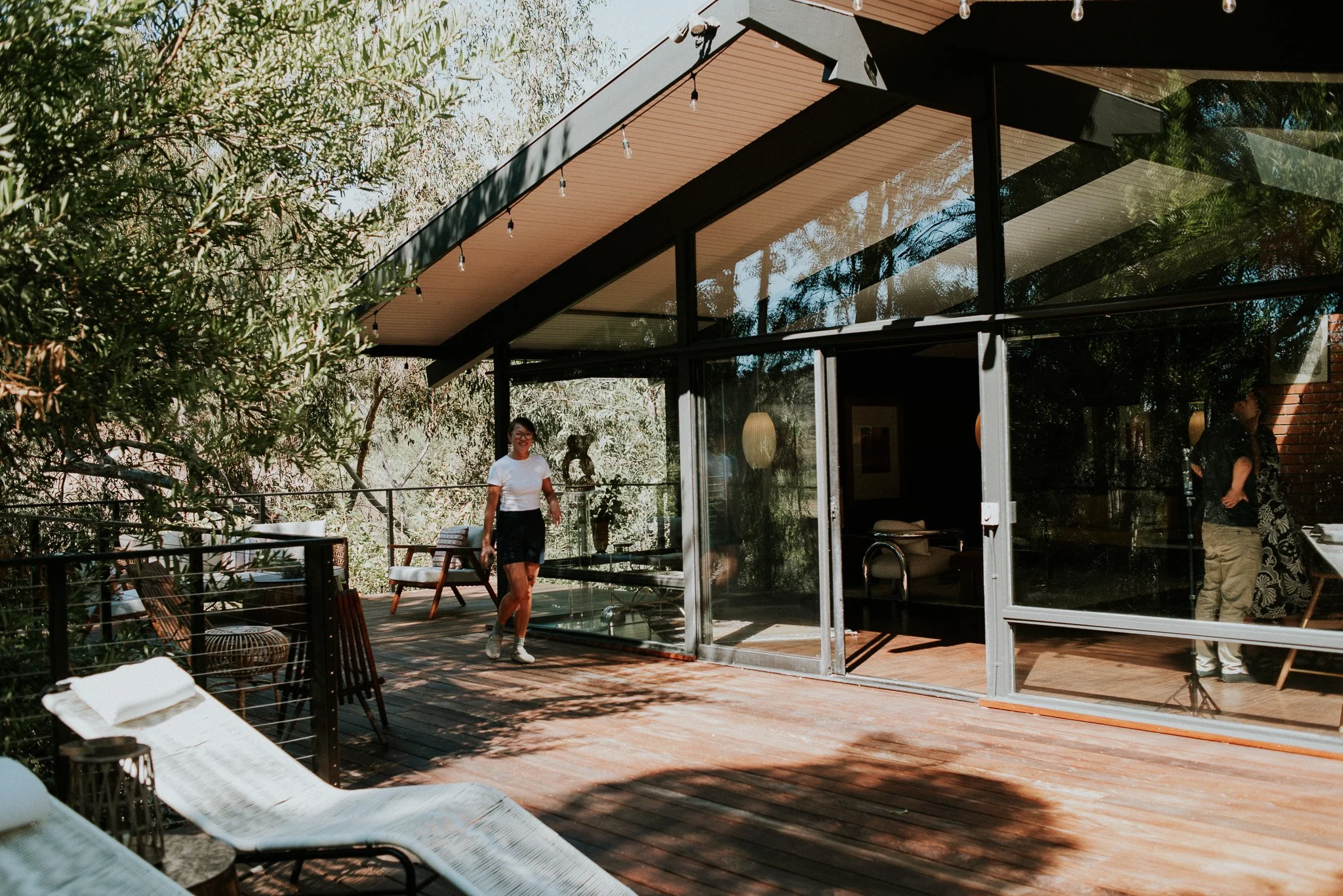
Listed by Teresa Fuller of Compass
Buying a home with an accessory dwelling unit (ADU) in Pasadena can be a great option if you want rental income, space for family, or a separate home office. But before purchasing, you should verify that the ADU was legally permitted, confirm its approved use, evaluate its condition, and understand any rental, insurance, or financing requirements. Not every converted garage or backyard guesthouse is a legal dwelling, and the difference can affect the property's value and how you're allowed to use it.
You're touring a charming Pasadena home.
Maybe it's a Craftsman bungalow with a big backyard.
Or a Spanish-style house with a detached garage.
Everything looks great, and then we walk outside.
There's a little guesthouse tucked behind the main home.
It has a bathroom, a kitchenette, and its own entrance.
You immediately start thinking about the possibilities.
"We could rent this out and use the income to help pay the mortgage!"
Or maybe:
"My parents could live back here!"
And I understand the excitement.
Having a separate living space can make a property much more versatile.
But before we start calculating rental income or deciding where your parents' furniture will go, I have a question.
Is it actually a permitted ADU?
Because that can change the entire conversation.
What Is an ADU?
An accessory dwelling unit, commonly called an ADU, is a secondary residential dwelling unit located on a property with an existing or proposed primary residence.
An ADU generally includes permanent provisions for living, sleeping, eating, cooking, and sanitation.
You may hear people call them:
Guesthouses.
Granny flats.
Backyard cottages.
Garage apartments.
Or in-law units.
But those terms aren't necessarily interchangeable from a legal standpoint.
A detached guesthouse that looks like a little apartment may not have been approved for independent residential occupancy.
And a converted garage may not qualify as a legal ADU simply because someone installed a kitchen.
That's why we need to look at the actual permits.
Why Are ADUs So Popular in Pasadena?
There are several reasons.
First, Pasadena has many older properties with detached garages, deep lots, and interesting layouts.
Some of these properties may have space for a secondary dwelling.
Second, housing costs throughout the San Gabriel Valley have made flexible living arrangements increasingly attractive.
Maybe an adult child wants to live independently but stay close to family.
Maybe aging parents need a smaller, more manageable space.
Or maybe a homeowner wants rental income to offset some of the costs of ownership.
An ADU can potentially accommodate those needs.
But the property's layout, zoning, construction, and local requirements still matter.
Can I Rent Out an ADU in Pasadena?
Potentially, yes.
A legally permitted ADU may be rented for residential use, subject to applicable state and local requirements.
But don't assume every ADU can be used for short-term vacation rentals.
California's ADU framework generally requires ADUs to be rented for periods longer than 30 days, with specific exceptions or rules depending on the type and approval.
Local regulations may also affect rental use.
So if you're planning to buy a property specifically because you want to operate a short-term rental, we need to investigate that before you make an offer.
A legal ADU doesn't automatically mean you can list it on Airbnb.
How Much Rental Income Can an ADU Generate?
That depends on the unit.
A beautifully finished one-bedroom ADU with a private entrance and outdoor space may attract a different renter than a small studio behind a garage.
Rental value can depend on:
Square footage.
Number of bedrooms.
Condition.
Parking.
Privacy.
Utilities.
Laundry.
Outdoor space.
Location.
And the overall rental market.
If you're considering a Pasadena home with an ADU, I'd recommend looking at comparable rental properties rather than relying on the seller's estimate.
A listing might say:
"ADU could rent for $2,500 per month!"
Maybe it could.
But I want to know what comparable units are actually renting for.
And whether the unit can legally be rented in the way you're planning.
Can I Use ADU Rental Income to Qualify for a Mortgage?
Sometimes.
Certain mortgage programs allow qualifying rental income from an ADU to be considered under specific conditions.
But that doesn't mean every lender will automatically count the full projected rent toward your income.
Requirements can depend on the loan program, appraisal, rental documentation, occupancy plans, and other underwriting factors.
Fannie Mae, for example, has specific guidelines addressing ADUs and rental income in eligible transactions.
So if rental income is essential to your ability to afford the property, I want your lender evaluating that early.
Not after we're already in escrow.
What If the ADU Isn't Permitted?
This is where things can get complicated.
Imagine we're looking at a Pasadena home with a beautifully remodeled detached garage.
It has:
A bedroom.
A bathroom.
A kitchenette.
New flooring.
Recessed lighting.
And a separate entrance.
It looks fantastic.
But when we investigate the permits, we discover that the garage was never legally converted into a dwelling.
Now we need to understand what that means.
The space may not be approved for residential occupancy.
There could be building code issues.
There may be additional work required to legalize it.
And the property's appraised value or financing could be affected.
The fact that a previous owner rented the space doesn't necessarily establish that it was legal to do so.
Can an Unpermitted ADU Be Legalized?
Sometimes.
California has established pathways intended to make it easier to bring certain existing unpermitted ADUs into compliance.
But legalization isn't automatic.
The unit may still need to satisfy applicable health and safety standards and other requirements.
Depending on the property, that could involve:
Electrical work.
Plumbing.
Fire safety improvements.
Structural repairs.
Ceiling heights.
Ventilation.
Access.
Or other corrections.
If you're considering buying a property with an unpermitted unit, I'd want to consult the appropriate building department and qualified professionals before assuming it can be legalized.
And I'd want a realistic estimate of the cost.
How Do I Check Whether an ADU Is Permitted?
Start with the property's building records.
For a property within Pasadena city limits, we can investigate available permit information through the City of Pasadena.
I want to know:
Was an ADU permit issued?
Was the work completed?
Were required inspections finalized?
What use was approved?
Does the approved layout match what we're seeing today?
Were any later modifications made?
And are there outstanding code issues?
Sometimes a seller has all the paperwork organized.
Other times, we need to do a little detective work.
Also, not every property with a Pasadena mailing address is actually within Pasadena city limits, so we'll confirm the jurisdiction before requesting records.
Is a Guesthouse the Same as an ADU?
Not necessarily.
This is an important distinction.
Some older Pasadena homes have detached structures that were originally built as guest quarters, studios, pool houses, or accessory buildings.
They may have bathrooms.
They may even have small kitchen areas.
But that doesn't necessarily mean they were approved as independent dwelling units.
An ADU has a specific legal classification.
If your goal is to rent the space or have someone live there independently, we need to confirm that the approved use allows it.
Don't rely on the name used in the listing description.
What About a Converted Garage?
Garage conversions are particularly common throughout Southern California.
And some make excellent ADUs.
But there are important questions to ask.
Was the garage legally converted?
Was the slab or foundation evaluated?
Is the space properly insulated?
Are there adequate heating and cooling systems?
Was the electrical system updated?
Are the plumbing connections permitted?
Does the unit meet applicable safety requirements?
And what happened to the original parking?
California's ADU laws provide certain parking exemptions, including circumstances involving garage conversions, but the specific property and approval history still matter.
I want to understand the complete picture.
Does an ADU Add Value to a Pasadena Home?
It can.
A legal, well-designed ADU may make a property more appealing to buyers who want rental income or flexible living arrangements.
But I wouldn't assume the ADU adds a specific dollar amount to the home's value.
It depends on:
The size and quality of the unit.
Whether it's permitted.
The property's location.
Privacy between the two living spaces.
Parking.
Rental potential.
And comparable sales.
For example, a legal detached ADU with its own entrance and outdoor area may appeal to a broader buyer pool than an awkwardly converted space with limited privacy.
And an unpermitted structure may not contribute the same value as a legally recognized dwelling.
That's why the appraisal and comparable sales matter.
Should I Pay More for a House With an ADU?
Maybe.
But I want to make sure the additional price is justified.
Let's say we're comparing two similar Pasadena homes.
One has no ADU.
The other has a permitted one-bedroom ADU.
The property with the ADU costs $200,000 more.
Is it worth it?
We need to evaluate:
The condition of both properties.
The value of the additional living space.
Potential rental income.
Maintenance expenses.
Insurance.
Property taxes.
Financing.
And your intended use.
If you're purchasing the property primarily because you want your parents nearby, the personal value of the ADU may be substantial.
If you're buying strictly for investment purposes, the numbers need to make sense.
What Are the Downsides of Owning an ADU?
ADUs can be wonderful, but they come with responsibilities.
If you're renting the unit, you're becoming a landlord.
That means dealing with:
Tenant screening.
Lease agreements.
Repairs.
Maintenance.
Rent collection.
Insurance.
Vacancies.
And applicable landlord-tenant laws.
You may also need to maintain separate utility systems or determine how shared utilities will be handled.
And even if the ADU is used by family, it still requires maintenance.
Another roof.
Another bathroom.
Another kitchen.
Another heating and cooling system.
Those expenses add up.
What About Privacy?
This is one of the first things I look at when touring a property with an ADU.
How close is the ADU to the main house?
Do the entrances face each other?
Are the windows looking directly into the backyard?
Does the tenant have to walk past your living room to reach their unit?
Is there a separate outdoor area?
What about parking?
An ADU can provide excellent flexibility, but the layout matters.
A property with thoughtful separation between the main home and the ADU may be more comfortable for both households.
Is an ADU Good for Multigenerational Living?
It can be an excellent option.
Maybe your parents want to live nearby but maintain their independence.
Maybe an adult child is saving to purchase their first home.
Maybe you have relatives who visit for extended periods.
An ADU can offer separation while keeping everyone close.
But I also want to think about accessibility.
If the unit is intended for aging parents, are there stairs?
Is the bathroom easy to navigate?
Are the doorways wide enough?
Is there adequate lighting?
Can someone get from the parking area to the entrance comfortably?
A beautiful ADU isn't necessarily the right one for every family.
Can I Live in the ADU and Rent Out the Main House?
Potentially, depending on the property and applicable laws.
Some buyers are interested in this arrangement because the main house may generate more rental income than the ADU.
But we need to verify the property's legal configuration, rental requirements, insurance, and financing obligations.
For example, if you're using an owner-occupied mortgage, your lender may have specific occupancy requirements.
Don't assume you can change your living arrangement without considering those terms.
What If the ADU Already Has a Tenant?
Then we're purchasing a property with an existing tenancy.
That means we need to review:
The lease.
Current rent.
Security deposit.
Payment history.
Utilities.
Maintenance obligations.
And applicable tenant protections.
A sale generally doesn't eliminate an existing lease.
So if you're hoping to use the ADU for your parents immediately after closing, but the unit is occupied under a valid tenancy, we need to understand the legal and practical implications before making an offer.
This is particularly important in California, where state and potentially local tenant-protection requirements can affect possession.
What If the Seller Says the ADU Was Built Before Permits Were Required?
I wouldn't simply accept that explanation.
Older accessory structures can have complicated histories.
Maybe the building itself was legally constructed decades ago.
But that doesn't necessarily mean its current use as a dwelling was approved.
A garage built in 1940 and converted into an apartment in 1995 may have a very different permit history from a purpose-built ADU completed recently.
We need to investigate the actual records.
Can I Build Another ADU Later?
Possibly.
California has expanded ADU opportunities over the years, including provisions for certain properties with existing units.
But eligibility depends on the property's configuration and applicable rules.
If your long-term plan is to purchase a home with one ADU and eventually add another, let's verify what's allowed before you buy.
Don't base a purchase decision on the assumption that additional construction will automatically be approved.
What About Property Taxes?
An ADU can affect property taxes.
If an ADU was newly constructed, the value of that new construction may have been assessed separately under California property tax rules.
When you purchase the property, the sale can also trigger reassessment of the property under applicable law.
I recommend reviewing the property's current assessment information and estimating your taxes based on the anticipated purchase price rather than assuming you'll pay what the seller currently pays.
This is especially important with longtime-owned Pasadena properties that may have relatively low assessed values.
Will Insurance Be More Expensive?
It may be.
An ADU adds another structure or living area that needs appropriate coverage.
If you're renting the unit, you may also need additional landlord-related coverage.
Insurance requirements vary by insurer and property.
And in California, availability and pricing can be important considerations.
So before removing applicable contingencies, I recommend discussing the property with an insurance professional and obtaining quotes that accurately reflect the ADU and its intended use.
What Inspections Should I Get?
I want the main house and the ADU evaluated.
That may include:
A general home inspection covering both structures.
Roof evaluation.
Foundation or structural evaluation when warranted.
Electrical and plumbing inspections.
Sewer inspection.
Termite inspection.
And review of heating, cooling, and ventilation systems.
If the ADU was recently constructed, I also want to review permits and completion records.
If it's older or converted from another structure, I may recommend additional investigation.
The goal is to understand the condition of everything you're purchasing.
Not just the main house.
Can an ADU Make a Home Harder to Sell Later?
It depends.
A legal, well-designed ADU may broaden the buyer pool.
But an unpermitted unit, awkward layout, unresolved code issue, or existing tenancy could complicate a future sale.
That's why I want buyers thinking ahead.
If you purchase a property with an ADU today, you'll eventually be the seller answering questions about it.
Keep your permits.
Maintain the property.
Document major repairs.
And understand the rules governing its use.
Those steps can make a future sale much smoother.
Frequently Asked Questions
Is buying a house with an ADU in Pasadena a good investment?
It can be, especially if the ADU is legally permitted, well-maintained, and suited to your goals. However, evaluate the purchase price, rental income, operating expenses, financing, and potential resale value before deciding.
Can I rent out a Pasadena ADU?
Generally, a legally permitted ADU may be rented for residential use, subject to applicable state and local rules. Short-term rental restrictions and other requirements may apply.
How do I know if an ADU is legal?
Review the property's building permits, approved plans, inspection records, and permitted use with the appropriate local building department.
Can I get a mortgage on a house with an ADU?
Yes, many properties with ADUs can qualify for mortgage financing. However, the lender may have specific requirements concerning the ADU's legality, appraisal, condition, and rental income.
Does an ADU increase property value?
A legal, functional ADU can add value, but the amount varies based on its size, condition, location, design, and market demand.
Can I legalize an unpermitted ADU in Pasadena?
Possibly. California provides certain pathways for legalizing existing unpermitted ADUs, but the unit may need to meet applicable safety and building requirements. Verify feasibility before purchasing.
Can my parents live in the ADU?
Potentially, yes, if the unit is legally approved for residential occupancy and available for their use. Accessibility and the property's layout are also important considerations.
So What's the Next Step?
If you're looking at a Pasadena home with an ADU, I understand why it's exciting.
Maybe you're imagining rental income helping with your mortgage.
Maybe you're thinking about having family close by.
Or maybe you just love the flexibility of having a separate space.
But before we start making plans, let's verify what we're actually buying.
First, we'll review the property's permit history.
Then we'll confirm the ADU's approved use and evaluate its condition.
If rental income is part of your plan, we'll look at comparable rents and talk with your lender about how that income may affect financing.
We'll also investigate insurance, property taxes, maintenance costs, and any existing tenancy.
And if the ADU is unpermitted, we'll determine whether legalization is realistic and what it might cost.
Because there's a big difference between buying a property with a legal second dwelling and buying a house with a converted garage that simply looks like one.
After nearly 20 years helping buyers throughout Pasadena and the San Gabriel Valley, I've learned that the most interesting properties often come with the most questions.
And that's okay.
We just need to get the answers before you commit.
If you're considering buying a Pasadena home with an ADU, guesthouse, or converted garage, I'd be happy to help you evaluate the property, coordinate the appropriate inspections, and understand whether it makes sense for your goals.