Should I Buy a Pasadena Home With Knob-and-Tube Wiring?
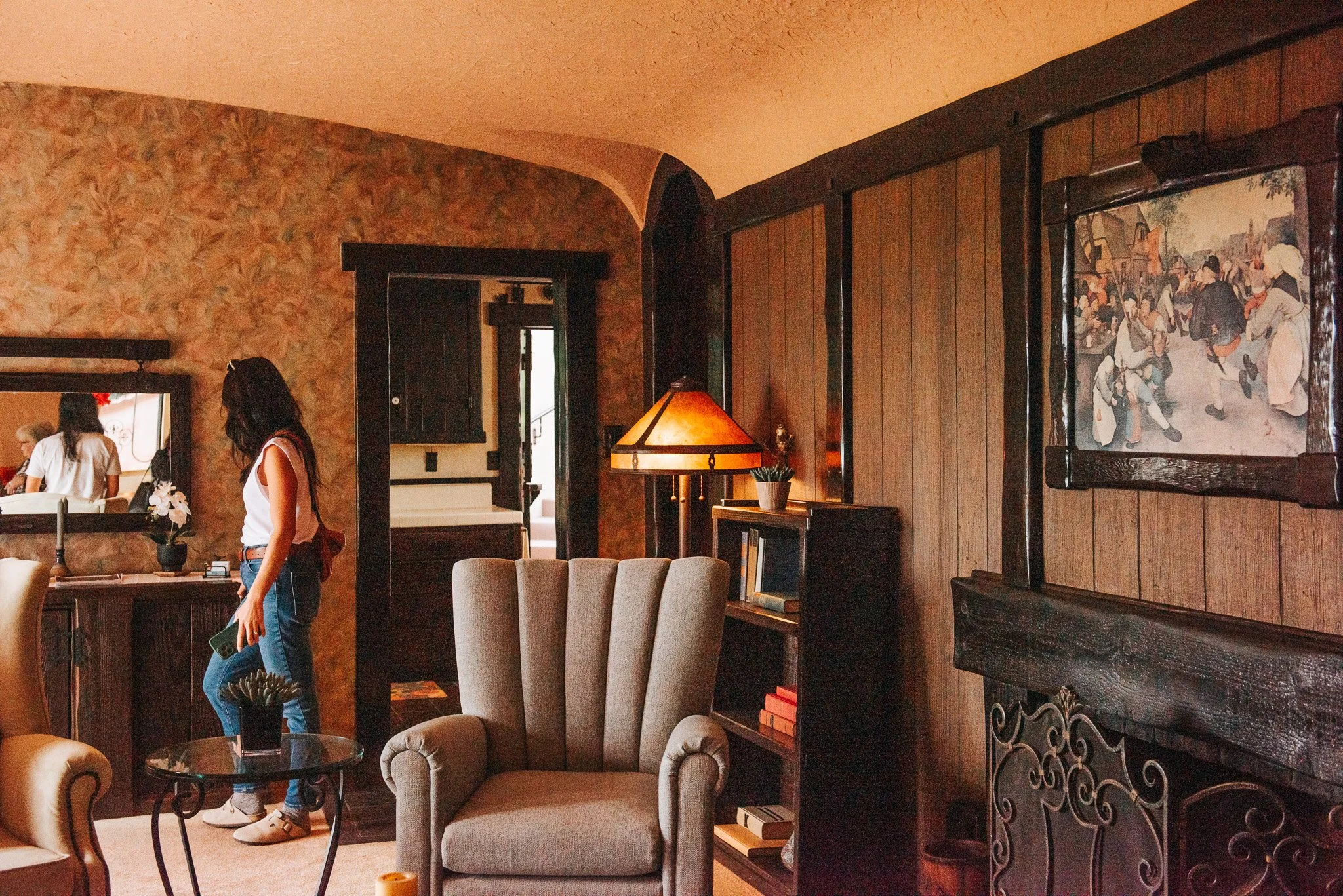
Buying a Pasadena home with knob-and-tube wiring isn't necessarily a bad decision, but it's something you should investigate carefully before purchasing. Knob-and-tube wiring is an older electrical system commonly found in homes built from the late 1800s through the early 20th century. While the presence of this wiring doesn't automatically mean the home is unsafe, deterioration, improper modifications, insulation contact, and limited electrical capacity can create concerns. Buyers should have the electrical system evaluated by a qualified electrician, obtain estimates for necessary upgrades, and confirm homeowners insurance availability before moving forward.
One of the things I love about Pasadena is the incredible variety of older homes.
Beautiful Craftsman bungalows, classic American Foursquares, Spanish-style homes, and properties with architectural details you simply don't find in newer construction.
Original hardwood floors.
Built-in cabinetry.
Beautiful windows.
And occasionally, an electrical system that's been around for nearly as long as the house itself.
If you're shopping for an older home in Pasadena, there's a chance you'll encounter something called knob-and-tube wiring.
Maybe your home inspector mentions it during the inspection.
Or perhaps you notice unusual wiring in the attic or basement.
And suddenly, you're wondering whether you've discovered a major problem.
Should you be concerned?
Will you need to rewire the entire house?
And will an insurance company even cover the property?
These are important questions.
But I wouldn't automatically walk away from a beautiful home simply because knob-and-tube wiring is present.
I'd want to understand exactly what we're dealing with.
What Is Knob-and-Tube Wiring?
Knob-and-tube wiring is an older method of electrical wiring that was commonly installed in homes during the late 19th and early 20th centuries.
The system uses individual conductors supported by porcelain knobs and protected by porcelain tubes where wires pass through framing.
Unlike modern wiring systems, traditional knob-and-tube wiring generally doesn't include an equipment grounding conductor.
It was designed for a time when households used far fewer electrical appliances.
Think about how much electricity we use today.
Air conditioning.
Computers.
Large televisions.
Kitchen appliances.
Electric vehicle chargers.
And countless devices that need to be plugged in.
Homes built in the early 1900s weren't designed around those demands.
That's one reason older electrical systems deserve careful evaluation.
Is Knob-and-Tube Wiring Common in Pasadena?
You can encounter it in Pasadena's older housing stock, particularly homes built during the early 20th century.
But not every historic home still has it.
Some properties have been completely rewired.
Others have had electrical improvements completed over several decades.
And some contain a combination of modern wiring and original knob-and-tube circuits.
That last situation is especially important.
A seller might tell you the electrical system was updated years ago.
But that doesn't necessarily mean every original circuit was removed.
It's possible for a home to have a newer electrical panel while older wiring remains in certain areas.
That's why I prefer verifying the actual condition rather than relying on the age of the panel or a general statement that the electrical was updated.
Is Knob-and-Tube Wiring Dangerous?
It can present safety concerns, particularly when it's deteriorated, improperly modified, overloaded, or installed in conditions that interfere with its intended operation.
However, the presence of knob-and-tube wiring doesn't automatically establish that the entire electrical system is unsafe.
The condition matters.
Older wire insulation can become brittle.
Connections may have been modified over time.
And circuits originally designed for relatively modest electrical loads may now be serving modern appliances.
One particular concern is insulation surrounding the wiring.
Knob-and-tube systems were designed with air space around the conductors to help dissipate heat.
When insulation is installed over or around active wiring, it can create additional concerns.
California electrical regulations also restrict insulation in contact with active knob-and-tube wiring under applicable conditions.
I'd want a qualified electrician to evaluate the system before deciding whether continued use, repairs, or replacement is appropriate.
How Can I Tell If a Pasadena Home Has Knob-and-Tube Wiring?
Sometimes the wiring is visible in an attic, basement, or crawl space.
You may see individual wires running through porcelain supports attached to the framing.
The porcelain components are often white and relatively easy to recognize.
But visible components don't necessarily tell us whether the wiring is still active.
Some homeowners leave abandoned wiring in place after completing electrical upgrades.
And portions of active wiring may be concealed inside walls and ceilings.
A general home inspector may identify visible knob-and-tube wiring, but a licensed electrician can perform a more detailed evaluation.
I wouldn't recommend attempting to test or disturb the wiring yourself.
What If the Seller Says the Knob-and-Tube Wiring Is Disconnected?
That's encouraging, but I'd still want confirmation.
It's possible for old wiring to remain in place after being disconnected from the electrical system.
However, just because wiring appears old or unused doesn't mean it's inactive.
I'd want a qualified electrician to verify whether any knob-and-tube circuits remain energized.
If the home has been rewired, I'd also ask for available documentation.
When was the work completed?
Was it permitted?
Were final inspections completed where required?
And did the project include the entire house or only certain rooms?
Those details can make a big difference.
Can I Get Homeowners Insurance on a House With Knob-and-Tube Wiring?
This is one of the most important questions to investigate early.
Some insurance companies may decline to insure properties with active knob-and-tube wiring.
Others may have additional underwriting requirements or restrictions.
The rules vary by insurer, and insurance availability in California can already be challenging for certain properties.
I wouldn't assume that because the current homeowner has insurance, a new buyer will automatically qualify for the same coverage.
The seller may have held the policy for years.
The insurer's underwriting requirements may have changed.
Or a new application may be evaluated differently.
If you're considering a Pasadena home with knob-and-tube wiring, I'd recommend contacting your insurance professional during the inspection period.
You want to know whether coverage is available and whether electrical upgrades will be required.
Does Knob-and-Tube Wiring Have to Be Replaced in California?
Not every existing installation is automatically required to be replaced solely because it's old.
However, electrical work must comply with applicable requirements, and unsafe conditions may need correction.
Renovations, alterations, or other circumstances can also trigger code requirements.
And even if the city doesn't require immediate replacement, an insurance company may have its own underwriting standards.
That's an important distinction.
Something may be legally existing but still create insurance or safety concerns.
I'd recommend consulting a qualified electrician and the appropriate building department rather than assuming the wiring is acceptable simply because it's been there for decades.
How Much Does It Cost to Rewire an Older Pasadena Home?
The cost can vary significantly.
A small bungalow may be less expensive to rewire than a large two-story historic home.
But square footage is only one factor.
Accessibility matters.
So does the number of circuits, condition of the electrical panel, existing construction, and whether walls or ceilings need to be opened.
A home with an accessible attic and crawl space may be easier to work on than one with limited access.
And if the property has plaster walls, built-in cabinetry, or historic architectural details, the project may require additional care.
Whole-house rewiring can cost many thousands of dollars and may reach tens of thousands for more complicated properties.
I'd want an itemized estimate from a licensed electrician based on the actual house.
And I'd ask whether the quote includes permits, panel upgrades, patching, painting, and other restoration work.
Will Rewiring Damage the Original Plaster Walls?
It can involve opening portions of walls and ceilings.
But the extent of the disruption depends on the home's construction and the electrician's approach.
Some wiring can be routed through accessible attics, crawl spaces, or existing cavities.
Other areas may require openings to install new wiring safely.
If you're buying a beautiful Craftsman home with original plaster and woodwork, I'd want a contractor who understands older construction.
Preserving architectural details may be an important part of the project.
And I'd want to budget for appropriate plaster repair and painting after the electrical work is complete.
The electrical estimate alone may not reflect the full cost of restoring the house afterward.
Does a New Electrical Panel Mean the Home Has Been Rewired?
No.
This is a misconception I think buyers should be aware of.
A home can have a newer electrical panel while still containing older branch circuit wiring.
For example, a previous owner may have upgraded the panel to accommodate additional electrical capacity.
But the wiring serving certain bedrooms or living areas may still be original.
A new panel can be a positive improvement.
It just doesn't tell us everything about the electrical system.
I'd want the electrician to evaluate both the panel and the wiring throughout the home, to the extent accessible.
What If the Home Has Two-Prong Outlets?
Two-prong outlets are common in older homes.
They may indicate that certain circuits don't have an equipment grounding conductor.
But they don't automatically prove the home has knob-and-tube wiring.
Other older wiring methods may also lack grounding.
I'd want an electrician to identify the wiring type and evaluate the receptacles.
There are code-compliant approaches for addressing certain ungrounded receptacle situations, including properly installed and labeled GFCI protection under applicable requirements.
But simply replacing a two-prong receptacle with a three-prong outlet doesn't create an equipment ground.
I wouldn't recommend making electrical changes without qualified guidance.
Can I Install Air Conditioning in a Home With Knob-and-Tube Wiring?
Potentially, but the existing electrical system needs to be evaluated.
A new central air conditioning system, heat pump, or other major electrical appliance may require dedicated circuits and sufficient electrical capacity.
An older home may need additional electrical work to support those improvements.
That doesn't necessarily mean the entire house must be rewired solely to install air conditioning.
But the electrician and HVAC contractor should evaluate the system together.
If you're planning to buy a Pasadena home and immediately install new heating and cooling equipment, I'd want to investigate those requirements before closing.
What About Electric Vehicle Charging?
This is another consideration for modern buyers.
If you're planning to install a Level 2 EV charger, the home's electrical capacity and panel condition matter.
A charger typically requires an appropriately designed electrical circuit.
Older electrical systems may need upgrades to accommodate the additional load.
If the property has knob-and-tube wiring, that may be one part of a broader electrical evaluation.
I'd recommend obtaining an estimate for the improvements you actually plan to make.
That way, you're not surprised by additional costs after moving in.
Will Knob-and-Tube Wiring Affect My Mortgage?
It can, depending on the property's condition, the loan program, and lender requirements.
Mortgage lenders may have property condition standards that address electrical safety.
Some financing programs may require repairs when an electrical system presents an identified hazard.
But the mere presence of knob-and-tube wiring doesn't automatically mean every mortgage application will be denied.
I'd want the lender to review any relevant inspection findings and explain the requirements for the specific loan.
And if electrical repairs are required before closing, we'll need to understand the cost and timeline.
Should I Ask the Seller to Rewire the House?
That depends on the circumstances.
If an inspection identifies active knob-and-tube wiring, I'd first want to understand its condition and the scope of any recommended work.
Then we can obtain estimates.
Maybe the electrician recommends replacing certain circuits.
Maybe the entire system needs updating.
Or perhaps additional investigation is necessary.
Once we understand the situation, we can discuss negotiations.
The seller may agree to complete repairs.
They may offer a price adjustment.
Or they may prefer to sell the property in its current condition.
The outcome depends on the purchase agreement, financing requirements, and the overall transaction.
Is It Better to Request a Price Reduction or Seller Credit?
Both can be worth discussing.
A price reduction may help account for the cost of future electrical work.
A seller credit may help with eligible closing costs, subject to lender limits.
However, a credit doesn't automatically solve a safety issue or satisfy an insurer's requirements.
And if the lender requires certain electrical work to be completed before closing, postponing repairs may not be an option.
I'd want to coordinate with the lender, insurance professional, and electrician before deciding on the best approach.
What If the Seller Won't Make Repairs?
Then you'll need to decide whether the property still makes sense for you.
I wouldn't automatically walk away.
But I'd want you to understand the cost and risk.
If you love the house, have a realistic rewiring estimate, and can comfortably afford the work, the purchase may still be worthwhile.
On the other hand, if the electrical system has serious problems and the repairs would stretch your budget too far, that may change the decision.
The important thing is understanding what you're taking on.
Is Knob-and-Tube Wiring More Common in Historic Pasadena Homes?
It can be found in older historic homes, but the property's historic designation doesn't tell us whether the wiring is original.
Some designated historic homes have undergone extensive electrical upgrades.
Others retain portions of older systems.
If you're purchasing a historically significant property, I'd want to understand whether proposed electrical work could affect protected architectural features.
Certain exterior alterations or other changes may be subject to historic preservation review.
Interior electrical work isn't automatically prohibited simply because a property is historic.
But the design and construction approach may require extra planning.
What If I'm Buying a Craftsman Bungalow That Needs Other Work?
This is where the overall renovation budget becomes important.
Maybe the home has original wiring.
An older roof.
A kitchen that needs updating.
And bathrooms that haven't been remodeled in decades.
Individually, each project may seem manageable.
But together, they can become expensive.
I'd recommend prioritizing safety and essential systems before cosmetic improvements.
A beautifully remodeled kitchen isn't going to make up for an unsafe electrical system.
And I wouldn't want you spending your entire renovation budget on finishes only to discover that major electrical work is still necessary.
Does Rewiring a House Increase Its Value?
It can improve marketability and reduce buyer concerns.
A properly updated electrical system may be attractive to buyers, especially in an older home.
But like other major improvements, rewiring doesn't necessarily increase the property's value dollar for dollar.
It's often better understood as an improvement to safety, functionality, and overall condition.
For a buyer planning to stay in the home for many years, those benefits may be particularly meaningful.
For resale, documentation of completed electrical upgrades can also help future buyers understand the work that was done.
When Would I Be Comfortable Buying a Home With Knob-and-Tube Wiring?
I'd feel better about the purchase when we have a clear understanding of the electrical system.
Has a qualified electrician evaluated it?
Do we know which circuits still contain knob-and-tube wiring?
Are there unsafe modifications?
Is the wiring in contact with insulation?
What repairs or upgrades are recommended?
Can the property be insured?
And what will the necessary work cost?
If those questions have reasonable answers and the overall purchase makes financial sense, I wouldn't necessarily rule out the property.
When Would I Be More Cautious?
I'd be particularly cautious if there are signs of overheating, damaged insulation, improper splices, overloaded circuits, or other electrical hazards.
I'd also want to investigate situations where the seller believes the home was rewired but there's little documentation and substantial old wiring remains.
And insurance availability is a major consideration.
If you're unable to secure appropriate coverage or the cost of necessary electrical work is beyond your budget, those may be significant obstacles.
I wouldn't want you to discover those problems after removing your contingencies.
Frequently Asked Questions
Is it safe to buy a house with knob-and-tube wiring?
It depends on the condition and installation. Knob-and-tube wiring can present safety concerns, particularly when deteriorated or improperly modified. A qualified electrician should evaluate the system.
Do I have to replace knob-and-tube wiring in California?
Not every existing installation is automatically required to be replaced solely because of its age. However, unsafe conditions, applicable code requirements, and insurance restrictions may make upgrades necessary.
Can I get homeowners insurance with knob-and-tube wiring?
Possibly, but some insurers may decline coverage or require electrical upgrades. Verify availability early in the purchase process.
How much does it cost to rewire a historic Pasadena home?
Costs vary depending on the home's size, accessibility, construction, and electrical requirements. Complex whole-house rewiring projects can cost tens of thousands of dollars.
Does a new electrical panel mean knob-and-tube wiring is gone?
No. A newer panel doesn't guarantee that all older branch circuits have been replaced.
Can I negotiate electrical repairs when buying a Pasadena home?
Yes. Buyers can request repairs, a price adjustment, or other concessions, but the outcome depends on the contract and negotiations.
Should I walk away from a house with knob-and-tube wiring?
Not automatically. The decision should depend on the inspection findings, insurance availability, necessary upgrades, and your overall budget.
So What's the Next Step?
If you're considering buying an older Pasadena home and the inspection reveals knob-and-tube wiring, I wouldn't immediately panic.
But I also wouldn't ignore it.
I'd want to bring in a qualified electrician, understand the condition of the system, and determine what improvements may be necessary.
We'll also want to investigate homeowners insurance early.
And if rewiring is recommended, we can obtain estimates and evaluate how that affects the purchase.
I've been helping buyers throughout Pasadena and the San Gabriel Valley since 2007, and I especially enjoy working with people who appreciate older and architecturally interesting homes.
There's something special about a beautiful Craftsman bungalow or a historic home that's been thoughtfully preserved.
But those properties can come with older systems that deserve extra attention.
The goal isn't to avoid every home that needs work.
It's to understand the work before you buy.
If you're considering a Pasadena historic home or an older property with electrical concerns, I'd be happy to help you evaluate the situation, coordinate inspections, and make an informed decision about whether the home is right for you.