Should I Replace My HVAC System Before Selling My Monterey Park Home?
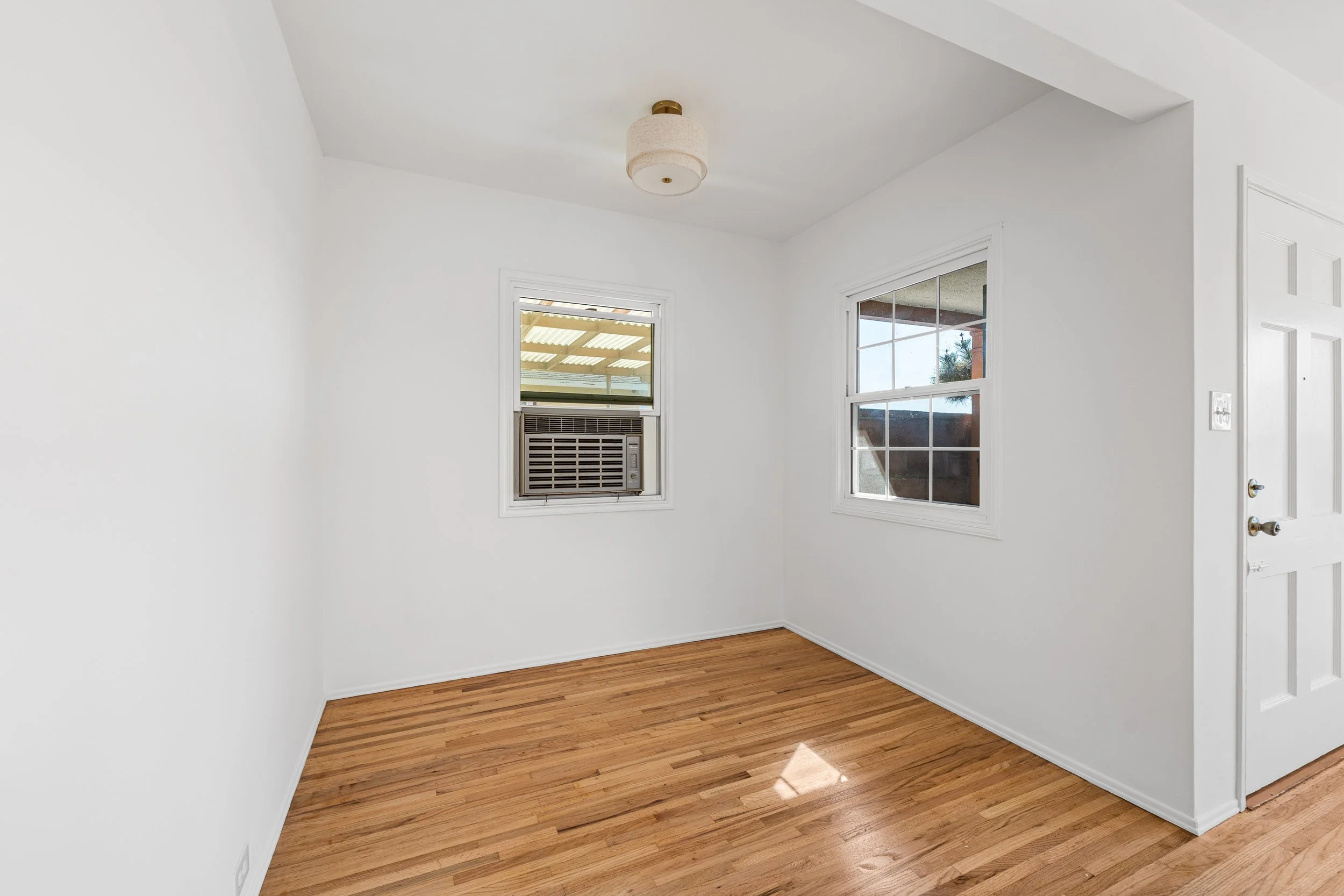
Listed by May Kunka, Realtor of Compass in Monterey Park
You don't necessarily need to replace your HVAC system before selling your Monterey Park home. If the heating and cooling equipment is older but still functioning properly, servicing the system and providing maintenance records may be more practical than installing an entirely new unit. However, a system that doesn't work, requires frequent repairs, or has significant safety concerns can affect buyer confidence and negotiations. The best decision depends on the equipment's condition, replacement cost, and how your home compares with other properties on the market.
If you've lived in Monterey Park for a while, you know how important air conditioning can be during the summer.
There are days when the temperature climbs into the 90s, and coming home to a cool house is one of the best feelings.
So it's understandable that buyers pay attention to heating and cooling systems when they're looking at homes.
But what if you're preparing to sell and your air conditioner is 20 years old?
Maybe it still works.
Maybe it takes a little longer to cool the house than it used to.
Or perhaps you've had a few repairs over the years and you're wondering how much longer it'll last.
Should you replace the whole system before listing?
It's a reasonable question, especially when a new HVAC system can be a substantial expense.
But before spending that money, I'd want to understand what condition the equipment is actually in.
Because an older system isn't automatically a bad system.
And a brand-new system doesn't necessarily mean you'll recover the installation cost when you sell.
Do I Have to Replace My HVAC System Before Selling?
No. California generally doesn't require homeowners to replace an older heating and cooling system simply because they're selling their property.
You can sell a home with aging HVAC equipment.
You can also sell a property where the heating or cooling system needs repairs, subject to applicable disclosure obligations and contractual requirements.
But the condition of the system can still affect the sale.
Buyers may be concerned about future replacement costs.
Their home inspector may identify problems.
And if the equipment isn't functioning, that could become a negotiating point.
The important thing is understanding the situation before it becomes an unexpected issue during escrow.
How Long Does an HVAC System Last?
It depends on the equipment, installation quality, maintenance, and usage.
Central air conditioning systems commonly last around 10 to 20 years, although some last longer and others fail sooner.
Furnaces may have different expected service lives depending on the type and condition.
Heat pumps also have their own maintenance and replacement considerations.
These are general ranges, not guarantees.
A system that's 18 years old may still be functioning well.
Another system that's only 10 years old may have serious problems.
That's why I wouldn't recommend replacing equipment based on age alone.
I'd want a qualified HVAC technician to evaluate its actual condition.
What If My Air Conditioner Still Works?
That's a good starting point.
If the system is cooling the home properly, operating safely, and hasn't required frequent repairs, replacement may not be necessary before selling.
I'd consider having it professionally serviced.
That might include inspecting the equipment, checking its operation, cleaning appropriate components, and addressing minor maintenance issues.
I'd also want to keep the service records.
If a buyer asks about the system, we can provide documentation showing that it was recently evaluated.
That can be more reassuring than simply saying, "It's old, but it works fine."
Should I Get an HVAC Inspection Before Listing?
If the system is older or has experienced problems, I think it's worth considering.
A general home inspector will often test accessible heating and cooling equipment under appropriate conditions.
But a specialized HVAC technician can provide a more detailed evaluation.
They may identify worn components, performance problems, safety concerns, or recommended repairs.
For a gas furnace, I'd especially want any combustion or venting safety concerns properly evaluated.
For air conditioning, I'd want to know whether the system is operating as intended.
Having that information before listing gives us time to decide what to do.
What Are the Warning Signs of an Aging HVAC System?
There are several things worth investigating.
Uneven temperatures: Some rooms may be much warmer or cooler than others.
Unusual noises: Rattling, grinding, or other sounds may indicate mechanical problems.
Frequent repairs: Repeated service calls can suggest the equipment is becoming less reliable.
Poor airflow: Weak airflow may involve the equipment, ductwork, filters, or other issues.
Short cycling: A system that turns on and off frequently may need evaluation.
Unusual odors: Certain smells can indicate maintenance or safety concerns.
Higher utility bills: Increased energy consumption may reflect reduced efficiency, although other factors can also contribute.
None of these symptoms automatically means the entire system needs replacement.
But they are reasons to have a professional investigate.
Will Buyers Expect Central Air Conditioning?
Not necessarily, but cooling is an important consideration for many buyers in Monterey Park.
Some older homes were originally built without central air conditioning.
They may have wall units, window units, ductless mini-splits, or no dedicated cooling system.
Other homes have central heating but no central cooling.
Buyers have different preferences.
Some are perfectly comfortable with ductless systems.
Others strongly prefer central air conditioning.
And some may be planning to install their own equipment after purchasing.
I'd want to compare your property with similar homes in the neighborhood before deciding whether adding or replacing air conditioning would make financial sense.
Should I Install Central Air If My Home Doesn't Have It?
This is a different decision from replacing an existing system.
Installing central air conditioning may require ductwork, electrical improvements, and other modifications.
If your home doesn't already have suitable ducts, the project can become more expensive.
In some cases, a ductless mini-split system may be an alternative.
But I wouldn't automatically recommend installing central air simply to sell.
I'd first look at comparable properties.
Are homes in your price range generally equipped with central air conditioning?
Are buyers expecting it?
And how much additional value might the improvement provide?
If the installation cost is substantial, we need to be realistic about the return.
What About Ductless Mini-Split Systems?
Ductless mini-splits have become increasingly popular in Southern California.
They can provide heating and cooling without requiring conventional ductwork.
This can be particularly useful in older homes.
For example, a smaller Monterey Park home that was originally built without central air may be a good candidate for a ductless system.
But installation still requires appropriate equipment sizing, electrical work, and professional planning.
I'd want to evaluate whether the system makes sense for the property and whether the expense is justified before selling.
Will a New HVAC System Increase My Home's Value?
Potentially.
A newer heating and cooling system can be an attractive feature.
It may reduce buyers' concerns about immediate replacement costs.
And energy-efficient equipment may appeal to buyers who are thinking about long-term utility expenses.
But I wouldn't assume you'll recover the full installation cost through a higher sale price.
Let's say you spend $18,000 installing a new HVAC system.
That doesn't automatically mean the home is worth $18,000 more.
Buyers consider the entire property.
The location.
The layout.
The condition of the kitchen and bathrooms.
The roof.
The windows.
And the overall presentation.
A new HVAC system may improve the home's marketability, but the financial return depends on the property and the competing inventory.
What If My HVAC System Is 25 Years Old but Still Works?
I'd want to have it evaluated.
At that age, replacement may be a reasonable consideration even if the system is currently operating.
But I still wouldn't make the decision without understanding its condition.
If a technician determines that the equipment is safe and functioning properly, we may decide to leave it in place.
We can disclose what we know and provide available maintenance records.
If the technician identifies significant deterioration or recommends replacement, we'll have more information to work with.
I'd also want to obtain a replacement estimate.
That gives us a realistic number to consider when developing our pricing strategy.
What If the Air Conditioner Doesn't Work?
That's something I'd want to address before listing, or at least understand fully.
A nonfunctioning air conditioner may discourage buyers who are looking for a move-in-ready home.
It could also become an issue during inspections or negotiations.
But the solution isn't always a complete replacement.
Sometimes a relatively minor repair can restore operation.
Other times, the equipment has reached the point where replacement makes more sense.
I'd recommend having an HVAC technician diagnose the problem and provide options.
Then we can decide whether to repair, replace, or sell with the condition appropriately disclosed.
Can I Sell My Monterey Park Home With a Broken HVAC System?
Yes, generally.
But known material defects and equipment problems may need to be disclosed.
If the heating or cooling system doesn't work, I wouldn't want to represent it as functioning properly.
Buyers can evaluate the condition during their inspection period, subject to the purchase agreement.
And they may request repairs or negotiate based on what they discover.
Selling a home as-is doesn't eliminate applicable disclosure obligations.
The key is being transparent and pricing the property appropriately.
Could an Old HVAC System Affect the Buyer's Mortgage?
Potentially, depending on the condition and financing program.
Some loan programs have property condition requirements involving adequate and safe heating.
A nonfunctioning or unsafe heating system may create concerns.
Air conditioning requirements can differ, and a home isn't automatically ineligible for financing simply because it lacks central cooling.
The specific lender and loan program matter.
If there's a known problem with the heating equipment, I'd want to investigate it before escrow.
What About the Furnace?
It's easy to focus on air conditioning, especially in Monterey Park.
But the heating system is just as important to evaluate.
Older gas furnaces may develop issues involving heat exchangers, venting, ignition systems, or other components.
Some problems can create safety concerns.
If a furnace is malfunctioning or an inspector identifies a potential hazard, I'd recommend a qualified HVAC technician evaluate it.
And if there's any concern involving carbon monoxide, the issue should be addressed promptly.
I wouldn't recommend continuing to operate equipment that a qualified professional has identified as unsafe.
Should I Replace the Ductwork Too?
Not necessarily.
If the ducts are in good condition and properly designed for the system, replacement may not be needed.
But older ductwork can have problems.
Leaks.
Poor insulation.
Damaged connections.
Or inadequate airflow.
In some older homes, ductwork may have been modified over the years.
I'd want an HVAC contractor to evaluate the ducts if there are concerns.
If you're replacing the equipment, it's a good opportunity to determine whether the existing ductwork is appropriate for the new system.
But I wouldn't replace all the ducts automatically without a reason.
What If the System Uses an Older Refrigerant?
Some older air conditioning systems use R-22 refrigerant, which is no longer produced or imported for use in the United States.
Existing systems aren't automatically required to be replaced solely because they use R-22.
However, servicing them can become more complicated and expensive because supplies are limited.
If your system uses R-22 and develops a significant refrigerant leak, replacement may be more practical than an expensive repair.
I'd want an HVAC technician to evaluate the situation.
And if you're planning to sell, I'd consider whether the system's condition could become a concern for buyers.
How Much Does HVAC Replacement Cost in Monterey Park?
The cost varies significantly.
A straightforward equipment replacement may be less expensive than a project requiring new ductwork, electrical upgrades, or major modifications.
The size of the home matters.
So does the type of system.
A central heat pump installation may have different requirements than replacing a gas furnace and conventional air conditioner.
Equipment efficiency, accessibility, and installation complexity also affect pricing.
I'd recommend obtaining written estimates from qualified HVAC contractors.
Make sure the estimates explain what's included.
Equipment.
Labor.
Permits.
Electrical work.
Duct modifications.
Thermostats.
And any necessary repairs.
That makes it easier to compare your options.
Do I Need a Permit to Replace My HVAC System?
HVAC replacements and installations commonly require permits, depending on the scope of work and applicable local requirements.
California also has energy-efficiency standards that may apply to heating and cooling installations.
Before starting work, I'd recommend confirming permit requirements with the City of Monterey Park's Building and Safety Division.
A qualified contractor should be familiar with the applicable requirements.
I'd also want to make sure required inspections and final approvals are completed.
If you're selling the home, having proper documentation can help answer buyer questions.
Should I Replace the HVAC System Before Professional Photography?
Usually, HVAC equipment isn't a major part of the home's visual presentation.
Unlike flooring, paint, or landscaping, a new air conditioner may not make a dramatic difference in listing photos.
That's one reason I like to evaluate HVAC replacement differently from cosmetic improvements.
The benefit is often functional rather than visual.
However, if installation work involves opening walls, ceilings, or other finished areas, I'd prefer to complete the work and repairs before photography.
We want the home looking its best when it goes on the market.
What If I'm Selling My Parents' Home in Monterey Park?
This is a situation where I'd be particularly thoughtful about major improvements.
Maybe your parents have lived in the house for 40 years.
The furnace is older.
The air conditioner has been repaired a few times.
And there are other updates the property could use.
It can be tempting to replace everything before selling.
But I don't necessarily recommend that.
I'd rather evaluate the entire property and identify which improvements are most likely to make a difference.
Sometimes replacing a failing HVAC system is worthwhile.
Other times, servicing the equipment and focusing on paint, flooring, cleaning, and landscaping may be a better use of money.
And in some cases, selling the property in its current condition may make the most sense.
I don't want families spending thousands of dollars without understanding the likely benefit.
Should I Offer a Buyer Credit Instead of Replacing the HVAC?
That may be an option.
If the system is older or needs work, we can discuss whether a negotiated concession makes sense.
A price adjustment may be appropriate.
A seller credit toward eligible closing costs may also be possible, subject to lender requirements.
But a credit doesn't necessarily resolve a property condition issue that a lender requires to be repaired before closing.
And some buyers may prefer the seller to complete the work.
I'd want to understand the condition, repair estimates, and buyer's financing before deciding how to proceed.
Could a New HVAC System Help My Home Sell Faster?
It might.
A newer system can provide peace of mind for buyers who don't want to take on a major expense immediately after moving in.
But I wouldn't promise that replacing the HVAC system will automatically result in a faster sale.
Pricing, location, overall condition, and marketing are usually much bigger factors.
If the property is otherwise move-in ready and the HVAC system is the only major concern, replacement could make a meaningful difference.
If the entire home needs renovation, installing a new system may have less impact on buyer interest.
What Would I Recommend Before Spending Money?
I'd start with three things.
First, have the existing HVAC system evaluated.
Second, obtain estimates for recommended repairs or replacement.
Third, compare your home with similar properties that have recently sold.
Then we can look at the numbers.
For example, if the system needs a $600 repair, completing that work before listing may be a straightforward decision.
If the equipment needs a $15,000 replacement, I'd want to look more carefully at the potential return.
And if the system is older but still working well, we may decide that replacement isn't necessary.
The right decision depends on the home.
Frequently Asked Questions
Should I replace my air conditioner before selling my house?
Not necessarily. If the system is functioning properly, servicing it may be sufficient. Replacement may make more sense if the equipment is failing or requires expensive repairs.
Does a new HVAC system increase home value?
It can improve buyer appeal and contribute to value, but sellers shouldn't assume they'll recover the entire installation cost.
Can I sell my Monterey Park home with a broken air conditioner?
Yes, generally, but known material defects should be appropriately disclosed. Buyers may negotiate based on the system's condition.
How long does an HVAC system last in Southern California?
Many air conditioning systems last around 10 to 20 years, although actual service life depends on installation, maintenance, and usage.
Should I get an HVAC inspection before listing my home?
It's worth considering, particularly if the equipment is older, has required frequent repairs, or isn't operating properly.
Do I need a permit to replace my HVAC system in Monterey Park?
Many HVAC installations and replacements require permits. Verify the requirements with the City of Monterey Park before starting work.
Is it better to repair or replace an old HVAC system before selling?
That depends on the repair cost, overall condition, remaining service life, and how the property compares with competing homes.
So What's the Next Step?
If you're thinking about selling your Monterey Park home and wondering whether to replace the heating and cooling system, I'd recommend starting with an evaluation.
Let's find out what condition the equipment is actually in.
Does it need a simple repair?
Is it operating safely and efficiently?
Is replacement likely in the near future?
And how does your property compare with other homes buyers are considering?
Once we have that information, we can determine whether replacing the system is likely to be a worthwhile investment.
I've been helping homeowners throughout Monterey Park and the San Gabriel Valley since 2007, and I've worked with homes in all kinds of conditions.
Some are beautifully remodeled.
Others have been owned by the same family for decades and still have many of their original features.
And I don't believe every seller needs to replace every aging system before putting their home on the market.
Sometimes a few thoughtful improvements are enough.
Other times, addressing a major issue before listing can help avoid complications during escrow.
If you're considering selling your Monterey Park home, I'd be happy to walk through the property with you, discuss which improvements are worth making, and help you develop a strategy that fits your timeline and budget.
Because the goal isn't to spend the most money preparing your home.
It's to make smart decisions that help you achieve the best possible result when you sell.