Should I Buy a Pasadena Home With a Hillside Lot?
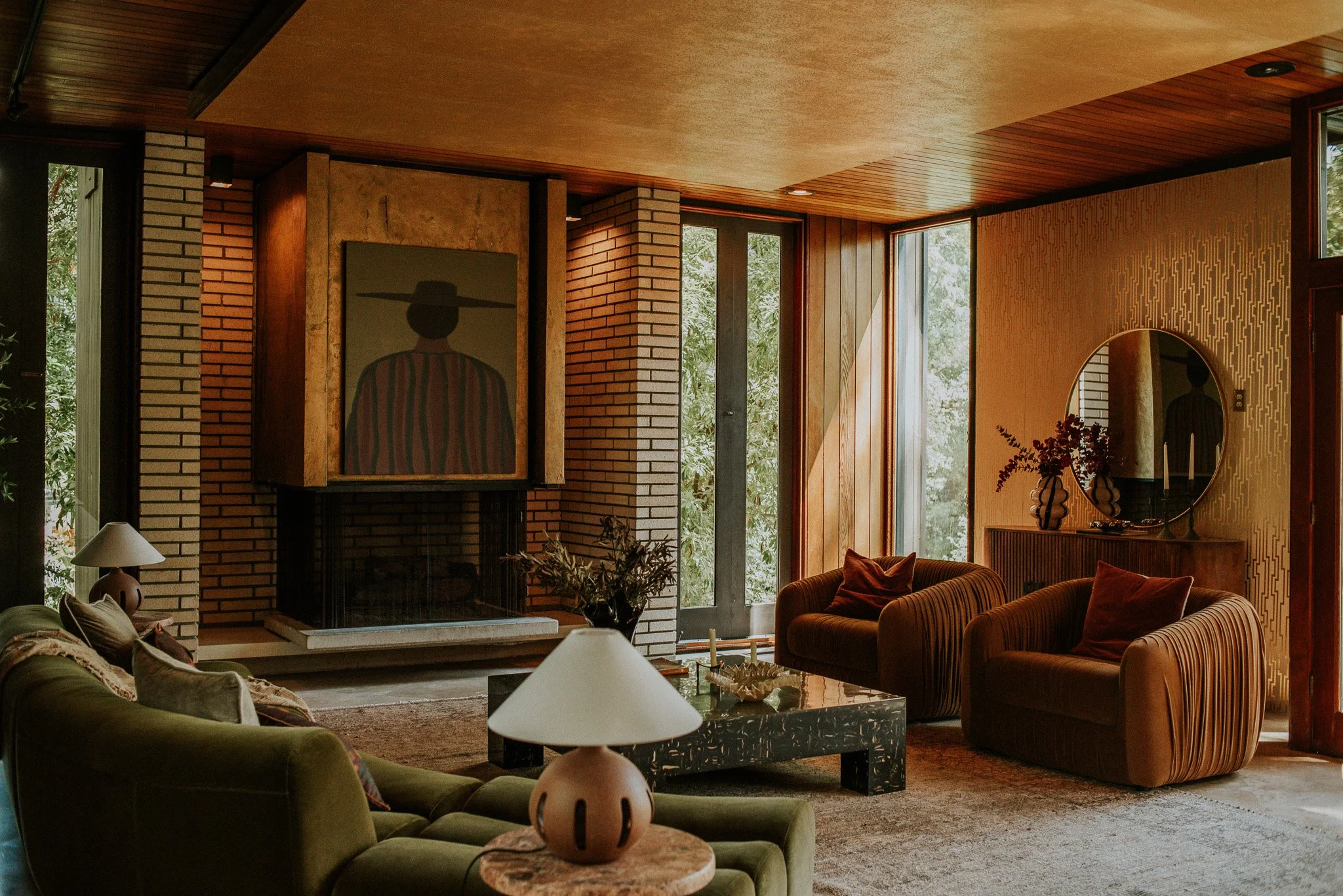
Listed by Bryony Atkinson of Maisonre and Weston Littlefield of Christie’s
Buying a Pasadena home with a hillside lot can be a wonderful investment in your lifestyle, especially if you appreciate views, privacy, and architecturally interesting homes. However, hillside properties can come with additional maintenance responsibilities and potential concerns involving drainage, soil stability, foundations, retaining walls, and homeowners insurance. Before purchasing, buyers should evaluate the property's structural condition, usable outdoor space, insurance availability, and the feasibility of any future improvements.
Some of my favorite homes in Pasadena are tucked away on winding hillside streets.
I love the way these properties take advantage of their surroundings. Large windows overlooking the San Gabriel Mountains, living rooms that open onto elevated decks, mature trees providing privacy, and architecture that feels connected to the landscape.
There's something particularly special about a well-designed hillside home.
But buying one is a little different from buying a traditional house on a flat lot.
You might find a beautiful home sitting on a 15,000 square foot lot, only to realize that very little of that land is actually usable. Or you might fall in love with an incredible view without considering what it takes to maintain the deck you're standing on.
These aren't necessarily reasons to avoid hillside properties. They're simply things I want my buyers to understand before making a decision.
Where Can I Find Hillside Homes in Pasadena?
Pasadena has several areas where buyers can find homes built on sloped or elevated lots.
Linda Vista: Known for its winding streets, mature landscaping, architecturally interesting homes, and properties overlooking the Arroyo Seco or surrounding mountains.
San Rafael Hills: An area where you'll encounter a variety of hillside properties, including mid-century homes, traditional residences, and houses with elevated views.
Annandale: Offers properties with interesting topography, established landscaping, and varying degrees of privacy.
Pasadena foothills: Certain neighborhoods closer to the San Gabriel Mountains offer elevated settings, mountain views, and sloped terrain.
Even within the same neighborhood, hillside conditions can vary considerably. Two homes on the same street may have completely different foundations, drainage systems, and amounts of usable outdoor space.
That's why evaluating the individual property is so important.
What Are the Advantages of Buying a Hillside Home?
There are several reasons buyers are drawn to hillside properties.
Views are probably the most obvious. Depending on the location and orientation, you might enjoy views of the mountains, city lights, surrounding neighborhoods, or the Arroyo Seco.
Privacy can also be a significant advantage. Differences in elevation between neighboring homes may create a greater sense of separation.
And then there's the architecture.
I'm particularly drawn to mid-century homes that incorporate the natural slope into their design. Walls of glass, elevated living spaces, cantilevered decks, and interesting split-level layouts can make these properties feel incredibly special.
Hillside homes can offer an experience that's difficult to replicate on a conventional flat lot.
Does a Large Hillside Lot Mean More Usable Space?
Not necessarily, and this is something I always encourage buyers to pay attention to.
Imagine you're comparing two Pasadena homes. One sits on a relatively flat 8,000 square foot lot. The other sits on an 18,000 square foot hillside lot.
On paper, the second property offers more than twice as much land. But when you visit, you discover that most of the hillside is steep and inaccessible.
Which property offers more usable outdoor space?
That depends on what you're looking for.
If you want a large grassy backyard for your dogs, outdoor entertaining, or a place for children to play, the smaller flat lot may actually work better.
If you prioritize privacy, views, and a natural landscape, the hillside property may be much more appealing.
I wouldn't evaluate lot size without considering the topography.
Are Hillside Homes More Expensive to Maintain?
They can be.
Some maintenance projects that are relatively straightforward on a flat property become more complicated on a hillside.
Accessing certain areas of the roof may require additional equipment. Landscaping crews may have difficulty reaching steep portions of the property. Exterior painting, foundation repairs, and deck replacement may require specialized access.
Retaining walls and drainage systems can also introduce maintenance expenses that aren't present on every flat lot.
This doesn't mean every hillside home is expensive to maintain. A thoughtfully designed and well-maintained property may have relatively manageable expenses.
But I'd want buyers to budget for the specific features of the home rather than assume maintenance costs will be comparable to a conventional property.
Should I Get a Geological or Geotechnical Inspection?
Depending on the property, this may be worth considering.
A general home inspection is an important starting point, but it typically doesn't provide a comprehensive evaluation of soil stability or geological conditions.
If the property is located on a significant slope, has a history of movement, or shows signs of potential instability, I'd consider consulting a qualified engineering geologist or geotechnical engineer.
These professionals can evaluate conditions involving soil, slope stability, erosion, and other geological factors.
A structural engineer may also be appropriate if there are concerns about the foundation or the home's structural components.
The right inspections depend on the individual property. I wouldn't automatically order every specialized inspection, but I also wouldn't rely exclusively on a general home inspection when there are significant hillside concerns.
How Important Is Drainage on a Hillside Property?
Extremely important.
Water management is one of the first things I'd want to investigate when purchasing a hillside home.
During heavy winter rains, water can move downhill, accumulate around foundations, erode soil, and increase pressure behind retaining walls.
A properly designed drainage system helps manage that water and direct it away from vulnerable areas.
I'd want to understand how the property handles runoff, whether drainage systems are maintained, and whether there is any history of water intrusion or erosion.
I'd also pay attention to neighboring properties uphill. Water doesn't necessarily respect property lines, and drainage conditions beyond your own lot may affect your home.
A hillside property that looks beautiful during a dry summer showing may behave very differently during a significant winter storm.
What Should I Know About Hillside Foundations?
Hillside homes can have a variety of foundation systems depending on when they were built, the slope, and the underlying soil conditions.
Some have stepped foundations. Others may be supported by piers, caissons, or other engineered systems. Certain homes incorporate retaining structures into their foundation design.
I'd want to understand how the home is supported and whether there are signs of movement or deterioration.
Potential concerns include significant cracking, uneven floors, displaced structural components, and evidence of previous foundation repairs.
However, an uneven floor in an older hillside home doesn't automatically mean the property is experiencing active movement.
That's where a qualified structural engineer can help distinguish between historical settlement and conditions that may require attention.
What If the Property Has Retaining Walls?
Retaining walls are common on hillside properties because they help support soil and create more usable areas.
Some are relatively small landscaping walls. Others are substantial engineered structures supporting driveways, patios, or portions of the property.
I'd want to evaluate their condition, particularly if there are signs of leaning, bulging, cracking, or drainage problems.
I'd also want to understand who owns and maintains the walls. A retaining wall near a property boundary may raise questions about maintenance responsibilities or easements.
Replacing a substantial retaining wall can be expensive, particularly when access is limited.
If an inspection identifies concerns, I'd recommend obtaining a professional evaluation and repair estimates before removing contingencies.
Should I Be Concerned About Landslides?
Landslide susceptibility is something worth investigating when purchasing a hillside property in Southern California.
The degree of risk depends on factors such as geology, slope, drainage, soil conditions, and previous grading.
I'd recommend reviewing the property's Natural Hazard Disclosure report and available geological hazard maps. However, these resources don't replace a property-specific evaluation.
If there are indications of previous slope movement, significant erosion, or other concerns, additional geological or geotechnical investigation may be appropriate.
I wouldn't assume a property is safe simply because neighboring homes have been there for decades. Likewise, I wouldn't assume every hillside property presents a significant landslide risk.
The actual site conditions matter.
Are Hillside Homes More Difficult to Insure?
Potentially, particularly when the property is located in an area with elevated wildfire exposure.
Insurance companies may evaluate the property's location, construction, roof condition, surrounding vegetation, accessibility, and other characteristics.
Some hillside properties may have fewer insurance options or higher premiums than comparable homes elsewhere.
It's also important to understand that standard homeowners insurance generally excludes certain types of earth movement, including landslides and earthquakes. Flood and mudflow coverage may also require separate consideration.
I'd strongly encourage buyers to obtain property-specific insurance quotes early in escrow and review coverage limitations with an insurance professional.
Don't wait until you're approaching closing to discover that coverage is difficult to obtain or substantially more expensive than anticipated.
What About Wildfire Risk and Landscaping?
For certain Pasadena hillside and foothill properties, vegetation management and wildfire preparedness are important considerations.
Beautiful mature landscaping can contribute significantly to a property's appeal. However, maintaining vegetation on steep terrain can require additional work.
I'd want to investigate whether the property is subject to applicable brush clearance, defensible space, or other fire safety requirements.
I'd also consider how easily maintenance crews can access the hillside and whether there are large trees requiring specialized care.
The property's location and applicable requirements will determine what ongoing maintenance is necessary.
Should I Be Concerned About Hillside Decks and Balconies?
Absolutely worth investigating.
Some of the most beautiful hillside homes have expansive decks that take advantage of their views. But those decks are also exposed to weather and require ongoing maintenance.
I'd want the inspector to evaluate accessible framing, supports, connections, railings, waterproofing, and signs of deterioration.
A deck may look perfectly fine from above while having issues with structural components underneath.
If the deck is significantly elevated or appears to have structural concerns, I'd consider bringing in a qualified specialist.
I'd also want to review available permits for substantial deck additions or modifications.
Will My Views Always Be Protected?
Not necessarily.
This is an important consideration if the view is one of the primary reasons you're purchasing the property.
A neighboring homeowner may eventually build an addition, modify their roofline, or plant trees that grow into your view.
Unless there are applicable restrictions, recorded easements, or other enforceable protections, you shouldn't assume that your current view is guaranteed indefinitely.
If a particular view is essential to your purchase decision, I'd recommend investigating surrounding properties, applicable development restrictions, and available title documents.
A spectacular view can contribute to a home's appeal and value, but its permanence shouldn't be taken for granted.
Can I Build a Pool or ADU on a Pasadena Hillside Lot?
Possibly, but hillside construction can be considerably more complicated than construction on a flat lot.
A swimming pool may require excavation, structural engineering, retaining walls, and specialized access for construction equipment.
An accessory dwelling unit may involve similar considerations, along with utility connections, grading, setbacks, and applicable building requirements.
Even if the lot is large enough on paper, the slope may limit where construction is practical.
If adding a pool, ADU, or substantial addition is part of your long-term plan, I'd recommend investigating feasibility before purchasing.
An architect, contractor, or engineering professional familiar with hillside construction can help evaluate the possibilities.
What About Parking and Everyday Accessibility?
This is one of those practical considerations that can easily get overlooked when you're distracted by a beautiful view.
Some hillside homes have steep driveways, narrow streets, limited guest parking, or garages that are difficult to access.
Others have several flights of stairs between the garage and the main living area.
Think about what that means for your everyday routine.
How will you bring groceries into the house? Is there a convenient place for guests to park? Will the property still work for you if your mobility needs change?
I'd also consider how moving trucks, delivery vehicles, and maintenance contractors will access the property.
These details may not seem particularly important during a showing, but they can make a meaningful difference once you're living there.
Do Hillside Homes Have Better Resale Value?
They can command a premium when they offer desirable views, privacy, attractive architecture, and functional outdoor space.
However, hillside location alone doesn't guarantee stronger appreciation or resale value.
A beautifully maintained mid-century home with panoramic views and convenient access may appeal to a very different buyer pool than a property with a steep driveway, limited parking, and significant structural maintenance needs.
I'd evaluate comparable hillside sales rather than simply compare the property with every other home in Pasadena.
The quality of the view, architectural design, accessibility, condition, and usable outdoor space all contribute to how buyers perceive the property.
What Documents Should I Request Before Buying a Hillside Home?
In addition to the standard seller disclosures, I'd ask whether the following documents are available:
Previous geological or geotechnical reports
Structural engineering reports
Foundation repair records
Retaining wall plans and permits
Drainage improvement records
Grading and construction permits
Deck repair or replacement documentation
Records of previous water intrusion, erosion, or slope movement
Recorded easements and maintenance agreements
Older properties may not have complete documentation, but whatever information is available can help guide our inspections.
I'd also want qualified professionals to review relevant historical reports rather than assume that an older report accurately reflects current conditions.
Frequently Asked Questions
Is it a bad idea to buy a hillside home in Pasadena?
No. Hillside homes can offer exceptional views, privacy, and architecture. Buyers should carefully evaluate structural conditions, drainage, insurance, and ongoing maintenance responsibilities.
Are hillside homes more expensive to insure in California?
They can be, particularly in areas with elevated wildfire exposure. Insurance costs and availability depend on the individual property and insurer.
Do I need a geological inspection when buying a hillside home?
Not every hillside purchase requires one, but a geological or geotechnical evaluation may be appropriate when there are significant slopes, signs of movement, or known geological concerns.
Does a hillside lot increase property value?
It can, particularly when the property offers desirable views and privacy. However, limited usable land, difficult access, or maintenance concerns may offset those advantages.
Can I build an ADU on a hillside property in Pasadena?
Potentially. Feasibility depends on the site's conditions, applicable regulations, engineering requirements, and construction costs.
Does homeowners insurance cover landslides?
Standard homeowners insurance generally excludes landslides and certain other forms of earth movement. Discuss available coverage options and exclusions with an insurance professional.
What are the biggest risks when buying a hillside home?
Some of the most important considerations include soil instability, inadequate drainage, foundation movement, retaining wall deterioration, wildfire exposure, and unexpected maintenance expenses.
So What's the Next Step?
If you're considering buying a hillside home in Pasadena, I completely understand the appeal.
Some of the most architecturally interesting properties in the area are situated on hillside lots. And there's something wonderful about coming home to a beautiful view, surrounded by mature trees, with a little separation from the rest of the city.
But I also want you to look beyond the view.
How much of the lot will you actually use? What condition are the foundation and retaining walls in? Can you comfortably insure the property? And does the layout work for your everyday life?
I've been helping buyers throughout Pasadena and the San Gabriel Valley since 2007, and I particularly enjoy exploring architecturally interesting homes in neighborhoods like Linda Vista and the San Rafael Hills.
When it comes to hillside properties, I want my clients to appreciate what makes the home special while also understanding the responsibilities that come with owning it.
If you're searching for a hillside home in Pasadena, I'd be happy to help you explore different neighborhoods, evaluate properties, coordinate specialized inspections, and determine whether a particular home is the right fit for you.
You can give me a call, send me a text or email, or reach out through the contact form on my website.
A beautiful view is a wonderful reason to fall in love with a home. Understanding the property beneath it is just as important.