Should I Sell My Monterey Park Home With Unpermitted Improvements?
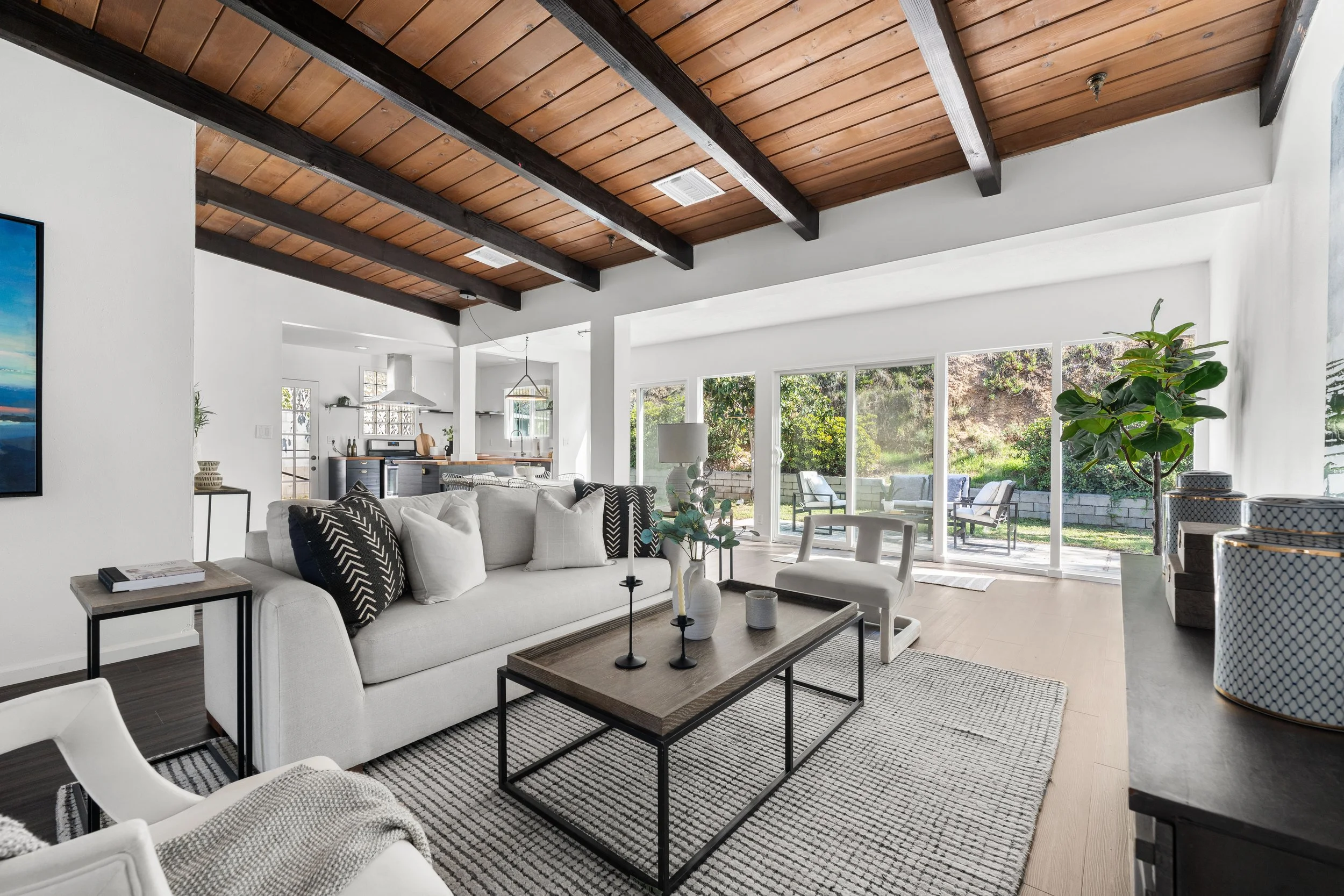
Listed by May Kunka, Realtor of Compass in Monterey Park
Yes, you can generally sell your Monterey Park home with unpermitted improvements. However, known unpermitted work should be appropriately disclosed, and it may affect the property's value, buyer financing, insurance, and negotiations. Obtaining permits before selling isn't always necessary or financially worthwhile. The best approach depends on the type of improvement, its condition, whether it can be legalized, and how much it contributes to the property's overall functionality and value.
One of the interesting things about selling homes in Monterey Park is seeing how properties have evolved over the years.
Many homes have been owned by the same families for decades. As those families grew, their housing needs changed, and improvements were made along the way.
An additional bedroom for a growing family. An enclosed patio for more entertaining space. A garage converted into a recreation room. An extra bathroom to make everyday life a little more convenient.
Sometimes these improvements were completed with permits. Other times, they weren't. And occasionally, the current homeowner doesn't even know whether the work was permitted because it was completed by a previous owner.
So what happens when it's time to sell?
Do you need to obtain permits for everything? Will buyers be willing to purchase the property? And can you include that additional space in your home's advertised square footage?
Before spending money trying to legalize improvements, I'd want to understand exactly what we're dealing with.
Can I Legally Sell a Home With Unpermitted Work in Monterey Park?
Generally, yes. The existence of unpermitted improvements doesn't automatically prevent you from selling your property.
However, selling the home doesn't legalize the work or eliminate potential building code violations. The buyer may inherit the responsibility for addressing those issues after closing.
If there's an existing code enforcement case, outstanding violation, or other city requirement, that could complicate the transaction.
California sellers also have disclosure obligations involving known material facts about the property. If you're aware that certain improvements were completed without required permits, that information should be appropriately disclosed.
The key is understanding the situation and being transparent with prospective buyers.
What Types of Unpermitted Improvements Are Common in Monterey Park?
In older residential properties, unpermitted improvements can take many forms.
Some examples include:
Enclosed patios and sunrooms
Garage conversions
Additional bedrooms or bathrooms
Expanded kitchens
Converted basement or storage areas
Detached guest rooms
Interior walls that have been removed or relocated
Electrical and plumbing modifications
Room additions extending beyond the original footprint
Not all unpermitted improvements present the same level of concern.
An enclosed patio used for storage is very different from an unpermitted bedroom with inadequate emergency access or a garage converted into a rental unit.
The nature of the work, its quality, and its intended use all matter.
How Do I Know If My Home Has Unpermitted Improvements?
I'd start by comparing the property's current configuration with available public records.
For example, your home may currently have four bedrooms and three bathrooms, but county assessor records indicate three bedrooms and two bathrooms.
That discrepancy doesn't automatically prove the additional rooms are unpermitted, but it's worth investigating.
We can also review available building permit records through the City of Monterey Park.
I'd want to know whether permits were issued, what work they covered, and whether the required inspections and final approvals were completed.
Older records may be incomplete, so the absence of an easily located permit isn't always conclusive.
If you have original construction documents, contractor invoices, architectural plans, or records from previous owners, those may also help clarify the property's history.
What If the Improvements Were Completed Before I Bought the House?
This is a situation that can be particularly frustrating for sellers.
Maybe you purchased your Monterey Park home 25 years ago, and the additional bedroom was already there. You've used it all these years without any issues, and now you're discovering that there may not be permits for it.
You aren't automatically required to legalize every improvement completed by a previous owner simply because you're selling.
However, you should disclose what you know about the property and any relevant information you've learned during your ownership.
I'd also recommend reviewing the disclosures you received when you originally purchased the home, if you still have them.
Sometimes those documents provide helpful information about the property's history.
Does Unpermitted Square Footage Count Toward My Home's Value?
This is one of the most important distinctions sellers should understand.
Just because additional space is useful doesn't mean it will be valued the same way as permitted living area.
Let's say your Monterey Park home has 1,400 square feet of documented living space, plus a 400 square foot enclosed patio that was converted into a family room without permits.
You may have enjoyed that additional space for decades. And prospective buyers may appreciate it too.
But an appraiser may not assign the same value to that area as the original living space.
The appraiser's treatment will depend on the property's characteristics, applicable appraisal standards, lender requirements, and market evidence.
Unpermitted space isn't necessarily worthless. However, I wouldn't automatically calculate the property's value based on 1,800 square feet of fully permitted living area.
Can I Include Unpermitted Square Footage in My Listing?
I'd be particularly careful about how we represent the property.
If public records indicate 1,400 square feet and there's an additional 400 square feet with an unclear permit history, we need to distinguish between those areas.
We should also follow applicable MLS rules and accurately identify the source of any advertised square footage.
I'd rather clearly explain that the property offers additional usable space with an unverified or unpermitted status than create an expectation that all of it is legally recognized living area.
Buyers can then evaluate the property with a better understanding of what they're purchasing.
Accurate marketing can also help reduce misunderstandings during escrow.
Will Buyers Purchase a Home With Unpermitted Additions?
Absolutely. Some buyers are comfortable purchasing homes with unpermitted improvements, particularly when they understand the circumstances and the property is priced appropriately.
For example, a buyer may appreciate an enclosed patio as additional storage or recreational space, even if it isn't recognized as permitted living area.
Other buyers may be more cautious, especially if they're relying on an unpermitted bedroom or bathroom to meet their family's needs.
A buyer who needs four legal bedrooms may evaluate the property differently from someone who only needs three bedrooms and appreciates having additional flexible space.
Understanding the likely buyer pool is an important part of developing our marketing strategy.
Can Unpermitted Work Affect the Buyer's Mortgage?
Yes, potentially.
Mortgage lenders have different property eligibility and condition requirements.
An appraiser may identify improvements that don't match public records or areas that raise questions about safety, construction quality, or legal use.
Depending on the circumstances, the lender may request additional information, require certain corrections, or determine that the property doesn't qualify for a particular loan program.
However, the presence of unpermitted work doesn't automatically mean the buyer will need to pay cash.
I'd want to understand the nature of the improvements and communicate relevant information early in the transaction.
The last thing we want is to discover a significant financing obstacle just days before closing.
Can Unpermitted Improvements Affect Homeowners Insurance?
They can.
Insurance companies may evaluate the property's construction, occupancy, condition, and intended use when determining coverage.
Unpermitted electrical work, plumbing modifications, or residential conversions may raise additional questions.
For example, a garage being used as an independent rental unit may require different insurance considerations than a garage being used for parking and storage.
Insurance coverage and claim decisions depend on the specific policy and circumstances. Unpermitted work doesn't automatically invalidate an entire homeowners insurance policy.
However, buyers should discuss the property's condition and intended use with their insurance professional before closing.
Should I Obtain Retroactive Permits Before Selling?
Sometimes, but I wouldn't automatically recommend it.
Obtaining permits after construction has already been completed can be more complicated than obtaining them before the work begins.
The city may require plans, engineering documents, inspections, or modifications to bring the improvement into compliance with applicable requirements.
In some cases, portions of walls or ceilings may need to be opened so inspectors can evaluate concealed electrical, plumbing, or structural components.
And depending on the improvement, legalization may not be feasible without substantial changes.
Before beginning that process, I'd want to understand:
Whether the improvement can potentially be legalized
What documentation and inspections may be required
How much the process is likely to cost
Whether additional construction will be necessary
How long it may delay the sale
How much additional value legalizing the space could provide
If the potential benefit outweighs the cost, it may be worth pursuing. But that's a decision I'd want to make with actual information.
What If Legalizing the Improvement Costs More Than It's Worth?
Then selling the property in its current condition may be the more practical option, provided applicable legal requirements and disclosure obligations are satisfied.
Imagine you have an enclosed patio that provides a nice additional sitting area.
Legalizing it as habitable living space might require foundation improvements, insulation, new windows, electrical upgrades, and other construction.
By the time the project is complete, you may have spent a substantial amount of money without receiving an equivalent increase in resale value.
I'd want to compare the potential net proceeds from selling the property as it currently exists with the potential net proceeds after completing the work.
Sometimes the numbers simply don't justify the investment.
What If My Garage Was Converted Into Living Space?
Garage conversions deserve particular attention because they can affect both the property's legal use and parking functionality.
Some Monterey Park homes have garages that were converted into bedrooms, family rooms, guest quarters, or independent living units.
The space may look beautifully finished, but that doesn't establish that it's legally permitted for residential occupancy.
If the conversion includes a kitchen and bathroom, there may be opportunities to investigate legalization as an accessory dwelling unit.
California's ADU laws provide pathways for certain existing unpermitted units, but eligibility and required corrections depend on the circumstances.
I'd recommend consulting the City of Monterey Park and an experienced ADU professional before assuming the conversion qualifies.
We should also consider whether the property has adequate parking and how the loss of garage space affects buyer appeal.
Can I Advertise an Unpermitted Guest House as an ADU?
I wouldn't market an unpermitted structure as a legal ADU without documentation supporting that designation.
A detached structure may have a bedroom, bathroom, and kitchen, but that doesn't necessarily mean it's approved for independent residential occupancy.
This becomes especially important when buyers are considering rental income.
If a buyer is relying on anticipated rent to help afford the property, they need to understand whether the unit can legally be rented.
I'd rather describe the space accurately, disclose its known permit status, and allow buyers to investigate potential future uses.
We shouldn't promise rental income or legalization opportunities that haven't been verified.
What If the Unpermitted Work Is Actually Very Well Done?
Quality of construction and permit status are two separate issues.
An addition may have been built by an experienced contractor and appear to be in excellent condition, even though the required permits weren't obtained.
Conversely, permitted improvements can still develop maintenance or workmanship problems over time.
If an unpermitted addition appears well constructed, that may be encouraging to buyers. But it doesn't establish that the work complies with applicable building requirements.
A professional inspection can help evaluate visible conditions, and specialized inspections may be appropriate depending on the type of work.
I'd want buyers to have enough information to understand both the physical condition and the legal status of the improvement.
What If the City Discovers the Unpermitted Work During the Sale?
Depending on the circumstances, the city may require the property owner to address building code violations, obtain permits, make corrections, or discontinue an unauthorized use.
The specific outcome depends on the improvement and applicable regulations.
If you're already aware of a notice of violation or an outstanding code enforcement issue, that's something I'd want to investigate before listing.
An unresolved violation may affect negotiations, financing, and the timeline for closing.
I'd also recommend consulting the appropriate city department and, when necessary, a qualified real estate attorney to understand your responsibilities.
Should I Remove Unpermitted Improvements Before Selling?
Not necessarily.
Removing an improvement can be expensive and may eliminate space that buyers would otherwise appreciate.
However, removal or restoration may be worth considering if the work is unsafe, cannot be legalized, or creates a significant obstacle to selling.
For example, restoring a poorly converted garage to its original parking use may improve the property's functionality and appeal.
But removing a substantial room addition could be a much more complicated decision.
Demolition and restoration work may also require permits.
I'd want to evaluate the costs, applicable requirements, and likely resale impact before recommending that approach.
Do I Have to Disclose Unpermitted Work When Selling My Monterey Park Home?
California sellers generally have an obligation to disclose known material facts affecting the property's value or desirability.
For transactions requiring a Real Estate Transfer Disclosure Statement, the form specifically addresses certain additions, structural modifications, and alterations made without necessary permits or not in compliance with building codes.
Even when a particular transaction is exempt from that form, other disclosure obligations may still apply.
If you know an improvement was completed without required permits, I wouldn't recommend withholding that information.
If you genuinely don't know whether permits were obtained, it's important to accurately communicate what you know rather than make unsupported representations.
Selling a property as-is doesn't eliminate applicable disclosure obligations.
Will Buyers Ask for a Price Reduction Because of Unpermitted Work?
They might.
Buyers may consider the potential cost of legalization, necessary repairs, insurance concerns, or limitations on how they can use the space.
However, if the property's condition and permit status were appropriately disclosed and considered in the original asking price, that information can help us evaluate subsequent requests.
I'd prefer to have realistic estimates and documentation available rather than negotiate based entirely on speculation.
We can then determine whether a requested concession is reasonable in the context of the overall transaction.
What If I'm Selling an Inherited Home With Unpermitted Additions?
This is particularly relevant in Monterey Park, where many properties have remained in the same family for generations.
You may be responsible for selling your parents' home but have very little information about improvements completed 30 or 40 years ago.
Perhaps you remember when the family room was added, but you don't know who completed the work or whether permits were obtained.
I'd start by gathering whatever documentation is available and comparing the property with public records.
Depending on the type of trust or probate transaction, certain disclosure forms may not be required. However, that doesn't mean known material facts can simply be ignored.
As a Certified Trust and Probate Specialist, I understand that families selling inherited properties often have several responsibilities to manage at once.
I wouldn't want you spending unnecessary money trying to resolve every historical improvement without first understanding your options.
How Should I Price a Monterey Park Home With Unpermitted Improvements?
I'd start with comparable sales and evaluate the property's documented living area, condition, location, lot size, and overall functionality.
Then I'd consider the additional space separately.
For example, an enclosed patio may offer genuine utility to buyers, even if it isn't valued as conventional living area.
An unpermitted addition that requires significant corrective work may have a very different impact.
There isn't a universal percentage that should be deducted from a home's value because it contains unpermitted improvements.
The pricing strategy should reflect the specific property and how buyers are likely to evaluate it.
Three Options for Selling a Home With Unpermitted Work
When preparing a Monterey Park home for sale, I'd generally consider three possible approaches.
Option 1: Sell the property in its current condition. Appropriately disclose the improvements, provide available documentation, and price the home accordingly. This may be practical when legalization is expensive or the seller has a limited timeline.
Option 2: Obtain permits and legalize the improvements. This may be worthwhile when the additional space contributes significant value and legalization is reasonably achievable.
Option 3: Remove or restore certain improvements. This may make sense when an unauthorized conversion creates safety concerns, reduces functionality, or presents a significant obstacle to selling.
The right approach isn't necessarily the one that produces the highest sale price. It's the one that makes the most sense when we consider expenses, time, risk, and your potential net proceeds.
Frequently Asked Questions
Can I sell a house with unpermitted additions in California?
Yes, generally. However, known unpermitted improvements should be appropriately disclosed, and outstanding violations or property condition issues may affect the transaction.
Does unpermitted square footage add value to a home?
It may contribute value through its functionality, but it isn't necessarily valued at the same rate as permitted living space.
Can a buyer get a mortgage on a home with unpermitted work?
Possibly. Financing depends on the nature of the improvements, property condition, appraisal findings, and lender requirements.
Do I have to get retroactive permits before selling my Monterey Park home?
Not automatically. Whether legalization is necessary or worthwhile depends on the improvement, applicable city requirements, and the circumstances of the sale.
Can I legalize an unpermitted garage conversion in Monterey Park?
Potentially. Certain conversions may qualify for legalization, including through applicable ADU provisions. The property's eligibility and necessary improvements should be verified with the city.
Can I sell an inherited home with unpermitted improvements?
Yes, generally. Sellers should accurately communicate known material facts and determine which disclosure obligations apply to the specific trust or probate transaction.
Should I lower my asking price because of unpermitted work?
Not necessarily by a predetermined amount. Pricing should reflect comparable sales, documented living area, the usefulness of the improvements, and potential costs or limitations.
So What's the Next Step?
If you're thinking about selling your Monterey Park home and you're concerned about unpermitted improvements, I'd recommend getting a better understanding of the property before making any major decisions.
Let's review the available records, identify any discrepancies, and determine which improvements may need further investigation.
If legalization is an option, we can explore whether the potential increase in value justifies the expense. If selling the property in its current condition makes more sense, we can develop a pricing and marketing strategy that reflects that.
I've been helping homeowners throughout Monterey Park and the San Gabriel Valley since 2007, and I've worked with properties in all kinds of conditions.
Many of these homes have been in the same family for decades. They've been expanded, remodeled, and adapted to meet the needs of different generations.
Not every improvement has a perfectly documented history, and that doesn't necessarily mean the property can't be sold successfully.
If you're considering selling your Monterey Park home, whether it's your own residence, your parents' home, or an inherited property, I'd be happy to walk through it with you and discuss your options.
You can give me a call, send me a text or email, or reach out through the contact form on my website.
Before spending thousands of dollars trying to correct improvements made decades ago, let's determine whether that investment actually makes sense for your sale.