How Do I Sell an Inherited Home in Monterey Park?
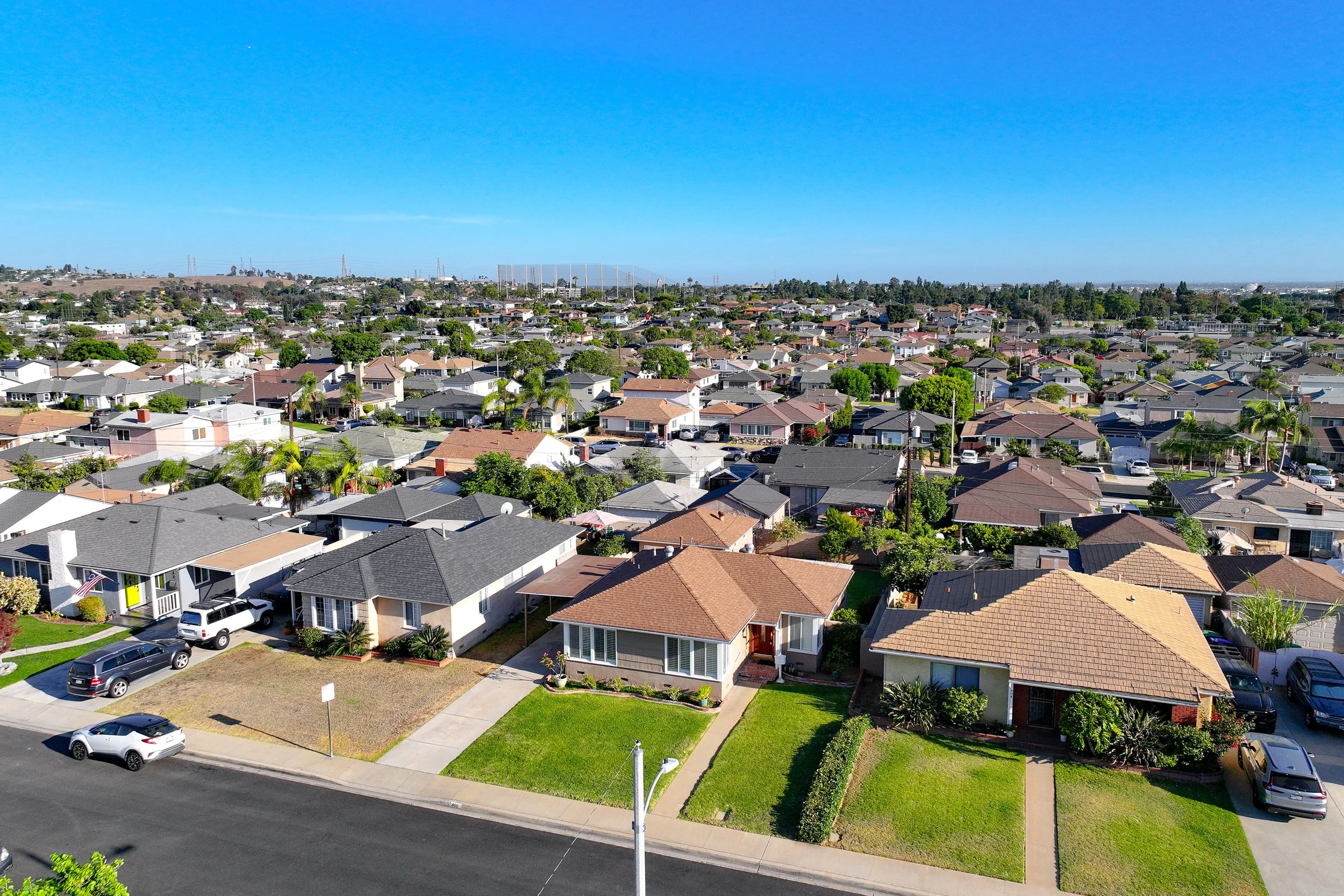
Listed by May Kunka of Compass in Monterey Park
If you've inherited a home in Monterey Park, the first step is figuring out who has legal authority to sell it. The property might be held in a trust, it might already have transferred to beneficiaries, or it may need to go through some form of probate. Once that's clear, we can determine the home's condition and value, decide whether to sell it as-is or prepare it for market, and coordinate the sale with the trustee, personal representative, attorney, beneficiaries, and other professionals involved.
One of the hardest parts about selling an inherited home usually isn't the real estate.
It's everything surrounding it.
You're sorting through someone's belongings.
Family members may have different opinions.
There's paperwork you don't understand.
Maybe the house hasn't been updated in 40 years.
Maybe you don't even live in California.
And somewhere in the middle of all of that, someone says:
"We need to sell the house."
Where do you even start?
I've worked with trust and probate sales, and the first thing I tell families is that we don't need to solve everything on day one.
We need to figure out what we're actually dealing with.
First, Who Has the Authority to Sell the Home?
Before I'm worrying about paint colors or listing photos, this is the question I want answered.
Who can legally make decisions about the property?
That depends on how the property was owned and what happened after the owner passed away.
Maybe the home was held in a living trust.
Maybe there's a will.
Maybe there's no will.
Maybe title was held in a way that allows the property to transfer outside of probate.
Maybe the estate needs court involvement.
California Courts explains that when probate is required, the court appoints a personal representative to handle the estate. That may be the executor named in a will or another person appointed by the court.
So before I tell a family:
"Let's put it on the market next Thursday!"
I want the legal side confirmed.
Does an Inherited House Always Have to Go Through Probate?
No.
This is a big misconception.
Someone passes away and the family immediately thinks:
"Now we have to go through probate."
Not necessarily.
A property held in a properly established trust may be handled through the trust.
Other methods of ownership can affect how title transfers.
California also has simplified procedures that may apply to certain estates or qualifying real property. The rules changed in 2025, including a procedure that can apply to a decedent's California primary residence valued up to $750,000 when statutory requirements are satisfied.
Whether one of those procedures applies to your situation is a legal question.
That's why I want the estate attorney or appropriate legal professional involved early when there's uncertainty.
What's the Difference Between a Trust Sale and a Probate Sale?
From a buyer's perspective, they may simply see:
House for sale.
Behind the scenes, the process can be very different.
With a trust sale, the trustee may have authority under the trust to manage and sell the property.
With a probate sale, a court-appointed personal representative is handling property belonging to the estate.
How much court involvement is required in a probate sale can depend on the representative's authority and the circumstances of the estate.
California probate rules specifically recognize situations where a personal representative has independent power to sell real property.
In other situations, court confirmation may be required. California Courts even has a specific Report of Sale and Petition for Order Confirming Sale of Real Property for transactions requiring that process.
This is why I don't treat every estate sale exactly the same.
What Does "Full Authority" Mean in a Probate Sale?
If a personal representative is operating under the Independent Administration of Estates Act, commonly called the IAEA, their level of authority can affect how the real estate is sold.
California court guidance explains that a personal representative with full authority can sell real property after following the applicable Notice of Proposed Action process if there are no objections.
A representative with limited authority may need court approval to sell real estate.
That's a meaningful difference.
If I'm listing a probate property, I want to understand the representative's authority before we accept an offer so everyone knows what the closing process may require.
Do I Need a Probate Attorney?
If the property is going through probate, or you're uncertain about the legal authority to sell it, I strongly recommend getting appropriate legal advice.
I'm a Realtor.
I can help you:
Value the property.
Prepare it for sale.
Coordinate vendors.
Market it.
Negotiate offers.
Work with buyers.
Coordinate with escrow.
Keep the transaction moving.
But I'm not going to pretend to be your probate attorney.
The strongest estate sales I've been involved with usually work because the professionals communicate with one another.
Should I Get the House Appraised After Someone Dies?
This is a really important question to discuss with your attorney and tax professional.
Why?
Because the value of an inherited property on the date of death can have major tax significance.
The IRS says the basis of inherited property is generally its fair market value on the date of the decedent's death, although alternate valuation and certain exceptions can apply.
This is often referred to as a step-up in basis.
And it can make a huge difference.
What Does a Step-Up in Basis Mean?
Let's use a simplified example.
Your parents bought their Monterey Park home decades ago for:
$100,000.
By the time the owner passes away, it's worth:
$1,000,000.
You inherit it and eventually sell it for:
$1,050,000.
A common misconception is:
"We made $950,000, so we're paying capital gains tax on $950,000."
That's generally not how inherited-property basis works.
The IRS says inherited property is generally given a basis equal to its fair market value at the date of death, subject to applicable rules and exceptions.
So in our simplified example, the tax calculation may start much closer to the property's date-of-death value than the $100,000 originally paid decades ago.
That's potentially a huge difference.
But this is exactly where I want you talking with your CPA or tax advisor.
Does That Mean I Won't Pay Capital Gains Tax?
Not necessarily.
Don't take:
"Inherited property gets a step-up in basis"
and turn it into:
"There are no taxes when I sell."
Those aren't the same statement.
If you sell inherited property for more than its applicable basis, there may be taxable gain. The IRS specifically says that if inherited property is sold for more than its basis, the seller has a taxable gain.
There may also be other tax considerations depending on the estate and circumstances.
I'm happy to help establish market value and provide sale information.
Your tax professional determines the tax consequences.
Should We Sell the House Right Away?
Maybe.
But I don't want to automatically rush it onto the market.
First, we need to understand:
Who has authority?
Is title clear?
Is probate required?
Are there family members living there?
Are there tenants?
What's inside the house?
What's the condition?
Are there deferred maintenance issues?
Are there liens?
Is there a mortgage?
Does the estate need cash?
Do beneficiaries agree on the plan?
Once we understand those things, we can make a real strategy.
What If the House Is Full of Belongings?
This is extremely common.
Especially when someone lived in the property for decades.
Sometimes we're dealing with:
Furniture.
Clothing.
Photo albums.
Documents.
China.
Tools.
Boxes that haven't been opened since 1987.
And a garage where nobody is entirely sure what's in the back corner.
You don't necessarily need to handle all of that alone.
Depending on the situation, we can bring in estate-sale companies, organizers, movers, haulers, donation services, cleaners, and other professionals.
But before anything gets thrown away, I want the family or estate representative to determine what needs to be preserved.
Please Don't Throw Everything Away Immediately
I've seen families become overwhelmed and think:
"Let's just get a dumpster."
Slow down.
There may be:
Important paperwork.
Financial records.
Family photos.
Jewelry.
Collectibles.
Property documents.
Items specifically left to beneficiaries.
Things another family member wants.
Before we're in clean-out mode, make sure the appropriate person has gone through the contents.
Once we're cleared to prepare the property for sale, then we can move quickly.
Should I Renovate an Inherited Home Before Selling It?
This is one of the biggest decisions.
And my answer is:
It depends on the house.
Let's say you've inherited a 1960s Monterey Park home that's almost completely original.
We could potentially spend:
$80,000.
$150,000.
Maybe much more.
But should we?
Not necessarily.
Sometimes the best strategy is:
Clean it.
Clear it out.
Handle obvious deferred maintenance.
Improve curb appeal.
Paint where appropriate.
Take care of inexpensive items that make the home feel neglected.
Then let the next owner renovate it to their taste.
When Would I Recommend Doing More Work?
If relatively manageable improvements could dramatically change how buyers perceive the home, I may recommend doing more.
For example:
Fresh paint.
Floor refinishing.
Landscape cleanup.
Removing old carpet.
Deep cleaning.
Basic repairs.
Lighting improvements.
Minor cosmetic updates.
Maybe some selective staging.
The question I ask isn't:
"How do we make this house perfect?"
It's:
"Where will the estate get a reasonable return for the money and effort we put in?"
Those are very different questions.
What If the Beneficiaries Don't Want to Spend Money on Repairs?
That's completely understandable.
Sometimes an estate doesn't have much available cash.
Sometimes beneficiaries simply don't want to invest money into a property they're selling.
Sometimes everyone lives out of state and wants the simplest possible transaction.
Selling as-is may make sense.
But even an as-is sale can benefit from preparation.
Cleaning out trash isn't renovating.
Mowing an overgrown yard isn't renovating.
Making the house accessible and presentable can still make a meaningful difference.
Can the Realtor Front Preparation Costs?
This depends on the agent, brokerage, estate, and arrangement.
In some situations, there may be programs or agreements that allow certain preparation expenses to be paid later from sale proceeds.
But I don't assume that's appropriate for every estate.
We first decide what work actually makes sense.
Then we figure out how it will be paid for.
What If I Live Outside California?
That's extremely common with inherited property.
Maybe you live in:
Texas.
Arizona.
Washington.
New York.
Or across the country.
You shouldn't need to fly to Monterey Park every time a plumber needs access.
This is one area where having a local agent who is willing to coordinate the details can make a huge difference.
I can help coordinate:
Inspections.
Contractors.
Cleaning.
Hauling.
Photography.
Staging.
Property access.
Escrow.
Buyer inspections.
Repairs.
The goal is to minimize how much the estate representative has to physically manage from a distance.
What If Several Siblings Inherited the House?
Now communication becomes extremely important.
Maybe one sibling wants to sell.
One wants to keep it.
One thinks the home is worth $1.5 million.
Another just wants the whole thing finished.
Those disagreements are outside my authority to resolve.
But once the appropriate legal decision-makers have determined that the property will be sold, I can help make the real estate side transparent.
I like everyone understanding:
What I believe the home is worth.
What preparation I'm recommending.
What it costs.
What comparable homes sold for.
What offers we received.
What the estimated net proceeds look like.
Facts help.
Can One Sibling Sell the House Without the Others?
That depends entirely on how title is held and who has legal authority over the property or estate.
Don't assume that because you're one of the beneficiaries, you personally have authority to sign a listing agreement or accept an offer.
This is something we confirm before listing.
What If Someone Is Still Living in the House?
That's another issue we need to address early.
Maybe it's:
A family member.
A tenant.
A caretaker.
Someone who lived with the owner.
Their rights and the process for handling occupancy can vary significantly.
Don't simply change the locks and put their belongings outside.
If someone is occupying an inherited property and their right to remain is unclear, get appropriate legal advice before taking action.
What About the Mortgage?
If there's still a mortgage, that doesn't necessarily prevent the estate from selling the property.
We'll need to determine the loan balance and ultimately obtain a payoff through escrow.
The bigger question is whether the property has enough equity to cover the loan and other obligations.
If the owner held the home for decades, there may be substantial equity.
But I don't make assumptions.
We look at the numbers.
What About Property Taxes?
Inheritance and property taxes are a separate issue from federal capital gains.
California's Proposition 19 changed the rules governing certain parent-to-child and grandparent-to-grandchild property transfers.
So don't assume:
"I inherited my parents' property tax bill too."
Whether an exclusion applies depends on the circumstances and requirements.
If you're planning to keep an inherited home rather than sell it, this becomes especially important to investigate.
Should I Keep the Home as a Rental Instead?
Maybe.
Selling isn't your only option.
Before deciding, I'd compare:
Potential sale proceeds.
Expected rent.
Property taxes.
Insurance.
Repairs.
Deferred maintenance.
Property management.
Your tax situation.
The property's long-term prospects.
And whether you actually want to be a landlord.
Sometimes keeping the house makes sense.
Sometimes the numbers look great until we account for everything the property needs.
What If the Home Needs Major Work?
Don't assume that's a disaster.
There are buyers specifically looking for properties they can renovate.
The important thing is pricing it correctly.
If the house needs:
A roof.
Electrical.
Plumbing.
Foundation work.
A complete interior renovation.
I'm not going to market it like a turnkey property.
But I also don't want to automatically hand it to the first investor who sends the estate a low offer.
We need to understand what the open market may pay.
Should I Accept an Investor's Cash Offer?
Maybe.
But compare it.
Families handling an estate often receive letters or calls saying:
"We'll buy the property cash, as-is, and close quickly."
Convenience has value.
But so does the house.
Before accepting an off-market offer, I would want to know:
What would the property likely sell for if exposed to the market?
How much preparation would that require?
How long might it take?
What would the estate net?
Then you can compare the convenience of the cash offer with the potential benefit of a traditional sale.
That's an informed decision.
How Do You Price an Inherited Monterey Park Home?
The same basic valuation principles still apply.
I look at:
Recent comparable sales.
Location.
Lot size.
Square footage.
Condition.
Bedrooms and bathrooms.
Views.
Parking.
School boundaries where relevant.
Current competition.
Renovation potential.
But with inherited homes, condition can create a much wider range of possible outcomes.
I may show you:
Estimated value as-is.
Then:
Estimated value with basic preparation.
And perhaps:
Estimated value with more substantial improvements.
Now we can compare those numbers with the cost, risk, and time involved.
Does a Probate Sale Have to Sell Below Market Value?
No.
"Probate sale" does not automatically mean:
Discount property.
The legal process may be different, but buyers are still competing for real estate.
A well-located Monterey Park home with strong potential can attract significant interest even if it's part of an estate.
Our job is still to expose the property to the right buyers and create the strongest possible position for the seller.
Does a Probate Sale Require Court Confirmation?
Not every probate sale does.
California court guidance explains that the personal representative's authority matters. A representative operating with full authority under the Independent Administration of Estates Act can generally sell real property after following the applicable Notice of Proposed Action procedure if there are no objections. A representative with limited authority may require court approval.
Your probate attorney should tell us exactly which process applies to the estate.
Frequently Asked Questions
How do I sell an inherited house in Monterey Park?
Start by determining who has legal authority over the property and whether the home is being handled through a trust, probate estate, or another transfer process.
Then establish the property's value and condition, decide how much preparation makes sense, and create a sale strategy.
Does an inherited home always have to go through probate in California?
No.
Whether probate is required depends on how the property was owned, estate planning documents, property value, and other circumstances. California provides several methods for transferring property after death, including simplified procedures in qualifying situations.
Do I pay capital gains tax when I sell an inherited house?
Potentially.
The IRS says inherited property generally receives a basis based on fair market value at the date of death, subject to exceptions. If the property is later sold for more than its applicable basis, there may be taxable gain.
Talk to a qualified tax professional about your specific situation.
Should I renovate an inherited home before selling it?
Not automatically.
Compare the likely as-is value with the expected value after improvements, then consider the cost, time, risk, and available estate funds.
Sometimes basic preparation produces a better return than a major renovation.
Can I sell an inherited home if I live out of state?
Yes.
A local Realtor can coordinate much of the property preparation and transaction remotely, while the estate's attorney and other professionals handle their respective responsibilities.
Can one beneficiary sell an inherited house?
Not simply because they're a beneficiary.
The person signing the listing and sale documents needs the appropriate legal authority. How that authority is established depends on title, the trust, probate proceedings, and other circumstances.
Do all probate home sales require court approval?
No.
The personal representative's authority matters. California court guidance distinguishes between sales conducted with full independent authority and situations where court approval may be required.
So What's the Next Step?
If you've inherited a home in Monterey Park, don't start by calling contractors.
And don't start by throwing everything into a dumpster.
Start with:
Who has authority to make decisions about the property?
If there's a trust or probate involved, talk with the estate attorney.
Then call me.
I'll help you figure out what the real estate side looks like.
What is the house worth today?
What's the condition?
What should we clean up?
What should we leave alone?
Would paint help?
Should we refinish the floors?
Should we sell completely as-is?
Is there enough upside to justify spending money on preparation?
Do we need an estate-sale company?
A cleaner?
Hauler?
Gardener?
Contractor?
Once we understand the property, I can put together several possible strategies rather than simply telling you:
"You need to remodel before selling."
You may not.
And if you're managing everything from another state, I can help coordinate the local pieces so you don't have to fly back every time someone needs access to the property.
I've worked with trust and probate sales throughout Monterey Park and the San Gabriel Valley, and I've learned that these transactions require a little more patience and coordination than an ordinary sale.
There may be an attorney.
A trustee.
An executor.
Several beneficiaries.
A CPA.
An escrow officer.
And a house full of someone's life.
My role is to make the real estate portion as manageable as possible.
If you've inherited a home in Monterey Park and aren't sure where to start, reach out before making major decisions about repairs or accepting an off-market offer. I can help you understand what the property may be worth as-is, what preparation might actually pay off, and what selling it on the open market could look like.