How Long Does Escrow Take When Buying a Home in Pasadena?
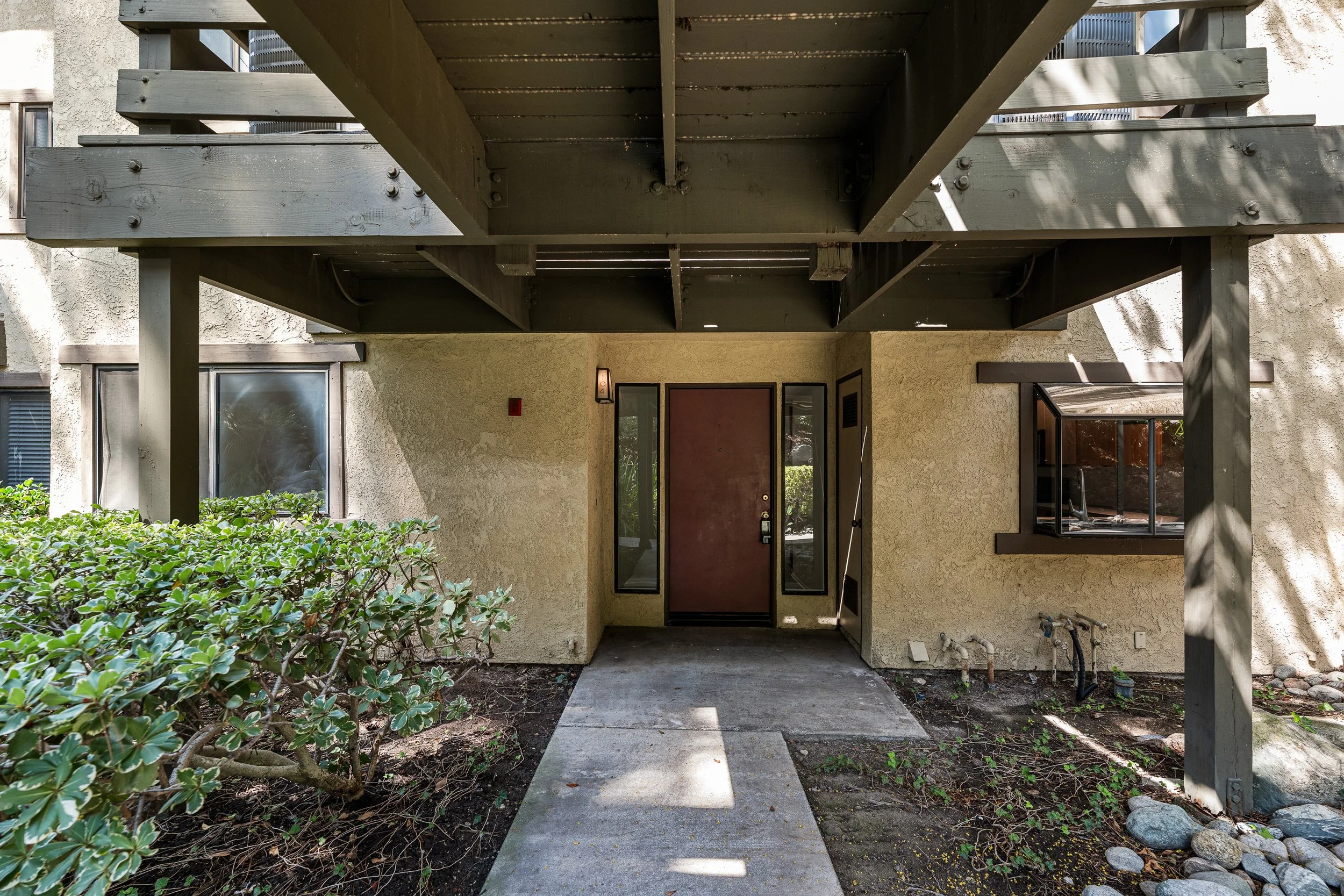
Listed by May Kunka of Compass in Pasadena
There isn't one required escrow length when buying a home in Pasadena. The closing date is negotiated between the buyer and seller and written into the purchase agreement. California DRE explains that the length of escrow is largely determined by the agreement between the parties. Financing, inspections, appraisal, title issues, documents, and other unexpected circumstances can all affect how quickly the transaction closes.
Your offer was accepted.
Congratulations!
And then I say:
"Okay, now we open escrow."
If you've never bought a house before, that can sound like we're about to enter some mysterious phase where everyone disappears for a month and eventually hands you keys.
Thankfully, that's not quite how it works.
A lot happens between:
"Your offer was accepted!"
and
"You officially own the house."
Here's what those next few weeks actually look like.
What Is Escrow?
Escrow is the period after the buyer and seller have agreed to the sale but before the purchase is completed.
A neutral escrow holder helps manage funds and documents and makes sure the conditions necessary to complete the transaction are satisfied.
California DRE explains that in Southern California, escrow is commonly handled by an independent escrow company. Escrow ultimately prepares the final closing statement showing the credits and debits associated with the transaction.
In simpler terms:
Escrow is where we get everything done.
How Long Is a Typical Escrow?
There isn't a universal answer.
You might see:
21 days.
30 days.
35 days.
45 days.
Or something completely different.
California DRE specifically says the length of escrow is largely determined by the agreement between the parties, with the number of days or target closing date established in the purchase contract and escrow instructions.
So if someone tells you:
"Escrow is always 30 days."
That's not correct.
Thirty days may be a common timeframe in many financed transactions, but it's something we negotiate.
Can We Close Faster Than 30 Days?
Potentially.
A shorter escrow may be possible if:
Your financing is well prepared.
The lender can meet the timeline.
The appraisal can be completed quickly.
The title is clear.
Inspections happen promptly.
The seller can move on time.
There aren't complicated repair or documentation issues.
A cash buyer may have even more flexibility because there isn't a mortgage underwriting process.
But faster isn't automatically better.
I don't want to promise the seller a 14-day closing just because it sounds impressive if your lender actually needs 25 days.
Does a Shorter Escrow Make My Offer Stronger?
Sometimes.
Imagine a seller has already moved into their next home.
They want their Pasadena property sold.
They're carrying two mortgages.
They receive two similar offers.
One buyer can close in 25 days.
The other needs 45.
The shorter closing may be attractive.
Now imagine a different seller who needs six weeks before they can move.
Suddenly the 45-day buyer might fit their situation better.
This is why I like talking to the listing agent before we write the offer.
What does the seller actually want?
The strongest offer isn't always the one with the fastest closing.
It's often the one that solves the seller's problem.
What Happens Right After My Offer Is Accepted?
Things start moving pretty quickly.
Escrow is opened.
Your earnest money deposit needs to be handled according to the contract.
Your lender gets the fully executed purchase agreement.
Inspections get scheduled.
Disclosures and reports are reviewed.
Title work begins.
Insurance should be investigated.
The lender starts moving the loan through underwriting.
If an appraisal is required, that gets ordered.
This is not the part of the transaction where I want you disappearing on vacation and ignoring your email for a week.
When Do We Do the Home Inspection?
Usually early.
Exactly when depends on the inspection period in your contract.
I like getting the general home inspection scheduled quickly because it may lead to additional questions.
Maybe the inspector recommends:
A sewer inspection.
Roof evaluation.
Foundation specialist.
Chimney inspection.
HVAC evaluation.
Plumber.
Electrician.
If we wait until the last minute to do the general inspection, we may not leave ourselves enough time to investigate whatever it uncovers.
What Happens During the Inspection Period?
This is where we learn as much as we reasonably can about the property.
We're reviewing:
The physical condition.
Seller disclosures.
Inspection reports.
Permit information where appropriate.
Title information.
HOA documents if applicable.
Other property-specific concerns.
Depending on the contract and what we discover, we may also be negotiating repairs, credits, or other issues with the seller.
The investigation period is one of the busiest parts of escrow.
What Is the Lender Doing During Escrow?
A lot.
If you're financing the purchase, the lender is working through the mortgage approval process.
That can include verifying:
Income.
Employment.
Assets.
Debts.
Credit.
Property information.
Insurance.
The appraisal.
Other underwriting requirements.
This is why I tell buyers:
Please don't make major financial changes during escrow without talking to your lender first.
Don't finance a new car because you got excited about having a garage.
Don't open a new credit card for furniture.
Don't move large amounts of money around without documentation.
And definitely don't quit your job because you're closing next week.
Your lender still has work to do.
When Does the Appraisal Happen?
If your lender requires an appraisal, it will generally happen during escrow.
The appraisal is primarily for the lender.
The appraiser evaluates the property and provides an opinion of value to help the lender determine whether the property provides adequate security for the loan.
This can become particularly important if you offered aggressively in a competitive situation.
If the appraisal comes in lower than the purchase price, we then look at the contract, your appraisal contingency if applicable, your financing, and the options available to you.
Can the Appraisal Delay Closing?
It can.
Maybe the appraisal gets ordered late.
Maybe scheduling takes longer than expected.
Maybe the report raises questions.
Maybe the lender requests additional information.
That's why the lender's ability to meet the proposed closing date matters before I put that date in the offer.
I don't want to learn on day 27 that the lender needed 35 days all along.
What Is Underwriting?
Underwriting is where the lender evaluates the loan and confirms that it meets the lender's requirements.
Buyers sometimes think:
"But I was already preapproved."
That's great.
Preapproval is important.
But a preapproval isn't the same as final loan approval for a specific property.
During escrow, the lender is evaluating both you and the actual transaction.
They may request updated bank statements.
Additional documentation.
Explanations of deposits.
Employment verification.
Insurance information.
Other records.
If they ask for something, get it to them quickly.
What Is Happening With Title?
The title company is also researching the property.
California DRE explains that the title company conducts a search to identify the property's ownership history and liens or encumbrances.
Maybe there's an old lien.
Maybe a loan that was paid years ago wasn't properly cleared from the record.
Maybe ownership is held in a trust.
Maybe there are easements affecting the property.
Most transactions don't turn into title nightmares.
But this work is one reason we don't simply exchange money and keys the day your offer is accepted.
What Happens With Homeowners Insurance?
Don't leave insurance until the end.
I want buyers investigating coverage early.
Your lender will generally need appropriate insurance in place before funding the loan.
If the property has characteristics that make insurance more difficult or expensive, I'd rather discover that early in escrow than two days before closing.
Get the quote.
Understand the coverage.
Make sure your lender has what they need.
When Do I Get My Final Loan Numbers?
For most covered mortgages, federal law requires your lender to provide a Closing Disclosure at least three business days before closing. The document contains the final loan terms, projected payments, and closing costs.
Don't just open it and look for:
"How much money do I wire?"
Review it.
Compare it with your Loan Estimate.
Look at the interest rate.
Loan amount.
Monthly payment.
Closing costs.
Credits.
Cash to close.
If something doesn't make sense, ask.
The CFPB specifically recommends using that three-day period to review the figures and resolve questions before closing.
Does Every Change Restart the Three-Day Closing Disclosure Period?
No.
This is another misconception.
Certain significant changes can require a new three-business-day review period, including specified changes involving the APR, loan product, or addition of a prepayment penalty.
But most corrected Closing Disclosures don't automatically restart the entire three-day waiting period.
Your lender should tell you if a change affects the closing timeline.
When Do I Do the Final Walk-Through?
Near closing.
The final walk-through isn't another full home inspection.
We're making sure the property is generally in the expected condition before you take ownership.
Did the seller move out?
Are the agreed items still there?
Is there unexpected new damage?
Were agreed repairs completed, if applicable?
Does something look materially different?
California DRE recommends that buyers and their agents conduct a final walk-through before closing.
I don't want the first time you see the house after inspections to be when you're standing there with your moving truck.
When Do I Send the Rest of My Money?
Escrow will provide instructions for the funds you need to close.
And this is where I need to make one very important point:
Wire fraud is real.
Never assume emailed wiring instructions are legitimate just because the email looks like it came from escrow.
Verify wiring instructions using a trusted phone number before sending money.
If anything changes unexpectedly, stop and verify.
Sending a six-figure wire is not the moment to be casual.
What Does "Loan Funded" Mean?
Toward the end of a financed transaction, your lender sends the loan proceeds needed for closing.
That's funding.
But:
Funded doesn't necessarily mean closed.
There are still final steps.
When Do I Actually Own the House?
California DRE explains that escrow closes when the required conditions have been met, the loan has funded where applicable, the necessary documents have been recorded, and the property and funds have legally changed hands.
That recording piece is important.
I don't hand you the keys simply because:
"The lender said they funded!"
We wait for confirmation that the transaction has actually closed.
Then I get to send the much more exciting message:
"We recorded!"
Now we're talking.
Why Would Escrow Get Delayed?
There are a lot of possibilities.
Financing.
Appraisal.
Insurance.
Title issues.
Repairs.
Missing signatures.
Late documents.
Buyer funds.
Seller moving issues.
HOA documents.
Unexpected property problems.
California DRE specifically notes that escrow can be delayed by loan approval and underwriting, unsigned documents, unexpected circumstances, or disputes between the parties.
Sometimes it's a major issue.
Sometimes we're missing one signature.
Real estate can be glamorous like that.
What If We Can't Close on the Date in the Contract?
We don't simply assume everyone is okay with it.
If a party needs additional time, we may need to request an extension and obtain agreement from the other side.
This is another reason communication matters.
If my lender tells me early:
"We may need two additional days."
I want to address that early.
I don't want to wait until closing day and announce:
"Surprise! We're not closing."
Can the Seller Charge Me for a Delay?
Potential consequences depend on the purchase agreement and circumstances.
That's why closing dates matter.
They're not just estimates we're casually aiming for.
If you think there may be a problem meeting a contractual deadline, tell your agent and lender immediately so the situation can be addressed.
Can I Close Early If Everything Is Ready?
Potentially, if both sides agree and the necessary pieces are in place.
But remember that the seller may have planned around the original closing date.
Maybe movers are scheduled.
Maybe they're purchasing another home.
Maybe they have a rent-back.
Closing early isn't automatically convenient for them.
Again:
We communicate.
What If the Seller Needs to Stay After Closing?
Then we may negotiate a seller possession or rent-back arrangement.
That means you can become the owner while the seller remains in possession for an agreed period.
This can make an offer more attractive to a seller who needs time to move or close on their replacement property.
But it also creates additional considerations involving possession, insurance, deposits, responsibilities, and timing.
It's something I want structured carefully rather than agreed to casually.
How Does Pasadena's Market Affect Escrow?
Pasadena remains competitive, but not every property is behaving the same way.
Over the three months ending August 2026, Redfin reports a Pasadena median sale price of about $1.23 million, with homes spending a median of 47 days on market. About 51.3% sold above list price during that period.
That means some buyers may still be competing heavily for desirable properties.
When we're writing an offer, the escrow timeline can become one piece of the overall strategy.
But I don't want to promise a closing date we can't realistically meet simply to make the offer look stronger.
What Can I Do to Help Escrow Go Smoothly?
Be responsive.
That's probably the simplest answer.
When your lender asks for something, send it.
When escrow sends paperwork, review it.
When I send disclosures, don't wait a week to open them.
Schedule inspections promptly.
Get your insurance quote.
Don't make unexplained financial moves.
Ask questions when something doesn't make sense.
A surprising number of closing problems can be avoided simply by staying ahead of the transaction.
Frequently Asked Questions
How long does escrow take when buying a home in Pasadena?
There is no mandatory escrow length. The closing date is negotiated between buyer and seller and included in the purchase agreement. California DRE says the length of escrow is largely determined by the parties' agreement.
Is 30 days a normal escrow?
Thirty days is a timeframe you may commonly see in financed Southern California transactions, but it isn't a legal requirement or automatic standard. The appropriate timeline depends on the buyer, seller, lender, property, and terms of the offer.
Can you close escrow in 21 days?
Potentially.
A buyer with strong financing preparation and a lender capable of meeting the deadline may be able to close more quickly. Cash transactions may also have more flexibility.
Don't promise a short escrow until the professionals involved confirm it's realistic.
What happens during escrow?
The buyer completes investigations, reviews disclosures, works through financing and appraisal where applicable, arranges insurance, reviews title information, prepares closing funds, and completes the final walk-through while escrow coordinates funds and documents necessary to close.
Can a home inspection delay escrow?
It can if the inspection leads to additional investigations, negotiations, or repairs.
That's one reason I like scheduling inspections early.
When do I get my Closing Disclosure?
For most covered mortgages, the lender must ensure you receive your Closing Disclosure at least three business days before closing.
When do I get the keys?
Typically, once the transaction has closed and recording has been confirmed, subject to any separate possession agreement with the seller.
So What's the Next Step?
When we're preparing an offer on a Pasadena home, I don't automatically type:
30-day escrow
because that's what everyone else does.
I want to know:
How quickly can your lender realistically close?
What does the seller want?
Are there inspections we're likely to need?
Is there an HOA?
Does the seller need extra time to move?
Would a shorter escrow strengthen your offer?
Would a longer escrow actually make the seller happier?
Then we choose a timeline that makes sense.
Once your offer is accepted, my job shifts pretty quickly from:
"Let's get you this house."
to:
"Let's get you through escrow."
I'll help keep track of inspections, disclosures, contractual deadlines, communication with the listing agent, appraisal, lender progress, escrow, and the final walk-through so we aren't discovering problems at the last minute.
California DRE describes escrow as the process that makes sure the conditions of the transaction are met before the funds and documents are transferred.
That's really what those few weeks are about.
It's not simply waiting for closing day.
We're using that time to make sure you're comfortable with the property, your financing is ready, the paperwork is in order, and everyone is prepared to complete the sale.
If you're thinking about buying a home in Pasadena, I'd be happy to walk you through the process from the first showing all the way through inspections, escrow, and finally getting those keys.