What Do I Have to Disclose When Selling My Home in Monterey Park?
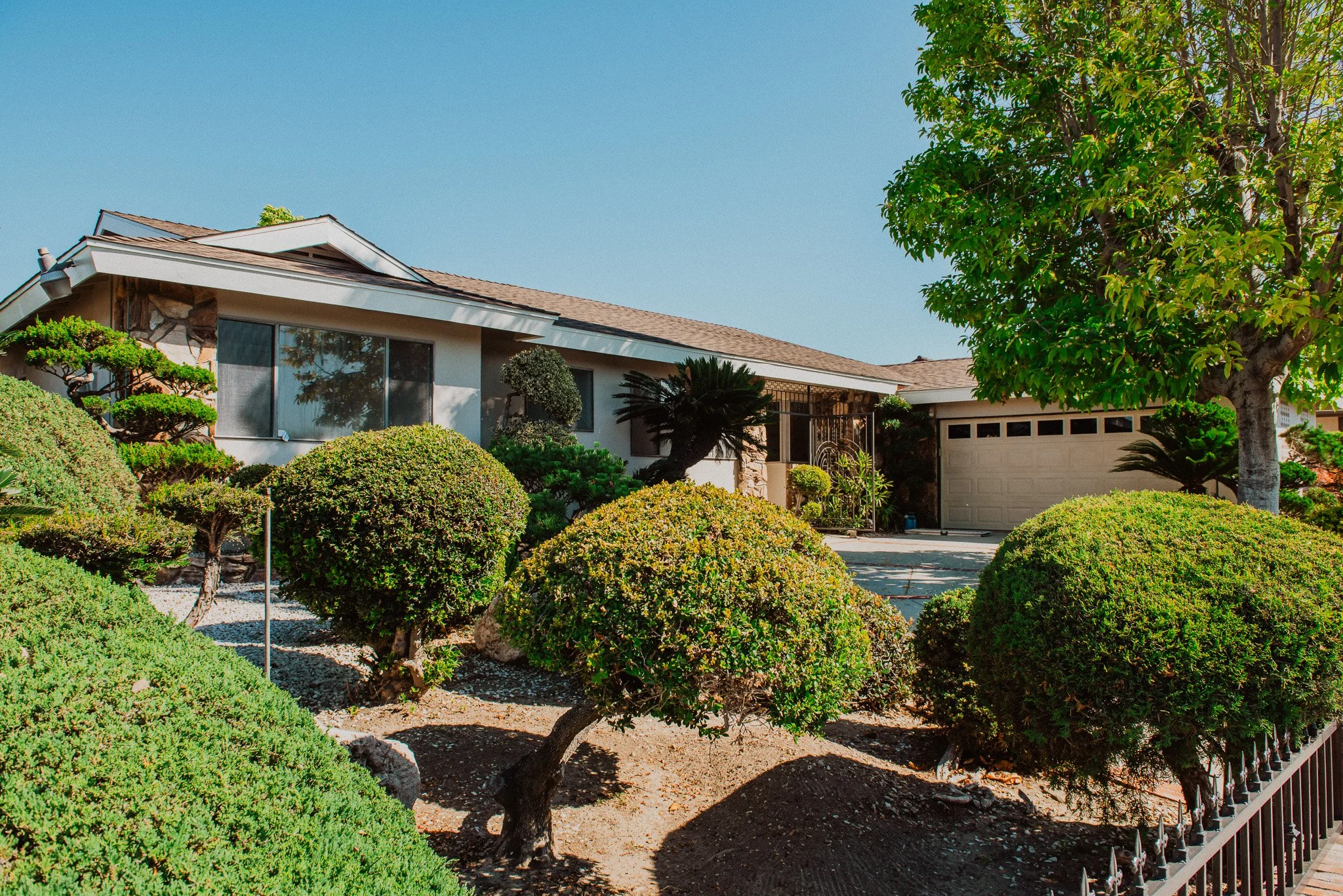
Listed by May Kunka of Compass in Monterey Park
California home sellers generally have significant disclosure obligations. Depending on the property and transaction, disclosures can address known defects, repairs, additions, water intrusion, neighborhood issues, insurance claims, environmental hazards, natural hazards, HOA matters, and other conditions that may affect the property's value or desirability. The Transfer Disclosure Statement is one of the major disclosures used in many residential sales, but it isn't necessarily the only disclosure you'll provide.
One of the questions I get from sellers is:
"Do I really need to tell the buyer about that?"
And my response is usually:
Let's talk about it.
Maybe the roof leaked seven years ago.
Maybe you fixed it.
Maybe the neighbor's tree fell into your yard.
Maybe you converted part of the garage.
Maybe there's a crack you've been staring at for 15 years.
Maybe the dishwasher only works if you push the button twice and whisper nice things to it.
California takes seller disclosures seriously.
And when I'm helping you sell, I'd much rather deal with a potential issue before closing than have a buyer discover something afterward and ask:
"Why didn't anyone tell me about this?"
What Is a Seller Disclosure?
A disclosure gives the buyer information about the property and certain facts or conditions that may affect their decision to purchase it.
California DRE explains that sellers and real estate agents must make disclosures necessary to avoid fraud, misrepresentation, or deceit. For many transfers involving residential properties of one to four units, California Civil Code also establishes specific disclosure requirements.
One of the primary documents buyers encounter is the:
Transfer Disclosure Statement, commonly called the TDS.
But that's only part of the disclosure package.
What Is the Transfer Disclosure Statement?
The TDS is a California disclosure form completed by the seller in many residential transactions.
California DRE describes it as covering the physical condition of the property, potential hazards or defects, special taxes and assessments, and other factors that may affect the home's value or desirability.
The form asks questions about the property and various conditions you're aware of.
This isn't something I want you completing in five minutes while waiting in line at Starbucks.
Read the questions.
Think about your ownership of the property.
Answer them carefully.
Do I Have to Know Everything That's Wrong With My House?
No.
You're not expected to magically know what's happening behind every wall.
The disclosure framework recognizes the distinction between what a seller actually knows and things a seller doesn't know.
The statutory disclosure language states that seller information is based on the seller's actual knowledge after reasonable efforts to obtain the information.
That's why there's an important difference between:
"I don't know."
and
"I know, but I'm hoping nobody notices."
Don't guess.
But don't intentionally hide something either.
What Types of Problems Should I Be Thinking About?
Every property is different, but I want sellers thinking broadly.
For example:
Have you had roof leaks?
Plumbing leaks?
Drainage problems?
Foundation issues?
Electrical problems?
Sewer problems?
Termites?
Mold or significant moisture?
Flooding?
Insurance claims?
Fire damage?
Major repairs?
Additions or remodels?
Boundary disputes?
Neighbor disputes?
Easements?
Unusual noise?
Issues with shared fences or retaining walls?
The question isn't simply:
"Is the house currently broken?"
Something from the property's history may still be relevant.
What If the Problem Was Already Fixed?
This is probably one of the biggest disclosure misconceptions.
A seller thinks:
"The roof leaked in 2022, but we repaired it. There's nothing to disclose."
Not necessarily.
The fact that something was repaired doesn't automatically make its history irrelevant.
Depending on the circumstances, I may want the buyer to know:
There was a leak.
It was investigated.
It was repaired.
Here's the invoice.
Here's who performed the work.
Here's when it happened.
That's often a much better story than having the buyer's inspector find evidence of old moisture and wondering what happened.
Repairs Aren't Necessarily Bad News
This is something I want sellers to understand.
You don't need to present your house as though:
Nothing has ever happened here in 40 years.
That's usually not believable anyway.
Homes need maintenance.
Things break.
Roofs leak.
Pipes fail.
Water heaters get replaced.
Termites happen.
What I care about is how the issue was handled.
If you had a problem and hired a qualified professional to fix it, keep the paperwork.
Invoices can be incredibly helpful.
What About Unpermitted Additions or Remodeling?
This deserves special attention in Monterey Park.
Maybe someone:
Enclosed a patio.
Converted part of the garage.
Added a bathroom.
Moved walls.
Built an addition.
Remodeled the kitchen.
Changed electrical or plumbing.
And you're not sure whether permits were obtained.
California's statutory Transfer Disclosure Statement specifically asks sellers about additions, structural modifications, or other alterations or repairs made without necessary permits.
So this isn't something I want to discover halfway through escrow.
How Can I Check Monterey Park Permit Records?
The City of Monterey Park provides online access to plan review, inspection tracking, inspection results, and records dating from October 1997 to the present.
For records before October 1997, the city says they can be viewed at the Building and Safety counter.
That's particularly useful with older Monterey Park homes where:
"The previous owner told us it was permitted."
is sometimes the only information a seller has.
We can investigate further.
Does a Permit Mean the Work Was Finaled?
Not necessarily.
This is another detail sellers can overlook.
A permit may have been issued, but we may also need to determine whether the work received its required inspections and final sign-off.
Monterey Park explains that additions and kitchen remodels can involve multiple trades and may require clearances from several city divisions before the permit receives final sign-off.
So I don't just want to know:
"Was there a permit?"
I may also want to know:
"What happened to that permit?"
What If the Unpermitted Work Was Done Before I Bought the House?
Tell me what you know.
You may not have performed the work.
You may not even know exactly when it happened.
But if you're aware that something may have been constructed or altered without required permits, that's information we need to evaluate carefully when preparing your disclosures.
Don't assume:
"I didn't do it, so it's not my problem."
Your disclosure obligations aren't limited to projects you personally completed.
What About Flipped Homes?
California has additional disclosure requirements that can apply when someone buys and quickly resells a single-family property.
DRE notes that for certain sellers who obtained title within the previous 18 months, California law requires disclosures concerning specified additions, structural modifications, alterations, or repairs performed by contractors. Depending on the work, contractor information and permit copies may also be required.
So if you bought, renovated, and are now reselling, the disclosure conversation can be different from someone who has lived in the property for 25 years.
Do I Have to Disclose Natural Hazards?
California also has Natural Hazard Disclosure requirements.
Depending on the property's location, this can include information concerning specified hazard areas such as:
Flood zones.
Fire hazard areas.
Earthquake fault zones.
Seismic hazard zones.
Other statutorily identified areas.
California has also updated the Natural Hazard Disclosure Statement to include whether a property is located within a high fire hazard severity zone, in addition to other required fire-area information.
In practice, a natural hazard disclosure company is often involved in preparing the report used in the transaction.
What About Lead-Based Paint?
If you're selling most residential housing built before 1978, federal lead-based paint disclosure rules may apply.
The EPA says sellers of most pre-1978 housing must disclose known information about lead-based paint and lead-based paint hazards and provide buyers with the federally approved lead-hazard information pamphlet.
This matters in Monterey Park because we have plenty of homes built before 1978.
And notice the wording:
Known information.
You're not automatically being asked to become an environmental scientist and start opening walls.
We need to follow the applicable disclosure requirements based on what you know and the type and age of property you're selling.
What If Someone Smoked in the House?
This is a newer California disclosure issue.
Legislation enacted in 2025 requires a seller of single-family residential property who knows of residue from, or a history of, tobacco or nicotine smoking on the property to disclose that knowledge to the buyer. California DRE included the change in its 2026 legislative update.
That's a good example of why I don't rely on an old disclosure checklist I printed ten years ago.
The rules change.
What About Water-Conserving Plumbing Fixtures?
California law also contains disclosure requirements involving water-conserving plumbing fixtures.
For single-family residential property subject to the applicable disclosure law, the seller must disclose whether the property includes noncompliant plumbing fixtures.
Again, this may not be the first thing that comes to mind when you're thinking:
"What do I have to tell the buyer?"
That's why the disclosure package is much more comprehensive than simply listing major defects.
Do I Have to Disclose HOA Information for a Condo?
If you're selling a condominium or another property in a common interest development, there's another layer of documents.
California DRE recently reminded sellers and agents that sellers in common interest developments are required to furnish buyers with specified association documents.
Those can include governing documents, financial information, assessments, certain notices, and, when requested, qualifying board meeting minutes. Depending on the development, exterior elevated element inspection information may also be part of the required documentation.
This is why I like ordering HOA documents early.
Waiting until the last minute can create unnecessary delays.
Do I Have to Disclose a Special Assessment?
Potential assessments and existing assessments can be extremely important to a buyer.
Imagine buying a condo and discovering shortly afterward that the HOA approved a major assessment before you purchased.
That's exactly the kind of information buyers are going to care about.
If you're selling a Monterey Park condo, I want to understand:
Current dues.
Existing assessments.
Potential upcoming assessments.
Reserve funding.
Insurance.
Litigation.
Major planned repairs.
The association documents help buyers evaluate those issues.
Does My Realtor Have Disclosure Responsibilities Too?
Yes.
California doesn't place everything entirely on the seller.
DRE explains that in applicable residential transactions, the buyer's real estate agent is responsible for conducting a visual inspection and disclosing readily observable defects.
Agents also have broader obligations regarding material facts and disclosure.
But here's the important part:
Your Realtor hasn't lived in your house for 20 years.
I don't know that the upstairs shower leaked in 2014 unless you tell me.
I don't know the neighbor complained about the retaining wall.
I don't know what happened during that kitchen remodel.
Your knowledge matters.
Should I Give the Buyer Old Inspection Reports?
This is something we should discuss if you have them.
The statutory disclosure framework specifically contemplates existing inspection reports in the seller's possession and provides a place for identifying reports that have been completed regarding the property.
Don't throw away old paperwork because you assume:
"Nobody needs this anymore."
Show me what you have.
We can determine what's relevant to the transaction.
Can I Just Say "Buyer to Investigate"?
That isn't a magic phrase that erases a seller's disclosure obligations.
Yes, buyers should conduct their own inspections and investigations.
I absolutely encourage them to.
But buyer due diligence and seller disclosure are two different things.
A buyer's inspection doesn't give a seller permission to intentionally withhold known material information.
Should I Fix a Problem Before Disclosing It?
Those are separate questions.
Maybe we should repair it.
Maybe we should disclose it and sell as-is.
Maybe we should obtain an estimate.
Maybe we should have a specialist evaluate it first.
But fixing something doesn't necessarily mean we pretend it never existed.
This is where planning before listing becomes really valuable.
What Happens If I Forget Something?
If you remember something important after completing your disclosures, tell me.
I'd rather address it.
Trying to hide it because:
"We already filled out the forms."
isn't the solution.
Real estate transactions produce a lot of paperwork, but the goal isn't merely checking boxes.
It's getting accurate information to the buyer.
What Happens If I Don't Disclose a Known Problem?
This is where things can become serious.
California law provides that failure to comply with certain statutory disclosure duties doesn't automatically invalidate the transfer, but a person who willfully or negligently violates those duties may be liable for actual damages suffered by the buyer.
And disclosure obligations can also arise from broader rules against fraud, misrepresentation, and deceit.
That's why my advice isn't:
"Disclose absolutely everything imaginable and hope for the best."
It's:
Take the forms seriously, answer truthfully, and ask questions when you're unsure.
If we run into a complicated legal issue, that's when an attorney may need to advise you.
Will Disclosing Problems Scare Buyers Away?
Sometimes sellers worry that disclosures make their house look bad.
But here's the alternative:
The buyer discovers something during inspection.
Or after closing.
And then wonders why you never mentioned it.
I'd much rather present a known issue clearly and explain what happened.
For example:
There was a plumbing leak in 2021. The damaged pipe was replaced by a licensed plumber. Here's the invoice. There have been no known problems since.
That's useful information.
It tells a story.
Good Records Make Selling Easier
This is why I tell homeowners to keep records.
Save:
Invoices.
Permits.
Warranties.
Inspection reports.
Roof paperwork.
Termite reports.
Foundation reports.
Insurance claim information.
Receipts for major repairs.
You may not need every piece of paper.
But when we sell, having documentation can make my job much easier.
Frequently Asked Questions
What do I have to disclose when selling a house in Monterey Park?
California sellers may have to disclose known property conditions, defects, alterations, hazards, assessments, and other facts that could affect the property's value or desirability. The exact disclosures depend on the property and transaction.
Do I have to disclose a problem that was already repaired?
Potentially, yes.
The fact that an issue has been repaired doesn't necessarily mean its history is irrelevant. When in doubt, discuss the issue with your real estate professional and obtain legal advice if necessary.
Do I have to disclose unpermitted work?
California's statutory Transfer Disclosure Statement asks about additions, structural modifications, alterations, and repairs made without necessary permits.
Monterey Park provides online permit and inspection records from October 1997 forward, with older records available through the Building and Safety counter.
Do I have to disclose something the previous owner did?
Your disclosures aren't limited only to things you personally did.
If you're aware of a condition or issue involving the property, we need to determine how it should be addressed regardless of who caused it.
Do I have to disclose lead paint?
Federal rules generally require sellers of most pre-1978 residential housing to disclose known lead-based paint and lead-based paint hazards and provide buyers with required lead information.
Does selling a home as-is mean I don't have to disclose problems?
No.
An as-is sale and seller disclosure obligations are separate issues. California DRE emphasizes that sellers and agents still have disclosure obligations necessary to avoid fraud, misrepresentation, or deceit.
Should I disclose something if I'm not sure whether it's important?
Don't guess and don't hide it.
Bring it to your Realtor's attention. Depending on the issue, we may need additional information or advice from an appropriate professional.
So What's the Next Step?
If you're thinking about selling your Monterey Park home, one of the things I like to do before we go on the market is start gathering information.
What improvements have you made?
Were permits pulled?
Do you have invoices?
Any roof leaks?
Plumbing issues?
Insurance claims?
Termite work?
Additions?
Remodeling?
Old inspection reports?
HOA assessments?
Anything you've been wondering:
"Do I have to tell the buyer about this?"
Tell me.
I'd rather know before we list.
For Monterey Park properties, we can also look into city permit records when something about an addition or remodel isn't clear. The city's online records currently go back to October 1997, while older records can be researched through Building and Safety.
Then we can decide whether there are issues we want to investigate, repair, document, or simply disclose before buyers start walking through the door.
After nearly 20 years helping homeowners throughout Monterey Park and the San Gabriel Valley, I've learned that trying to make a house look like it has never had a problem isn't the goal.
Homes have histories.
The goal is to understand yours, prepare for the questions buyers are likely to ask, and make the transaction as transparent and smooth as possible.
If you're considering selling your Monterey Park home and aren't sure what needs to be disclosed, I'd be happy to walk through the property with you, review what you know about its history, and help you start preparing before the home goes on the market.